Key Points:
- Shipping traffic through the Strait of Hormuz jumped from 25 ships to 54 ships in just one week.
- Trade linked to Iran led to a massive increase in traffic despite the strict United States restrictions.
- An Abu Dhabi gas carrier entered the region with its tracking system completely turned off.
- Nine inbound and 10 outbound vessels crossed the narrow shipping lane on Monday alone.
Shipping traffic through the Strait of Hormuz rebounded heavily last week. The British shipping industry daily Lloyd’s List reported on Tuesday that trade linked to Iran caused this sudden increase. Ships continue to move goods in and out of the region despite strict United States restrictions. Washington actively tries to punish any commercial vessels that visit Iranian ports, but the new data shows that shipping companies still take the risk.
The sheer number of ships crossing the narrow waterway doubled in a matter of days. Maritime tracking systems recorded exactly 54 ships passing through the Strait of Hormuz between May 11 and May 17. This number represents a massive jump over the previous week, when only 25 ships made the dangerous journey. The sudden spike in traffic caught the attention of global trade experts who monitor the region for signs of economic shifts.
Lloyd’s List explained that a major surge in trade with Iran caused the recent traffic boom. Iranian merchants continue to export goods and import essential supplies, bypassing the heavy economic barriers set up by foreign governments. United States officials regularly warn global shipping firms to avoid Iranian ports. If a shipping company violates these rules, the United States government can block its ships from entering American waters. However, the high profits in the Middle East often convince ship captains to ignore these strict warnings.
London-based maritime analytics company Windward provided even more detailed numbers about the daily traffic. The company uses advanced satellite technology to track ship movements across the globe. Windward data showed that exactly 19 vessels navigated the Strait of Hormuz on Monday alone. This daily group included 9 inbound ships entering the Persian Gulf and 10 outbound ships leaving the region.
The inbound traffic group mainly consisted of heavy cargo vessels. These ships bring food, raw materials, and consumer goods to the Middle East. According to the maritime data, these incoming ships flew the national flags of several different countries, including India and Sri Lanka. Ships often fly flags from these nations to maintain a neutral status while operating in highly tense military zones.
Meanwhile, the outbound group carried goods away from the Gulf to international markets. The tracking system identified 1 large tanker and 9 regular cargo ships leaving the area. Of these outbound vessels, exactly 5 proudly flew the Iranian national flag. These domestic ships handle a large portion of Iran’s regional trade, carrying local products to neighboring countries across the Arabian Sea.
The latest maritime report also highlighted some suspicious behavior by a major energy company. An expensive liquefied natural gas carrier belonging to the Abu Dhabi National Oil Company entered Gulf waters in complete secrecy. The captain of the gas carrier intentionally turned off the ship’s automatic identification system. Every commercial ship carries this standard tracking device to broadcast its exact location to other vessels and coastal authorities.
When a captain turns off the tracking system, the maritime industry calls it going dark. Ships usually go dark to hide their final destination or to conduct secret cargo transfers at sea. Security experts worry when massive gas carriers turn off their location beacons because it creates a serious collision risk in the busy waterway. The Abu Dhabi company did not immediately explain why its expensive ship tried to hide its movements in the Gulf.
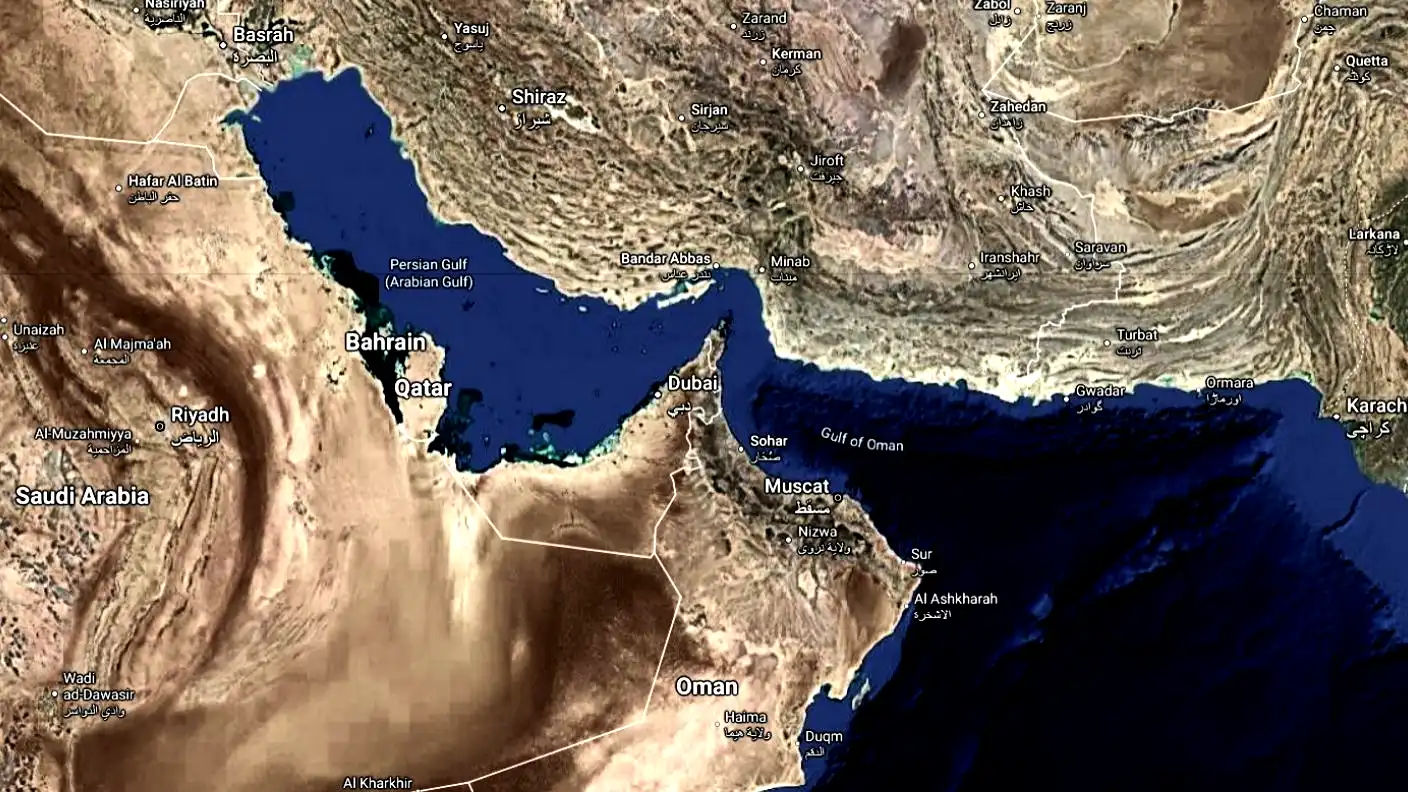
The Strait of Hormuz remains one of the most important shipping lanes on the entire planet. The narrow channel connects the oil-rich Persian Gulf to the open ocean. Millions of barrels of oil and thousands of tons of cargo pass through this tiny chokepoint every single day. Any disruption in this specific area can instantly cause global energy prices to spike and trigger massive supply chain delays.
Because the Strait holds so much power over the global economy, the United States Navy constantly patrols the surrounding waters. American warships watch for any signs of trouble and monitor the commercial ships traveling to and from Iran. The ongoing tension forces commercial shipping companies to pay extremely high insurance rates just to enter the water.
Despite the high cost of insurance and the threat of United States sanctions, the recent numbers prove that commerce always finds a way. The jump from 25 to 54 weekly shipments shows that regional demand outweighs the political risks. Global shipping analysts expect this high volume of traffic to continue as long as merchants need to move goods across the Middle East.
Companies like Windward and Lloyd’s List will keep watching the water. They provide essential data that helps the rest of the world understand the real situation on the ground. As more ships turn off their trackers and brave the restricted waters, the daily maritime reports become the only reliable way to measure the true health of the regional economy.