Key Points:
- Tesla informed Senator Ed Markey that human workers sometimes take direct physical control of its autonomous robotaxis.
- Remote operators can intervene when a car travels at 2 mph or less and can drive it at speeds up to 10 mph.
- This approach differs from rivals like Waymo, which uses humans only for navigation guidance rather than for direct steering.
- The company launched its robotaxi service in Austin in June 2025 and is currently testing fully driverless rides.
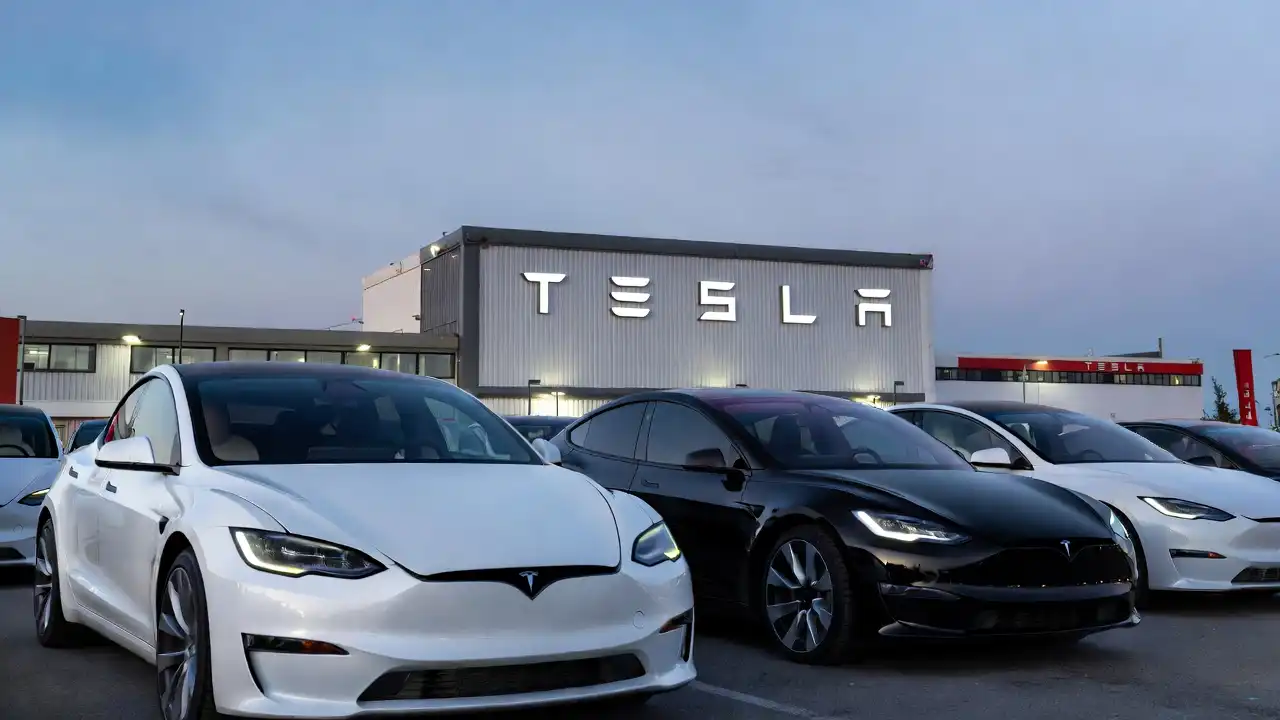
Tesla recently admitted a surprising detail about its autonomous vehicle program. The electric car maker told lawmakers that human operators sometimes take direct remote control of its robotaxis. This revelation came in a formal letter sent directly to Senator Ed Markey. The news highlights how much the company still relies on human intervention to keep its self-driving cars moving safely on public roads.
Karen Steakley, the director of public policy and business development at Tesla, wrote the detailed letter to the senator. She explained that the company uses remote human drivers as a strict redundancy measure. When the robotaxi software gets completely stuck and exhausts all other options, human workers step in. Steakley described this direct vehicle control as the absolute final escalation maneuver.
The human operators work from control centers located in Austin, Texas, and Palo Alto, California. They do not just take over at any time. The system authorizes these workers to assume control only when the robotaxi is crawling at 2 mph or less. Once the human takes the digital wheel, they can drive the car at a maximum speed of 10 mph. This slow-speed intervention helps the company quickly move a stuck vehicle out of a compromising or dangerous position on the road.
This direct driving approach sets Tesla apart from other major players in the self-driving industry. Competing companies certainly use human operators, but they give them very different jobs. For example, Waymo operates a system it calls fleet response. When a Waymo vehicle encounters a confusing construction zone or a tricky intersection, the car calls a human worker for help. The human looks at the live camera feeds and answers questions to give the software better context.
Waymo workers, however, never actually steer the car. The autonomous software still does all the physical driving. Most self-driving car companies avoid direct remote operation due to serious technical limitations. A slight network delay, known as latency, can cause a remote driver to brake too late. Human operators also only see what the vehicle cameras show them. This limited view severely reduces their situational awareness compared to sitting in a real driver’s seat.
Senator Markey has actively pushed 7 different robotaxi companies to explain exactly how they use human workers. He wants full transparency so the public understands the true capabilities of these modern vehicles. While companies want to project an image of perfect artificial intelligence, the letters show that humans remain a core part of their daily operations.
Tesla has always chosen a very different path for its self-driving technology. While competitors spend heavily on radar and expensive laser sensors, Tesla relies exclusively on standard cameras. The company feeds these camera images into its Full Self Driving software to navigate city streets. This unique approach attracts both heavy praise and intense criticism from industry experts.
The company faced several hurdles regarding the safety of this camera-only system. A series of high-profile crashes involving the Full Self Driving software caught the attention of federal regulators. The United States National Highway Traffic Safety Administration launched a formal probe into the technology in October 2025. Investigators want to know exactly how the software behaves right before a collision occurs.
Despite regulatory scrutiny, Tesla continues to advance its autonomous program. The company officially launched its highly anticipated robotaxi service in Austin, Texas, back in June 2025. During the initial rollout, the company kept human safety drivers sitting behind the steering wheel just in case an emergency happened.
Now, Tesla actively tests rides without anyone sitting in the driver’s seat in that same Austin area. Moving to empty cars explains exactly why the company needs a remote backup plan. If an empty robotaxi gets stuck in a busy intersection, the company needs those remote workers to log in and steer the car to safety at 10 mph.