

Key Points:
- Tesla officially launched its new robotaxi service in both Dallas and Houston.
- The company posted videos showing its Model Y SUVs operating entirely without human drivers in the front seats.
- CEO Elon Musk pivoted Tesla’s corporate focus away from traditional electric vehicles toward artificial intelligence and robotics.
- The success of the robotaxi program and full self-driving software heavily supports Tesla’s massive $1.3 trillion valuation.
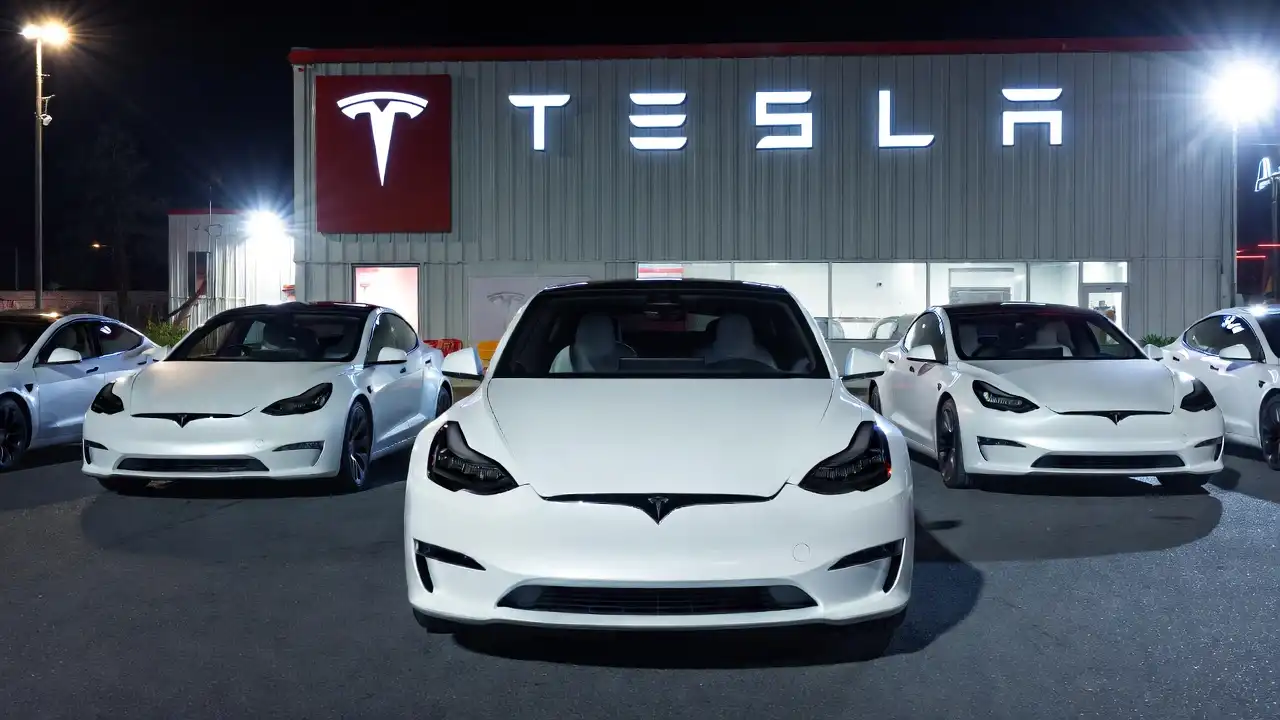
Tesla is bringing its driverless future to two more major American cities. The famous electric vehicle maker announced on Saturday that it is officially rolling out its highly anticipated robotaxis in Dallas and Houston. This massive geographic expansion marks the next logical step for the company’s nascent ride-hailing service, which first launched in Austin, Texas, late last year.
The company used social media to break the news to the public. Tesla’s official robotaxi account on the X platform announced the new launch and posted two impressive videos for users to watch. The footage clearly showed several of Tesla’s best-selling Model Y SUVs driving themselves through the busy streets of Dallas and Houston. Most importantly, the videos showed the cars running completely autonomously, with absolutely no human driver or safety monitor sitting in the front seats.
To help new customers, the company posted two detailed map images outlining the exact service boundaries where the cars will operate. However, Tesla kept many of the vital business details completely secret. The company did not disclose the total fleet size operating in either city, and it refused to share any information regarding passenger pricing. CEO Elon Musk quickly reposted the official announcement on his personal X account, encouraging his millions of followers to try the new Tesla Robotaxi service when visiting Dallas and Houston.
Tesla’s aggressive expansion comes at a critical time for the broader autonomous driving industry. The entire robotaxi business has recently regained significant momentum as other major tech giants have joined the race. Alphabet’s famous Waymo division and Amazon’s massive Zoox project are both currently accelerating their national expansions. Musk knows he must move fast if he wants to dominate the lucrative ride-hailing market before his wealthy competitors steal his potential customers.
Expanding the robotaxi service is essential to the company’s long-term survival. The success of these driverless cars relies entirely on the wider public adoption of Tesla’s highly controversial full self-driving software. This specific artificial intelligence software underpins the entire robotaxi technology. Musk recently pivoted the company’s entire corporate focus away from building traditional electric vehicles, shifting massive amounts of money and engineering talent directly into artificial intelligence and advanced robotics.
Wall Street investors are watching this pivot very closely. Right now, a massive portion of the company’s staggering $1.3 trillion financial valuation hinges almost entirely on Musk winning this massive technological bet. If the robotaxis fail or the software proves too dangerous for public roads, the company’s stock price could easily collapse.
Tesla took a very cautious approach when it first tested the new technology. The company originally deployed a very small group of self-driving taxis in a highly restricted area of Austin. During those early tests, the company required human safety monitors to sit inside the vehicles and take over the steering wheel if the computer made a mistake. Over time, as artificial intelligence improved and gathered more real-world driving data, the company gradually expanded its service area and eventually began removing human safety monitors.
The company also tested different business models before launching the current robotaxi program. Last year, Tesla started a more traditional ride-hailing service in the busy San Francisco Bay Area to learn exactly how customers interact with the vehicles.
Musk originally promised the public that he would expand the robotaxi service incredibly fast across the entire United States. However, building reliable artificial intelligence proved much harder than he expected. Musk actually missed several of his own earlier public predictions, famously promising that his robotaxis would operate widely in multiple major US metro areas by the end of 2025. While he missed that specific deadline, the successful launch in Dallas and Houston proves that the ambitious billionaire is finally turning his driverless vision into a daily reality for thousands of Texans.






