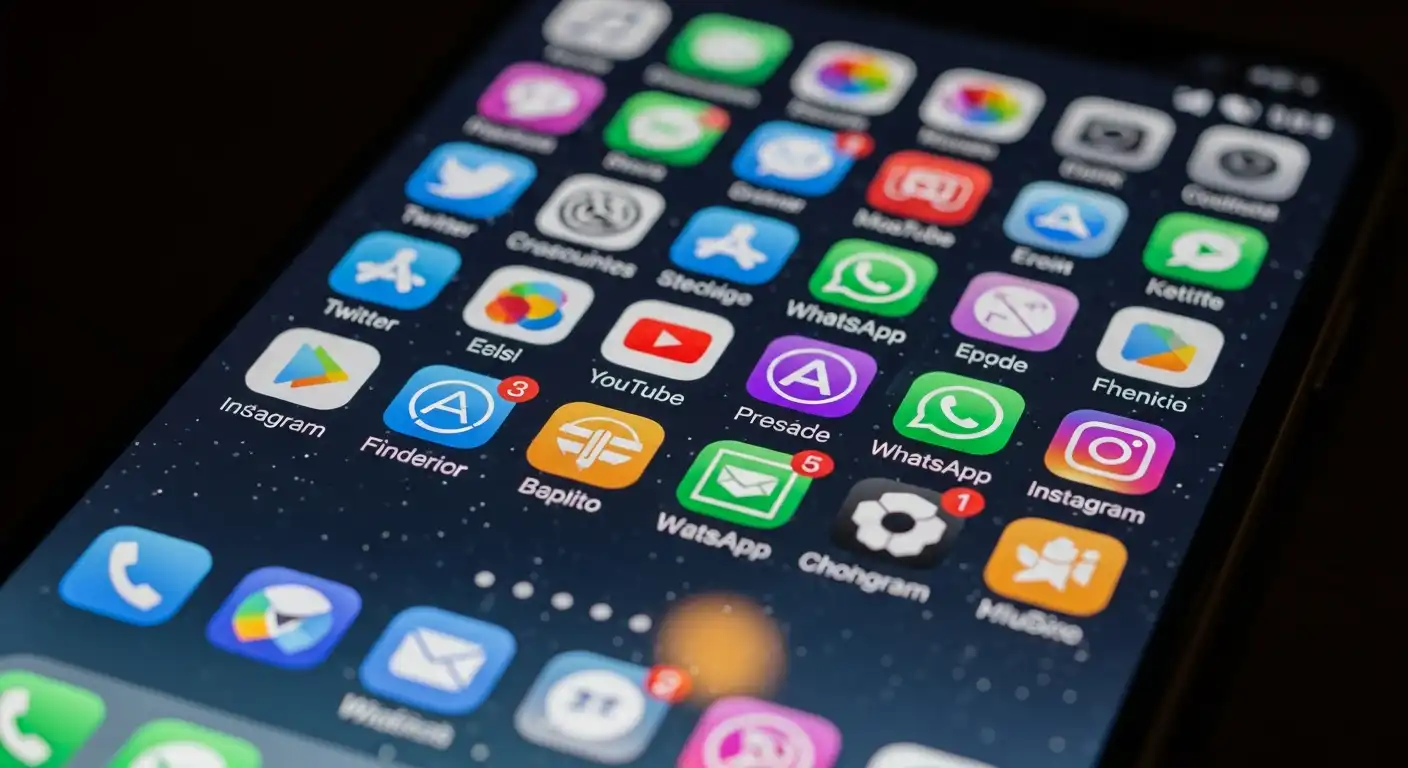
Do you remember what it was like to download software before the App Store? It was the Wild West. You’d navigate a sketchy website, click a download link, and pray you weren’t installing a virus that would turn your computer into a brick. Then, in 2008, Apple introduced the App Store, and it was a revolution. It was a clean, safe, and curated garden where you could download amazing new tools with a single tap. The rules were simple and there to protect us. But over the safe garden began to feel more like a fortress with very high walls.
The Age of the Benevolent Dictator
At first, the benevolent dictator of its new kingdom. They would review every app to make sure it wasn’t malicious, that it didn’t endanger, and that it didn’t harm. This was for users who were tired of the chaos of the open internet. For developers, it was a simple and powerful bargain: follow the rules, and in exchange, you get access to a massive, global audience that trusts the platform. It was a golden age of creativity, and the rules were the foundation of that trust.
When the Garden Walls Got Taller
The first sign that the relationship was changing was the money. The deal was that Apple would take a 30% cut of all sales. At first, this felt like a fair, credible distribution and payment processing system. But as the App Store became the only game in town for reaching a billion iPhone users, that 30% started to feel less like a commission and more like a tax. The rules also became more complex, often in ways that benefited Apple’s own apps and services over competitors’. The walls of the competitors’ higher, and it was starting to feel like they were designed to keep developers in, not just to keep bad actors out.
The Rebellion Begins
The tension finally boiled over into a full-blown public rebellion, with the game Fortnite as its symbol. The developer, Epic Games, challenged Apple’s rule that all payments must go through its system. It was a declaration of war against the 30% tax and Apple’s total control. This was the moment the conversation went mainstream. Suddenly, everyone was talking about whether one company should have the power to serve as the sole gatekeeper to the world’s most important digital marketplace. The benevolent dictator is many as a monopolist.
The Government Knocks on the Gate
This developer rebellion caught the attention of governments worldwide. Regulators started to expand worldwide. In the European Union, this led to the Digital Markets Act (DMA), a landmark piece of legislation that is forcing a fundamental change in the App Store’s evolution. The law basically told Apple, “You have to open the gates.” For the first time, Apple is legally required to allow things it fought against for 15 years, such as alternative app stores and different payment systems. Apple’s choices are no longer driving evolution; they are now driven by legal force.
A New, Messier Chapter
The evolution of App Store policies is a story of a brilliant idea that became a victim of its own success. A system designed to create trust and safety grew so powerful that it began to stifle competition and choice. The next chapter, forced by developers and regulators, will be messier and more complicated. The beautiful simplicity of the original safe garden is gone forever, replaced by a new landscape of competing interests and legally mandated openness. The evolution isn’t over; it’s just entered its most interesting phase yet.