

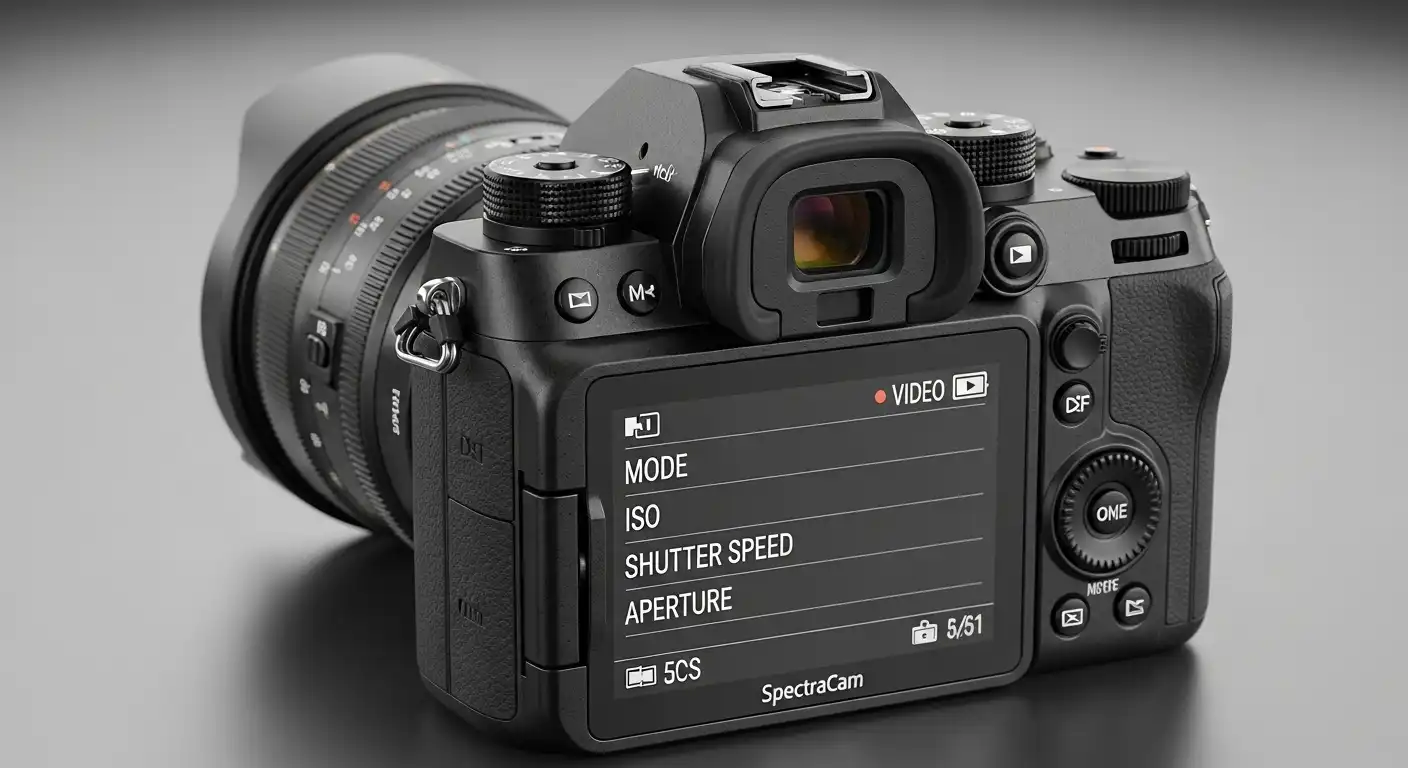
For over a century, the camera was a kind of magic box. It was a purely mechanical and chemical device, a dark chamber that trapped a fleeting moment of light on a delicate piece of film. Taking a good picture required skill, patience, and a little bit of luck. You wouldn’t know if you’d captured the moment until days or weeks later, when you finally got your photos back from the developer. That magic box has since evolved into something our ancestors would find indistinguishable from sorcery.
The First Revolution: The Digital Sensor
The first great leap was the death of film. The invention of the digital sensor—the CCD and later the CMOS sensor—was a revolution that changed everything. Suddenly, the image was no longer a chemical ghost trapped on a piece of plastic; it was a grid of numbers, a piece of pure data. This had two profound effects. First, it gave us instant gratification. The “click… and wait” of the film era was replaced by the “click… and see” of the digital screen. Second, it made photography virtually free. Without the cost of film and developing, we were free to experiment, to take a hundred pictures just to get one perfect shot. Photography was democratized.
The Supercomputer in Your Pocket
For a while, the digital camera evolved along a predictable path: more megapixels, bigger sensors, better lenses. But the next revolution wasn’t about the hardware you could see; it was about the software you couldn’t. This was the birth of “computational photography,” and its home was the smartphone. A traditional camera is a dumb tool; it just captures the light that hits the sensor. The camera in your smartphone is a supercomputer. When you press the shutter button, it’s not taking one picture; it’s taking a dozen.
The Magic of Computational Photography
That tiny lens and sensor on your phone should, by the laws of physics, take a terrible picture. The reason it doesn’t is computational magic. It takes multiple images at different exposures and instantly merges them to create a perfectly lit photo (HDR). It detects that your hand is shaking and digitally stabilizes the image. In “portrait mode,” it uses multiple lenses and AI to create a sophisticated depth map, artfully blurring the background like a professional camera. It is no longer just capturing a moment; it is constructing a perfect version of that moment.
The Camera That Sees in the Dark
The most stunning example of this new power is night mode. For a hundred years, taking a picture in the dark was a blurry, grainy mess without a tripod and a long exposure. Today, you can take out your phone in near-total darkness, hold it steady for a few seconds, and it will produce a bright, clear, and colorful image. This is a feat that seems to break the laws of exposure,f long and short exposures, using AI to align them perfectly, and then intelligently “painting” a picture that is brighter and clearer than what your own eyes can see.
From Capturing Reality to Creating It
This is the final, most profound step in the camera’s evolution. The camera is no longer just a device for capturing reality. It is now a device for interpreting and creating it. It is a partnership between optics and algorithms, a magic box now powered not by chemicals but by artificial intelligence that can see the world better than we can. It’s an incredible journey, and it has transformed a simple tool for preserving memories into one of the most powerful creative devices ever invented.






