Key Points:
- The ongoing conflict with Iran pushed global oil prices to $103 a barrel, sending desperate nations to China for clean energy alternatives.
- China exported a massive $243 billion in clean technology goods over the past year, cementing its grip on the global renewables market.
- While the United States relies on record fossil fuel exports to stabilize markets, China champions solar panels and electric vehicles.
- Chinese solar panel shipments hit a record 68 gigawatts in March, while electric and hybrid vehicles now make up 53 percent of its auto exports.
President Donald Trump traveled to Beijing this week to discuss trade with Chinese leaders. He told reporters he has the situation with Iran completely under control. However, he ignored a glaring truth during his public statements. The 10-week war between the United States and Iran caused massive panic in global oil markets, and this chaos practically serves as a giant advertisement for Chinese clean energy.
Global oil prices currently hover around $103 a barrel. The ongoing conflict forced oil tankers to stop transiting the Strait of Hormuz, effectively shutting down a crucial energy chokepoint. Desperate countries now scramble to find alternatives to expensive and unpredictable fossil fuels. China gladly stepped up to sell them electric vehicles, solar panels, and heavy-duty batteries.
The two massive economies offer completely different solutions to the worst energy crisis in decades. The United States provides a quick fix by selling record amounts of crude oil and liquid fuel to countries facing shortages. Meanwhile, China offers long-term green technology. Energy experts warn that the Chinese strategy slowly chips away at American energy dominance.
Chinese clean energy companies experienced massive growth even before the United States and Israel attacked Iran. Over the 12 months leading up to March, China exported $243 billion worth of green technology goods. The outbreak of war simply poured fuel on this booming industry as nations realized they needed permanent energy independence.
Export numbers for Chinese vehicles highlight this dramatic shift. Last month, electric and hybrid cars jumped to 53 percent of all Chinese automobile exports. This marks a 100 percent increase from the previous year. Strict American tariffs keep these cars out of the United States, so Chinese companies ship them directly to eager buyers in Asia and Europe.
The Chinese solar industry also posted record-breaking numbers. In March alone, China shipped out 68 gigawatts of solar panels, doubling its export volume from February. Fifty countries set new records for buying Chinese solar technology that month. At the same time, Chinese battery exports jumped 44 percent.
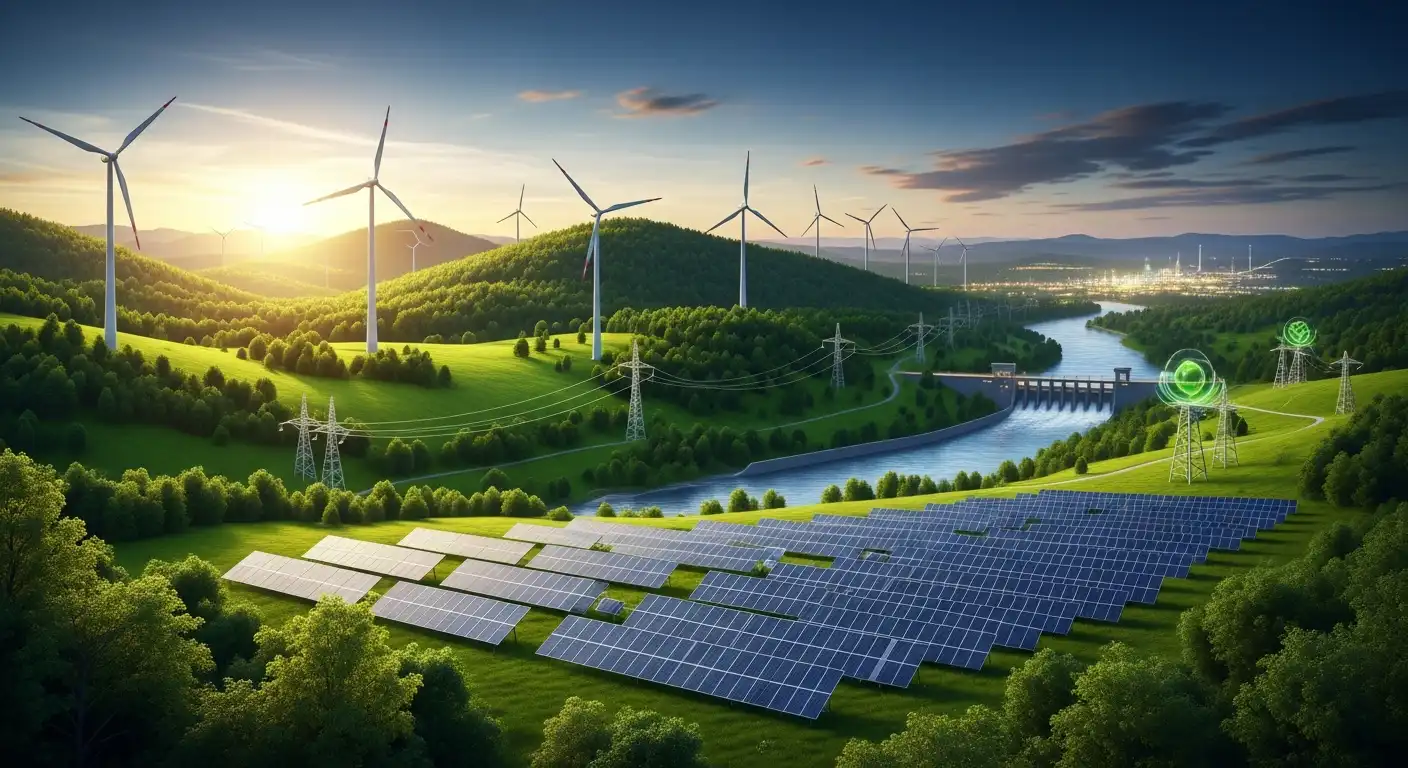
Wind energy companies see the same surge in demand. Orders for Chinese wind turbines skyrocketed from 6.9 gigawatts in 2023 to 14.3 gigawatts last year. During the first quarter of 2026, exports of wind turbines and related parts jumped another 45 percent.
President Trump frequently mocks renewable energy technology. Before the war began, he attended the World Economic Forum in Davos and claimed China lacked actual wind farms. The hard data tells a different story. China installed roughly 50 percent of all new global wind and solar capacity in 2025. This massive renewable grid helps protect the Chinese economy from the high oil prices caused by the war.
The White House strongly defends its current energy policy. Spokesperson Taylor Rogers noted that the United States stabilizes the free world by producing and exporting more oil and gas than any other country. American fuel ships currently line up in the Gulf to deliver relief. However, industry insiders worry the Trump administration might restrict these exports if American voters complain about rising domestic gas prices before the next election.
Many nations now view China as a reliable partner during global emergencies. China provides immediate help by sending jet fuel and liquefied natural gas to struggling Asian countries. Some of these countries face such severe fuel shortages that they recently forced citizens to work from home and implemented four-day workweeks. China built massive oil reserves that now exceed American stockpiles, allowing Beijing to share resources during this crisis.
Western leaders clearly notice China’s growing power in the energy sector. In January, Canadian Prime Minister Mark Carney signed a major trade agreement allowing the import of Chinese electric vehicles in exchange for agricultural tariff relief. Countries want to stop relying on physical fuel deposits and start relying on technology they can install at home.
Despite China’s massive momentum, the United States still holds powerful leverage. The Trump administration recently imposed strict sanctions on Chinese refineries that process 90 percent of Iran’s crude oil exports. Furthermore, China lacks the diplomatic experience to negotiate a real peace treaty in the Middle East. Countries will happily buy cheap solar panels from Beijing, but they still depend entirely on Washington for global military security.