The first “portable” computers were a joke by modern standards. They were the size of a suitcase, weighed as much as a small child, and had a tiny, monochrome screen. They were an amazing feat of engineering for their time, but they were not objects of desire. They were tools, pure and simple. The story of the laptop’s design is a fascinating journey from that utilitarian brick to the sleek, impossibly thin slabs of metal and glass we have today—a journey that is about much more than just getting smaller.
The Age of the Black Plastic Box
For a long time, the laptop’s design was dictated entirely by its internal components. The service was simply a box built around the motherboard, the spinning hard drive, and the bulky CRT-based screen. This was the era of the chunky, black or beige plastic laptop. There was very little thought given to aesthetics. The goal was to make it functional and, if possible, not too heavy. The most exciting design feature of this era was the introduction of the built-in trackpad. This small but revolutionary stepntethered us from the tyranny of the travel mouse.
The First Great Leap: Color and Curves
The first real shift in laptop design came when companies, led by Apple’s iBook, realized that a laptop could be a personal expression. Suddenly, we had color. We had curves. The laptop was no longer just a boring business tool; it was a fashion accessory. This was a profound psychological shift. It was the moment we started to care not just about what our laptops could do, but how they made us feel. The design was no longer just about the function; it was about the form.
The ‘Thin and Light’ Revolution
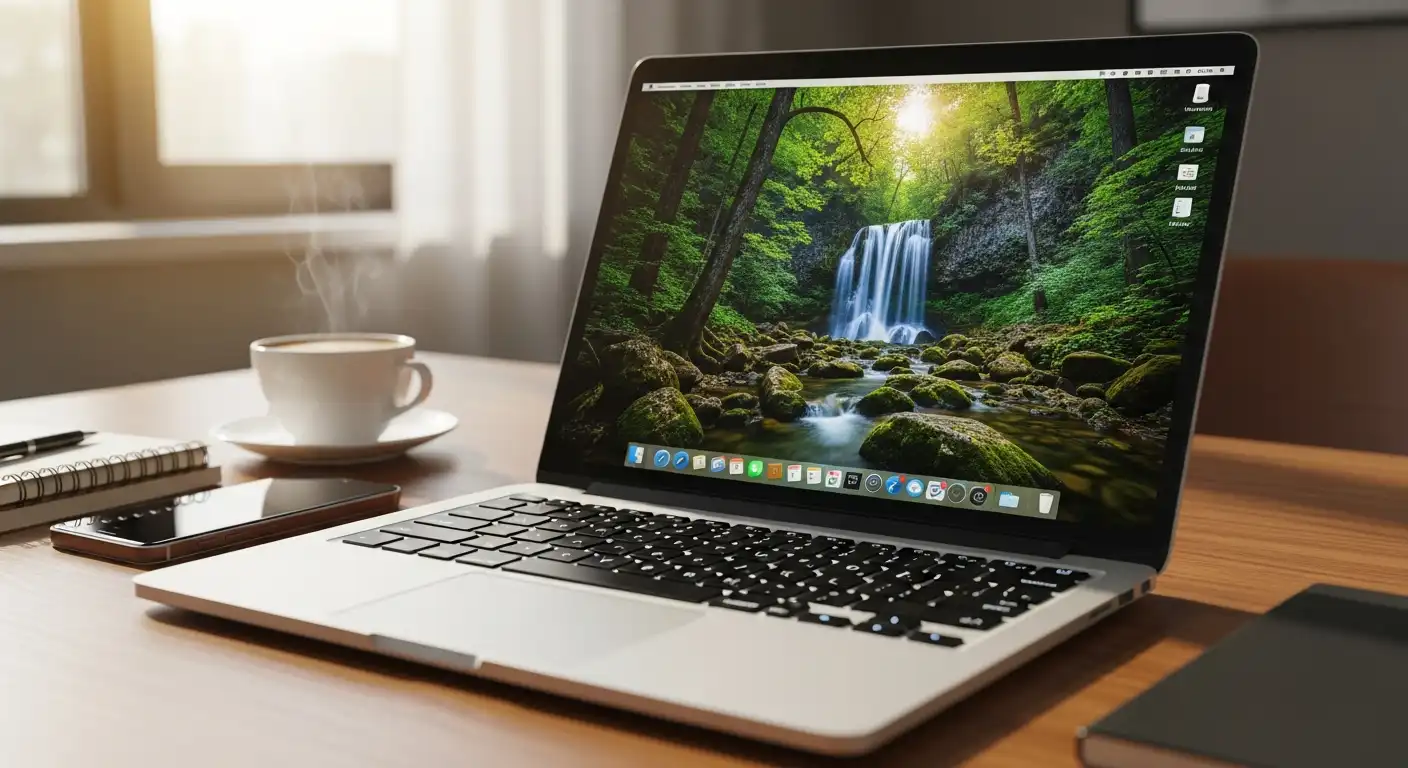
A single, relentless goal drove the next great leap: to make the laptop as thin and as light as possible. This was made possible by a series of engineering breakthroughs, from the switch to flat-panel LCD screens to the invention of the slim, solid-state drive (SSD). This “thin and light” revolution, epitomized by the original MacBook Air, gave us the iconic “wedge” shape that has dominated laptop design for the last 15 years. It was a war on every millimeter and every gram, and it gave us machines that we could truly carry all day without a second thought.
The Cost of Thinness
But this relentless pursuit of thinness came at a cost. In our quest for a razor-thin profile, we sacrificed many of the things that made laptops great. We lost our ports, ushering in the dreaded “dongle life.” We lost our comfortable, tactile keyboards, which were replaced by shallow, unreliable mechanisms. And we lost the ability to repair and upgrade our own machines, as everything became sealed and soldered shut. The pendulum had swung too far, and the design that looked so beautiful in a marketing photo was often a frustrating tool to use in the real world.
A Return to Sanity
Today, we are in the midst of a welcome correction. We are seeing a new generation of laptops that are a little bit thicker, a little bit heavier, and a whole lot better. The ports are coming back. The comfortable keyboards have returned. And the focus is shifting from pure, uncompromising thinness to a more balanced and user-focused design. It has taken us 40 years, but we have finally learned the most important lesson in laptop design: the goal is not to build the thinnest possible machine, but to build the best possible tool for the human who has to use it.