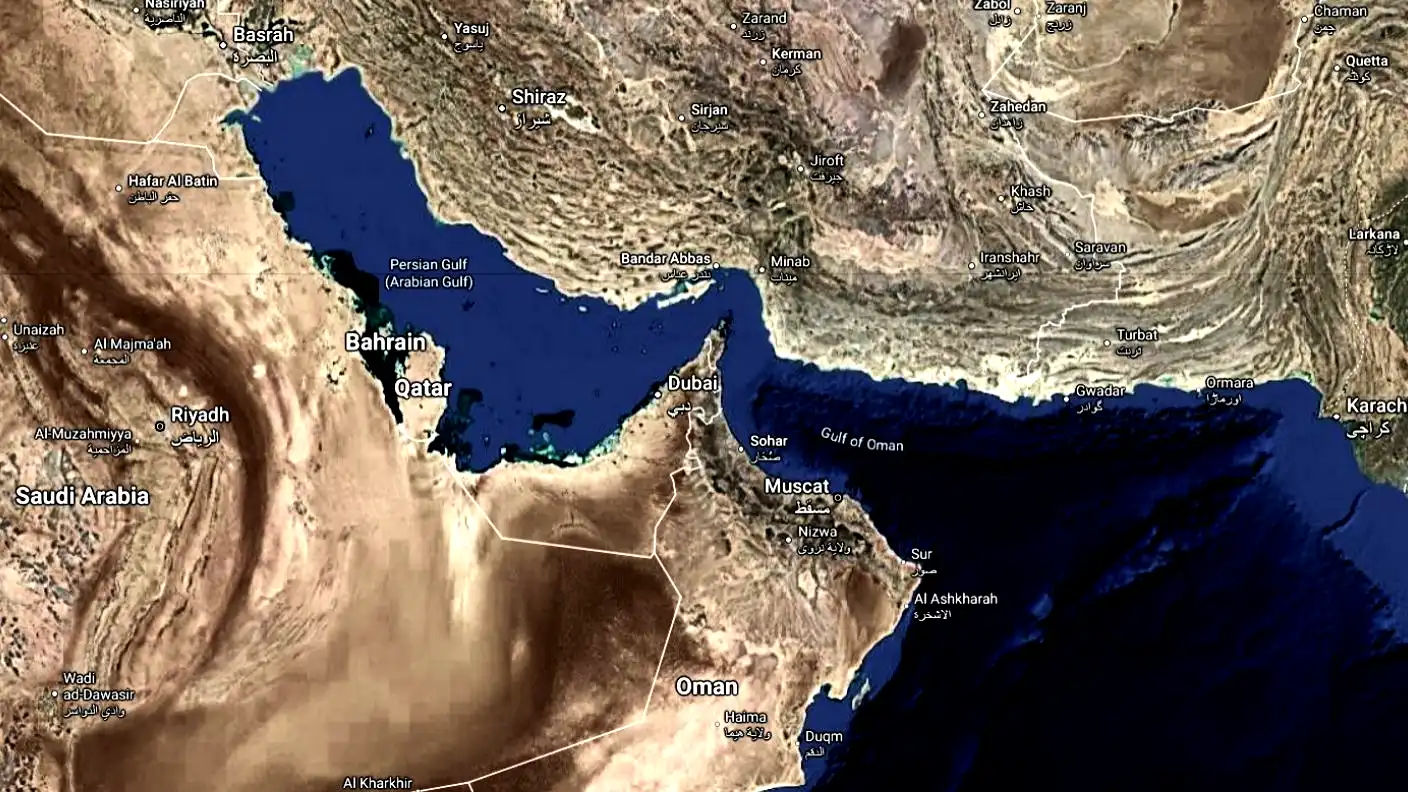
Key Points:
- President Donald Trump extended his deadline to Tuesday evening for Iran to reopen the Strait of Hormuz.
- Marine Traffic data shows 21 vessels crossed the strait over the weekend as Iran granted Iraq a special shipping exemption.
- Mediators are currently discussing a 45-day ceasefire proposal, which Trump called a significant step forward.
- The White House scheduled a 1 p.m. press conference to discuss the recent military rescue of an American aviator in Iran.
U.S. President Donald Trump escalated his threats regarding the Strait of Hormuz this weekend. Despite his loud warnings, regional data shows more ships successfully navigating the crucial waterway under the direct permission of the Iranian regime. The harsh rhetoric from the White House hit a new peak on Sunday. In a fiery post on Truth Social, the president used an expletive, mocked the local religion, and labeled Iranian leaders as crazy bastards. He also promised to bomb local bridges and civilian power plants if the country refused his demands.
Meanwhile, actual events on the water gave market observers a brief spark of hope on Monday. Economic pressure might finally ease a bit. Iran announced it granted Iraq a special exemption to ship cargo through the blocked strait. This policy shift means more crude oil will likely flow directly to Asian markets. Traffic in the 21-mile-wide waterway just reached its highest level since the war began.
A shipping-tracking service called MarineTraffic published a new analysis on Monday showing a clear uptick in movement. The service reported that exactly 10 vessels crossed the strait on Saturday, followed by another 11 vessels on Sunday. This weekend’s total sits far below the 100 ships that passed through on a normal day before the conflict. However, seeing 21 ships pass represents a massive improvement compared to the stagnant numbers from March.
This strange split screen pairs apocalyptic threats with quiet diplomatic optimism. The president gave negotiators an extra day to work out a potential ceasefire deal. A new report from Axios revealed that mediators are pushing a last-ditch proposal for a 45-day ceasefire. Negotiators believe a full reopening of the strait will occur only in a final, permanent peace deal. On Monday, Trump confirmed he reviewed the proposal and described it as a significant step toward ending the violence.
Before focusing on the ceasefire, Trump turned his attention to the military. He planned a major press conference for 1 p.m. ET at the White House. He invited top military officials to discuss the successful weekend rescue of an American aviator trapped in Iran. Reporters expect the standoff over the Strait of Hormuz to dominate the questioning during this scheduled media event.
Over the weekend, the president fired off a confusing series of fresh threats about the waterway. The Strait controls roughly 20.0% of the global oil supply, moving over $1.2 billion in crude daily, making it a critical economic chokepoint. On Saturday, Trump issued a strict 48-hour deadline for Iran to open the waters or face destruction, saying hell would reign down on them. He pushed the tension even higher on Sunday during a television interview, claiming he might blow up the entire country.
Sunday also brought a completely new deadline. Trump declared that the upcoming Tuesday would be Power Plant Day and Bridge Day, all wrapped into one. This statement shifted his previous timeline, giving negotiators an extra 34 hours for diplomacy beyond his original Saturday threat. The new deadline is Tuesday evening at exactly 8 p.m. ET.
This latest extension highlights another sharp turn in the political rhetoric. Just last week, during a national address, Trump claimed the United States did not even need the Strait of Hormuz. He suggested other nations should take full responsibility for securing the area. He began issuing these strict ultimatums back on March 9. Since then, Iran has shown zero willingness to surrender its leverage and continues to exercise total veto power over ship traffic.
The recent increase in shipping traffic is mostly due to sanctioned vessel activity. Marine Traffic analysts noted this specific detail, showing that Iran still holds complete control over who passes and who waits. The regime actively pushes American allies aside by ignoring Western sanctions. Still, getting any ships through the channel acts as a soothing balm for nervous energy markets. Average gas prices in the United States recently topped $4.11 per gallon, hurting regular drivers. Asian traders and refiners will feel the relief first as newly empowered Iraqi suppliers begin loading crude bound for their struggling markets.