Key Points:
- U.S. President Trump promised Navy escorts for ships crossing the Strait of Hormuz.
- The US government will also provide affordable insurance to maritime trade.
- Iran recently threatened to attack any vessel trying to pass through the waterway.
- Experts warn military escorts could trigger more conflict in the region.
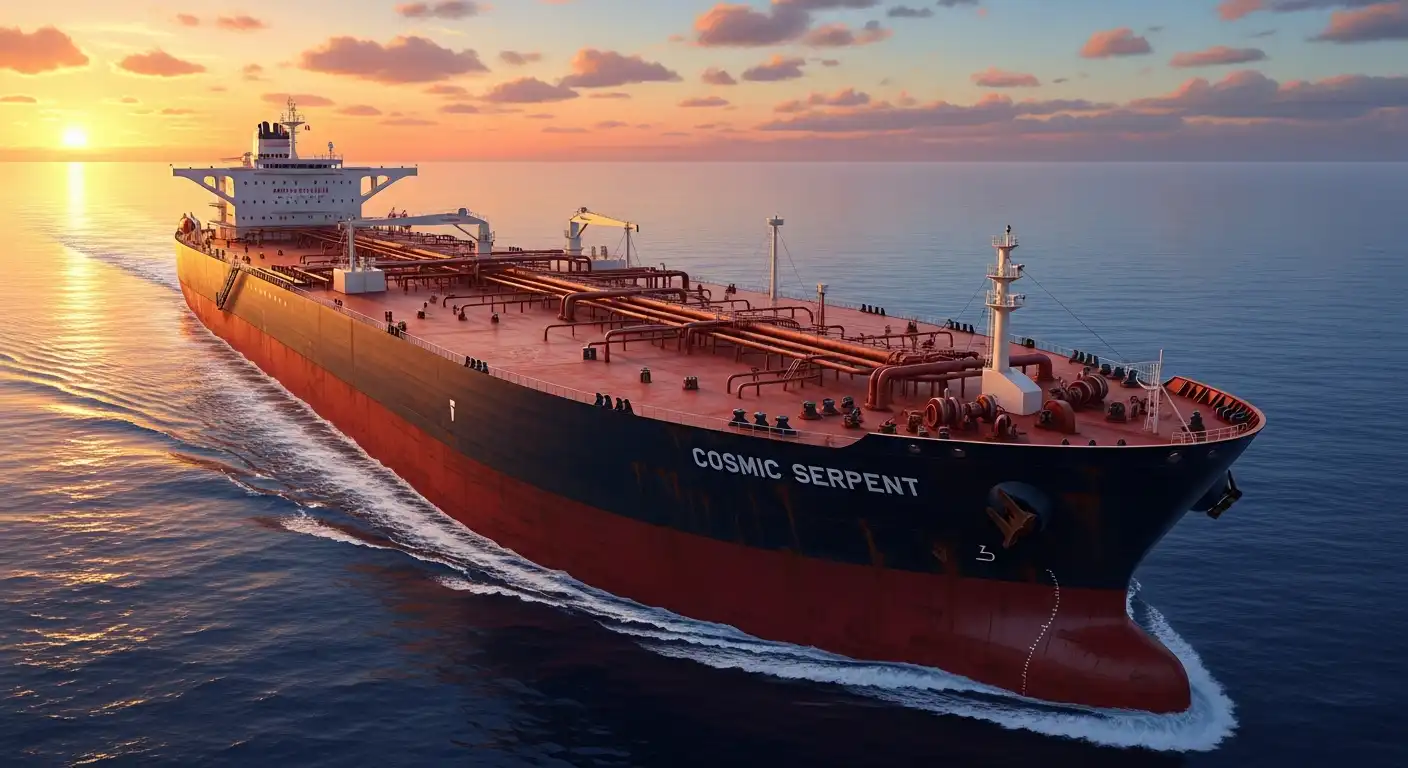
U.S. President Donald Trump stepped in to stop a growing global shipping crisis. On Tuesday, he announced the United States will provide security escorts and insurance guarantees to oil tankers traveling through the dangerous Strait of Hormuz.
This vital waterway handles about one-fifth of the world’s daily oil and natural gas supply. Traffic completely stopped this week after the Iranian military declared the strait closed. Iran threatened to strike any ship that tried to pass, leaving millions of barrels of crude oil stranded.
The violent threats scared away major insurance companies. Insurers refused to offer war-risk coverage, making the journey financially impossible for shipping companies. To fix this, Trump ordered the US Development Finance Corporation to immediately offer political risk insurance to all shipping lines at a reasonable price.
Trump also promised military backup. He stated on Truth Social that the US Navy will begin escorting tankers through the strait if necessary. This strong message quickly calmed panicked energy markets. Brent crude prices dropped to 82 dollars a barrel, backing down from a recent peak of 84 dollars.
However, financial experts doubt this is a permanent fix. Arsenio Longo, a maritime intelligence expert, noted that ship owners still want to see the actual insurance details. Operators will likely wait and watch until the Navy successfully escorts the first ship without incident.
Sending American warships to guide commercial tankers carries massive risks. Analysts warn that high-visibility Navy escorts could easily provoke more attacks from Iran. If the conflict escalates and puts American soldiers on the ground, the stock market could face a severe sell-off.
Despite the long-term worries, Wall Street liked the quick action. The move reassured investors that the White House is actively managing the energy crisis before it damages the global economy.