Key Points:
- President Trump gave the European Union a strict two-month deadline to enforce the Turnberry Accord trade agreement.
- The administration will impose a massive 25 percent tariff on European automobiles if lawmakers miss the July 4 cutoff.
- United States Trade Representative Jamieson Greer confirmed the United States reached 95 percent compliance over the last nine months.
- European Commission President Ursula von der Leyen promised good progress toward major tariff reductions by early July.
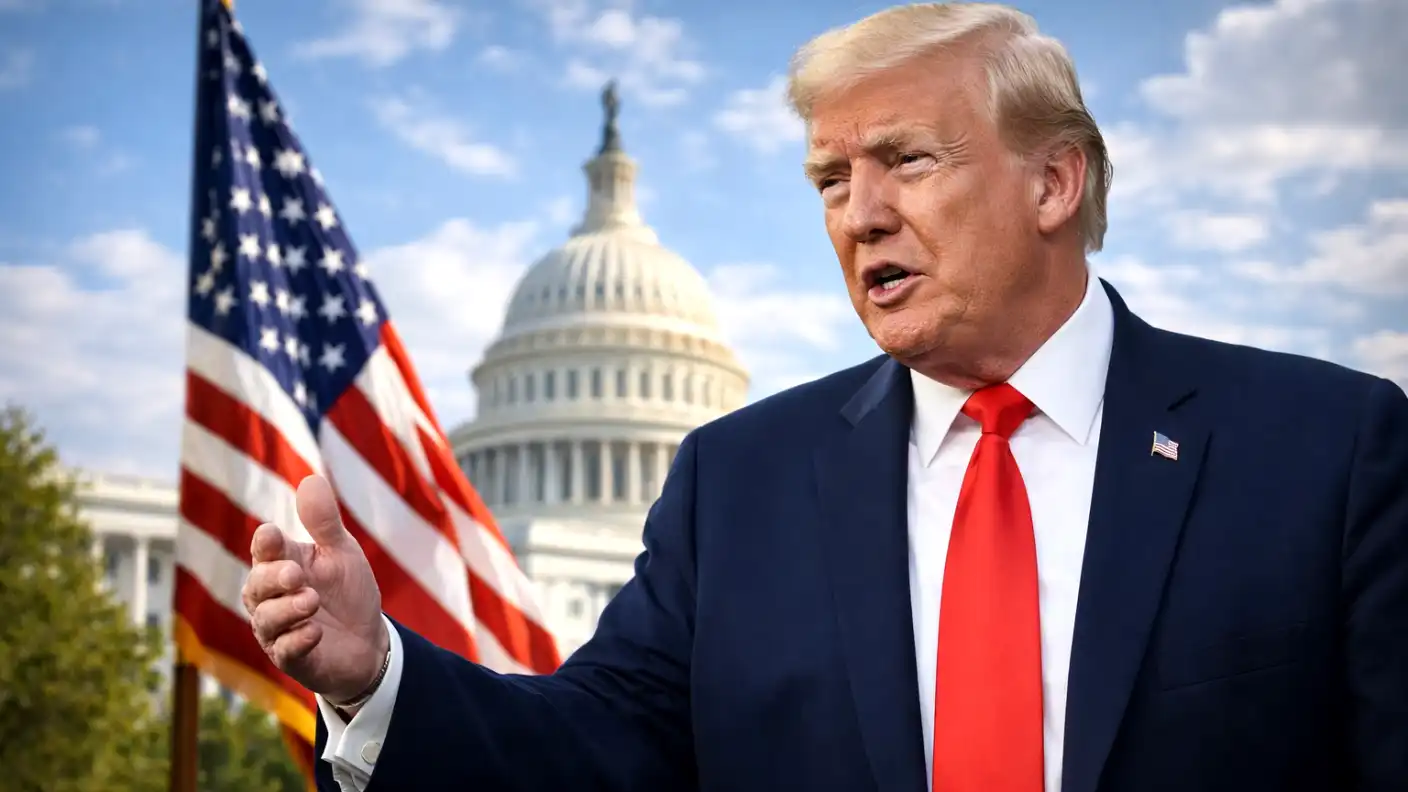
President Donald Trump gave the European Union exactly two months to honor a stalled trade agreement. He threatened to hit European markets with massive financial penalties if they miss the upcoming deadline. The administration wants Europe to act before July 4, which marks the 250th anniversary of American independence. If the trading bloc fails to deliver, Trump promises to impose a severe 25 percent tariff on European automobiles.
Trump posted his latest warning on social media this Thursday. He demands European leaders finalize the Turnberry Accord immediately. The two sides agreed to this massive trade pact last summer at Trump’s golf resort in Scotland. Under the original terms, the European Union promised to drop its tariffs on American industrial goods. Leaders also pledged to pour billions of dollars into the United States energy sectors and other major industries. In return, the United States agreed to lower taxes on European products.
The president made his terms clear during a direct phone call with European Commission President Ursula von der Leyen. Trump told his followers he delivered a hard ultimatum. He stated he agreed to give von der Leyen until the 250th birthday of the United States. If she misses that mark, he said their tariffs will jump instantly to much higher levels.
This tense phone call happened because European negotiators and member-state governments hit a major roadblock. They failed to agree on exactly how they will implement the handshake deal von der Leyen made with Trump. Getting 27 different European nations to agree on trade legislation takes months, and the Trump administration officially lost its patience.
Ursula von der Leyen offered a slightly different view of the phone call on her own social media accounts. She mentioned the conversation mostly focused on the ongoing war in the Middle East. However, she confirmed that they discussed the pending trade deal. She stated both sides remain totally committed to making the deal work. She added that European lawmakers are making good progress toward reducing tariffs by early July.
The Trump administration sees the situation differently. United States Trade Representative Jamieson Greer expressed deep frustration with the European system’s slow pace. During an interview on Thursday, Greer pointed out the complete lack of action from the other side. He explained the European Union still struggles to pass basic laws to lower taxes on American goods. Worse, he noted they entirely ignore the non-tariff barriers outlined in the original Turnberry agreement.
Greer did not hold back his criticism of the European legislative pace. He acknowledged European leaders started a process to handle the tariffs, even if it moves at a slow crawl. He understands their political system causes delays, but he made it clear the United States refuses to wait any longer. He expressed special anger about the other parts of the deal where European leaders refuse to even start the paperwork.
To highlight the unfairness, Greer brought out specific numbers. He stated the United States achieved 95 percent compliance over the last nine months. Meanwhile, he said the European Union sits at 0 percent compliance for that exact same time frame. Greer asked reporters what he should do when the other side completely fails to act.
A massive 25 percent tariff on European cars would send shockwaves through the global economy. European automakers export more than $40 billion in passenger vehicles to the United States every year. Companies in Germany, Italy, and Sweden rely heavily on American buyers. A sudden tax hike of that size would force car companies to raise prices drastically, potentially killing their sales in North America.
The energy promises also remain stuck in limbo. Europe originally planned to buy huge amounts of American liquefied natural gas and invest roughly $10 billion into energy infrastructure. These investments would create thousands of jobs across Texas and Louisiana. Without a final vote from the European parliament, those energy deals stay frozen on paper.
Time runs short for Brussels to fix the problem. European lawmakers need to push the Turnberry Accord through their complex voting system before the summer recess. If they fail, Trump seems fully prepared to start a devastating trade war on Independence Day. The next eight weeks will decide the future of a trade relationship worth more than $1 trillion annually.