Key Points:
- A senior United States official confirmed the current rare earths agreement with China remains fully active today.
- President Donald Trump and President Xi Jinping will meet in Beijing on May 14 and 15.
- The two leaders plan to discuss the United States-Israeli war on Iran, trade rules, and Taiwan.
- Trump and Xi previously met in South Korea last October to pause an aggressive global trade war.
A vital rare earths agreement between the United States and China remains active as both countries prepare for high-level diplomatic talks. A senior United States official confirmed to reporters on Sunday that the deal has not expired yet. The official stated that representatives from both nations continue their regular conversations regarding the agreement’s future. They noted that the government will announce any official extension of the deal at the appropriate time. This clear statement provides immediate stability to global tech and defense industries that rely heavily on these essential materials.
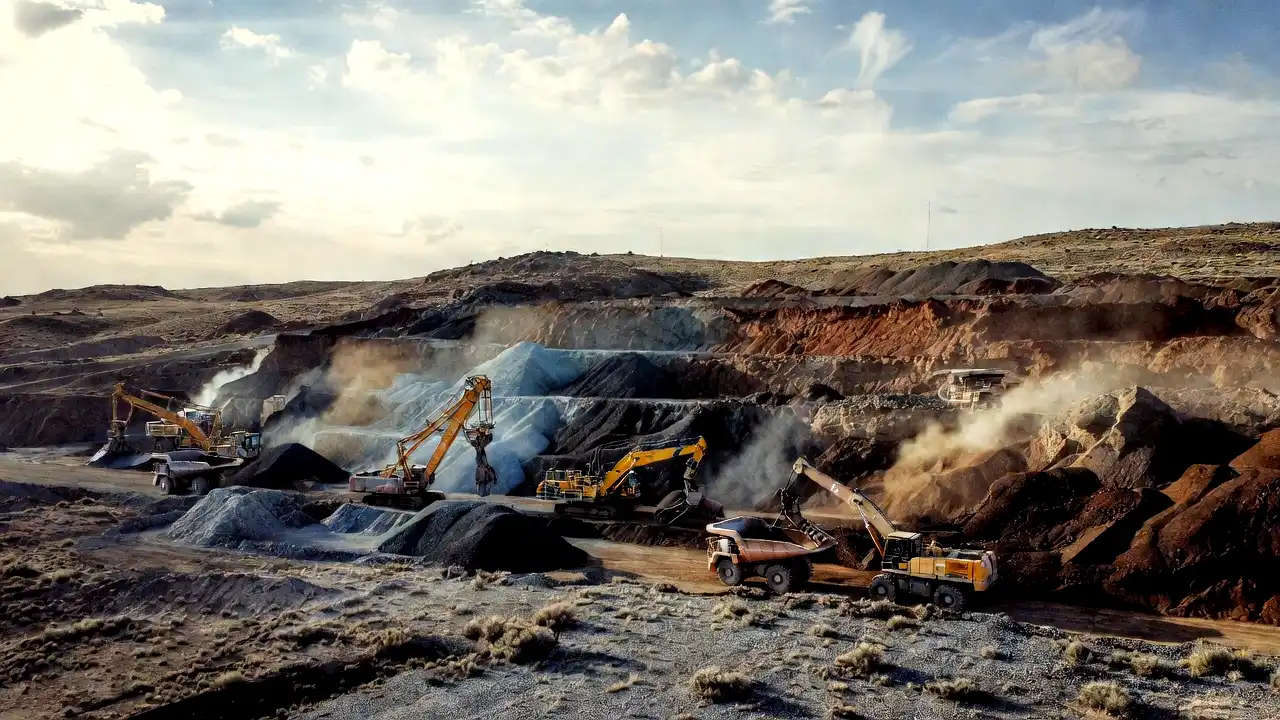
Rare earths consist of 17 distinct elements that power nearly all modern technology. Manufacturers need these specific materials to build electric vehicles, smartphones, and advanced military weapon systems. China currently controls more than 80% of the global rare earth refining capacity. This massive market share gives Beijing significant leverage over the United States and other major global economies. A sudden disruption in this supply chain would severely damage American technology companies and cost billions of dollars in lost manufacturing production.
The rare earths deal remains a top priority as President Donald Trump and Chinese President Xi Jinping prepare for a major meeting. The two leaders will hold a two-day summit in Beijing on May 14 and 15. This scheduled visit forces both administrations to confront several critical global issues face-to-face. Diplomats from both countries spent the last 3 weeks preparing the official agenda before the meetings officially begin on Thursday.
The ongoing United States-Israeli war on Iran will dominate a large portion of the Beijing summit. The sudden military conflict disrupted global energy markets and forced world leaders to reassess their military alliances across the Middle East. China imports millions of barrels of oil from the region every day, making the war a massive economic concern for Xi. Trump wants to gauge Beijing’s current diplomatic stance and see if China will use its influence to help stabilize the rapidly deteriorating Middle East conflict.
Beyond the Middle East, Trump and Xi will tackle the deep political divide over Taiwan and broader economic trade policies. Tensions around Taiwan continue to rise rapidly, with both nations holding military drills in the region over the past 6 months. On the trade front, American farmers and manufacturers want clearer rules and lower financial barriers to enter the massive Chinese consumer market. Negotiators from both sides hope the two leaders can find common ground and avoid triggering another harmful cycle of economic retaliation.
The upcoming May summit in Beijing follows a critical meeting between Trump and Xi last October. The two leaders met face-to-face in South Korea to defuse boiling economic tensions between their countries. Before that October meeting, the United States slapped massive triple-digit tariffs on a wide range of imported Chinese goods. In response, Beijing threatened to cut off the global supply of rare earth elements completely. That aggressive standoff terrified international financial markets and nearly caused a crash in global stock exchanges.
During their meeting in South Korea, Trump and Xi agreed to pause the damaging trade war. They negotiated the current rare earths deal as a temporary solution to calm nervous investors and protect global supply chains. The pause saved American consumers an estimated $50 billion in higher retail costs heading into the busy holiday shopping season. It also allowed major Chinese technology firms to continue operating normally without facing absolute export bans.
Now, both governments must decide whether to extend the temporary economic truce or return to aggressive trade tactics. The senior United States official refused to give reporters a strict deadline for the rare earths extension decision. However, the official expressed strong confidence that the two sides would soon find a positive path forward. The upcoming Beijing talks give Trump and Xi the perfect opportunity to lock in a new long-term economic strategy.
Business leaders across the United States eagerly watch the fast-moving developments in Beijing. Major technology companies sent dozens of executives to Washington this month to urge the government to protect the critical supply of rare earth. Automotive CEOs also warned that losing access to these specific minerals would delay electric-vehicle production goals by 3 to 5 years. They argue that American companies simply cannot build independent rare-earth refineries quickly enough to replace Chinese exports.
The May 14 and 15 meetings will ultimately determine the direction of the global economy for the next several years. If Trump and Xi successfully manage the difficult issues involving rare earths, Taiwan, and the war in the Middle East, global financial markets will likely surge. Until then, the temporary rare earths agreement continues to hold the fragile United States-China trade relationship together.