

Key Points:
- United States and Iranian officials held direct three-way peace negotiations in Islamabad to end the six-week Middle East war.
- The talks focused on reopening the Strait of Hormuz, extending the ceasefire, and offering phased sanctions relief.
- President Donald Trump warned Iran that he will resume military strikes if the critical shipping waterway remains closed.
- Two United States Navy ships successfully transited the strait to begin clearing underwater mines planted during the conflict.
The United States and Iran held direct three-way talks with Pakistan on Saturday. Both sides desperately want to end the six-week war tearing through the Middle East. US Vice President JD Vance sat down with top negotiators Jared Kushner and Steve Witkoff. The American team met directly with a powerful Iranian delegation at roughly 5:30 pm local time. Parliament Speaker Mohammad-Bagher Ghalibaf, a veteran of the Islamic Revolutionary Guard Corps, led the Iranian group alongside Foreign Minister Abbas Araghchi.
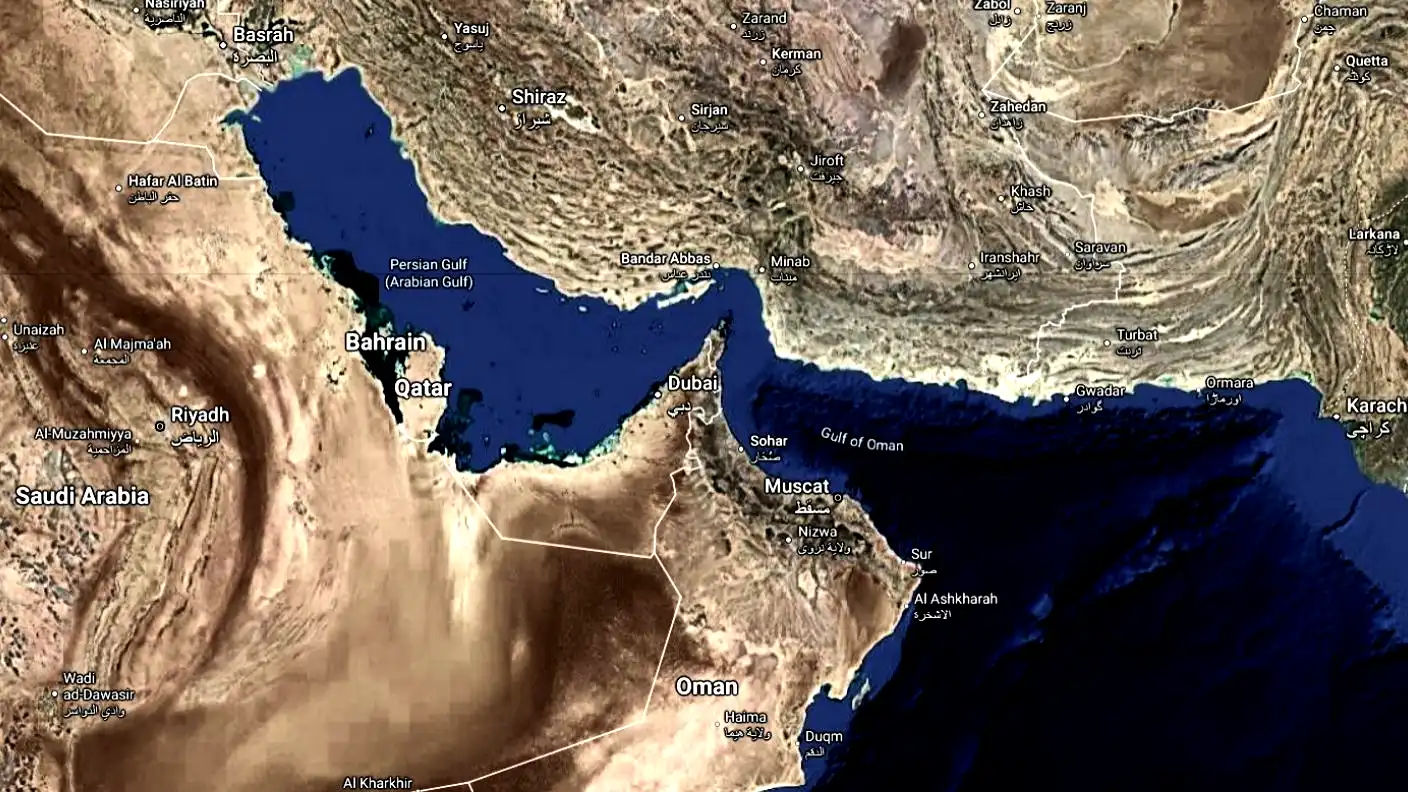
The high-level politicians spoke for about an hour before calling in teams of technical experts. According to Iran’s semi-official Tasnim news agency, these experts focused strictly on logistical details. The groups discussed how to manage the Strait of Hormuz, extend the current ceasefire, and gradually lift economic sanctions. However, both US and Pakistani officials noted that the negotiators mostly avoided the core issues that started the war in the first place.
The Trump administration originally launched its military campaign on February 28 to stop Iran from supporting armed proxy groups across the region. Washington also wanted to shut down Iran’s aggressive nuclear and missile programs. Neither side seemed willing to tackle those massive issues during the initial meeting. Ghalibaf spoke to reporters shortly after arriving in Islamabad. He stated clearly that Iran has goodwill but lacks trust in the United States. He promised that if the Americans show they genuinely want an agreement, the Iranian side will also show readiness. Iran clearly views this as a major event, bringing a massive 71-member delegation, including its central bank governor.
US President Donald Trump used social media to apply heavy pressure before the talks even started. On Saturday morning, he posted that everyone knows Iran is losing big in this conflict. Late Friday night, Trump told reporters he expected the Strait of Hormuz to open pretty quickly. This critical waterway remains Iran’s main point of leverage. The President warned that he could order new military action immediately if the strait does not reopen for commercial business.
While the broader ceasefire mostly holds across the Middle East, the shipping crisis threatens to derail the peace talks. Oil tankers and commercial vessels still cannot safely pass through the strait. Furthermore, Israel continues fighting Hezbollah forces in Lebanon. Israel did not attend the Saturday negotiations and continued launching airstrikes against towns in southern Lebanon. The Israeli military confirmed they launched more than 200 strikes against Hezbollah targets over the past 24 hours alone. Ghalibaf specifically demanded a ceasefire in Lebanon before full negotiations could begin.
Despite the tense political climate, the US military made physical progress in the water. Two US Navy ships, the USS Frank E. Peterson and the USS Michael Murphy, successfully transited the strait. According to the US military, these ships operated in the Arabian Gulf to begin clearing underwater mines that Iran planted during the war. Admiral Brad Cooper released a statement saying the military had begun establishing a new safe passage. He promised to share this safe pathway with the maritime shipping industry soon to encourage the free flow of global commerce.
Reports from the region conflict on how this naval operation played out. A regional intelligence official told Axios that the US warships actually turned back after facing direct threats from the Iranian military. Iran’s Fars news agency claimed its armed forces monitored a US destroyer moving toward the Strait. Tehran supposedly sent a warning through Pakistani mediators, threatening to target the ship if it continued. The US military statement completely ignored these claims and made no mention of any Iranian threats or forced retreats.
The massive agenda for the peace talks includes several long-term problems. The negotiators must decide the fate of Iran’s uranium stockpile and missile production facilities. They must also figure out how to handle US economic sanctions and the broader American military presence in the Middle East. The two nations failed to resolve these same issues during previous negotiations in February, right before the war started. Iran remains defiant, claiming US and Israeli airstrikes killed more than 3,000 people. Tehran believes its control over the strait, which handles about a fifth of global oil flows, will eventually force the White House to give in.
Pakistan played a crucial role in making these talks happen. The Pakistani government helped secure the initial two-week ceasefire earlier this week. This break in fighting occurred just hours before a deadline set by Trump to escalate attacks against Iranian power plants and civilian infrastructure dramatically.
Pakistan leveraged its close ties with the Trump administration while also relying on its shared border and historical links with Iran. To keep everyone safe, the Pakistani government placed Islamabad under effective lockdown. Police set up road blockades, and army patrols flooded the city to protect the negotiators inside the booked-out luxury hotels.






