Key Points:
- President Donald Trump ordered a naval blockade to force Iran to stop pumping oil.
- Analysts estimate that Iran has 1 to 2 months of oil storage left, though Trump claims it has 3 days.
- A complete halt in oil production risks permanent geological damage to Iranian energy fields.
- Crude oil prices sit near $100 per barrel as market experts dismiss a new peace proposal from Iran.
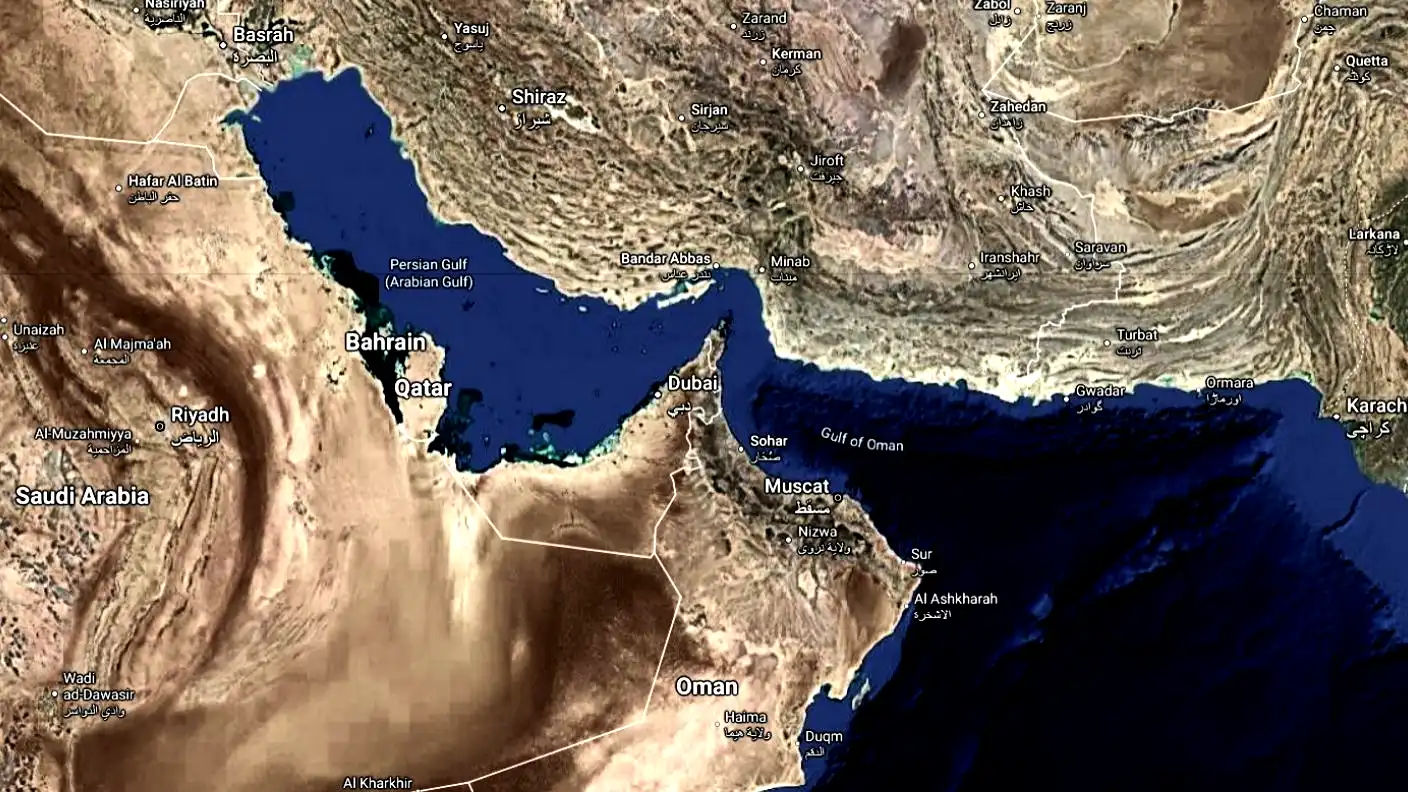
President Donald Trump initiated a strict naval blockade of the Strait of Hormuz in mid-April. This aggressive move directly targets the heart of the Iranian economy. Trump wants to force the Iranian oil industry to hit a specific breaking point. Energy experts call this the shut-in date. This date occurs when a country has filled every available oil storage tank and cannot export a single drop of crude. When a country reaches this maximum limit, oil companies must stop pumping oil from the ground.
Reaching a complete shutdown would cause massive economic destruction for Iran. Oil engineers find it extremely difficult to restart wells after they stop pumping. Shutting down active oil fields carries a very high risk of permanent equipment failure and geological damage. Ian Bremmer, the founder of Eurasia Group, explained the logic driving the White House strategy on Monday. He noted that the United States wants to put the Iranian economy under unbearable strain. Trump hopes this massive financial pain will force Iranian political leaders to accept a peace deal that he can announce as a major victory.
However, a major problem complicates this strategy. Very few experts actually know when Iran will run out of storage space. Analysts offer wildly different estimates for this critical deadline. Bremmer and his team suggest that Iran might have about 1 month left before hitting the wall. Other energy analysts predict the breaking point will arrive much earlier in May. A third group of market watchers believes Iran can hold out and store oil until June.
President Trump offered the most extreme timeline during a recent television interview. On Sunday, he told Fox News that the Iranian oil industry only has about 3 days left before it literally explodes. He added that engineers can never rebuild the system the way it operated before the conflict. This dramatic rhetoric heavily influences the ongoing peace negotiations and keeps global financial markets on edge.
Tobin Marcus, an analyst at Wolfe Research, sent a note to clients on Monday explaining the situation. He wrote that Trump clearly plans to wait out the Iranian regime simply. Marcus believes the president feels completely confident that the naval blockade will work. This waiting strategy also allows Trump to avoid starting a full-scale ground war. However, Marcus completely disagrees with the short timeline the president offered on television.
Marcus and his team estimate that Iran actually has up to 2 months before mandatory oil shut-ins begin in earnest. He warned investors to prepare for a long and painful staring contest between the two nations. He bluntly called the presidential prediction of an imminent 3-day explosion total nonsense. This massive gap in timeline estimates creates serious problems for global financial markets. Capital Economics released a separate analysis warning that policymakers will find it increasingly difficult to look past the growing tension if the standoff drags out.
During the first 6 weeks of the conflict, oil shut-ins did not matter. Iran previously imposed a blockade in the Strait of Hormuz but intentionally allowed its own oil ships to pass through. The United States allowed this arrangement to continue for a short time. Iran managed to export roughly the same amount of oil from Kharg Island into global markets as it did before the bombs started falling.
That situation changed drastically in mid-April. Peace talks collapsed, and Trump immediately announced the strict American naval blockade. He stated clearly that he would not allow Iran to profit from an illegal act of extortion. Now, energy markets and global economic leaders wonder how quickly this financial chokehold will force Iranian leaders to make real concessions at the bargaining table.
Right now, face-to-face negotiations remain elusive. Trump proudly tells supporters that the United States military sealed the Strait completely. Over the weekend, Iran tried to change the dynamic. Iranian leaders offered a new peace proposal. The proposal asks the United States to end the naval blockade immediately. However, the offer includes several major roadblocks. Most notably, Iran wants to delay all conversations about its nuclear program.
This condition directly conflicts with core American demands. Trump states repeatedly that stopping Iran from getting a nuclear bomb remains the absolute top priority of the war. Because of this massive disagreement, the new Iranian proposal did absolutely nothing to calm financial markets on Monday. Crude oil prices remained stubbornly high, hovering right around $100 per barrel throughout the trading session.
Market observers quickly dismissed the new offer from Tehran. Terry Haines, an analyst at Pangaea Policy, reviewed the details of the Iranian proposal. He called the offer completely unserious right on its face. Haines explained that Iran did not design the proposal to give American negotiators anything real to work with. Instead, the two countries remain deadlocked as the clock ticks down on the remaining Iranian oil storage capacity.