Key Points:
- Bayer asked the US Supreme Court to block tens of thousands of lawsuits claiming Roundup weedkiller causes cancer.
- The hearing focused on a $1.25 million verdict awarded to a Missouri man who developed non-Hodgkin lymphoma.
- The company argues that federal approval of the weedkiller label protects them from state-level consumer lawsuits.
- The justices will issue a final ruling by early July, which could impact the food and cosmetic industries.
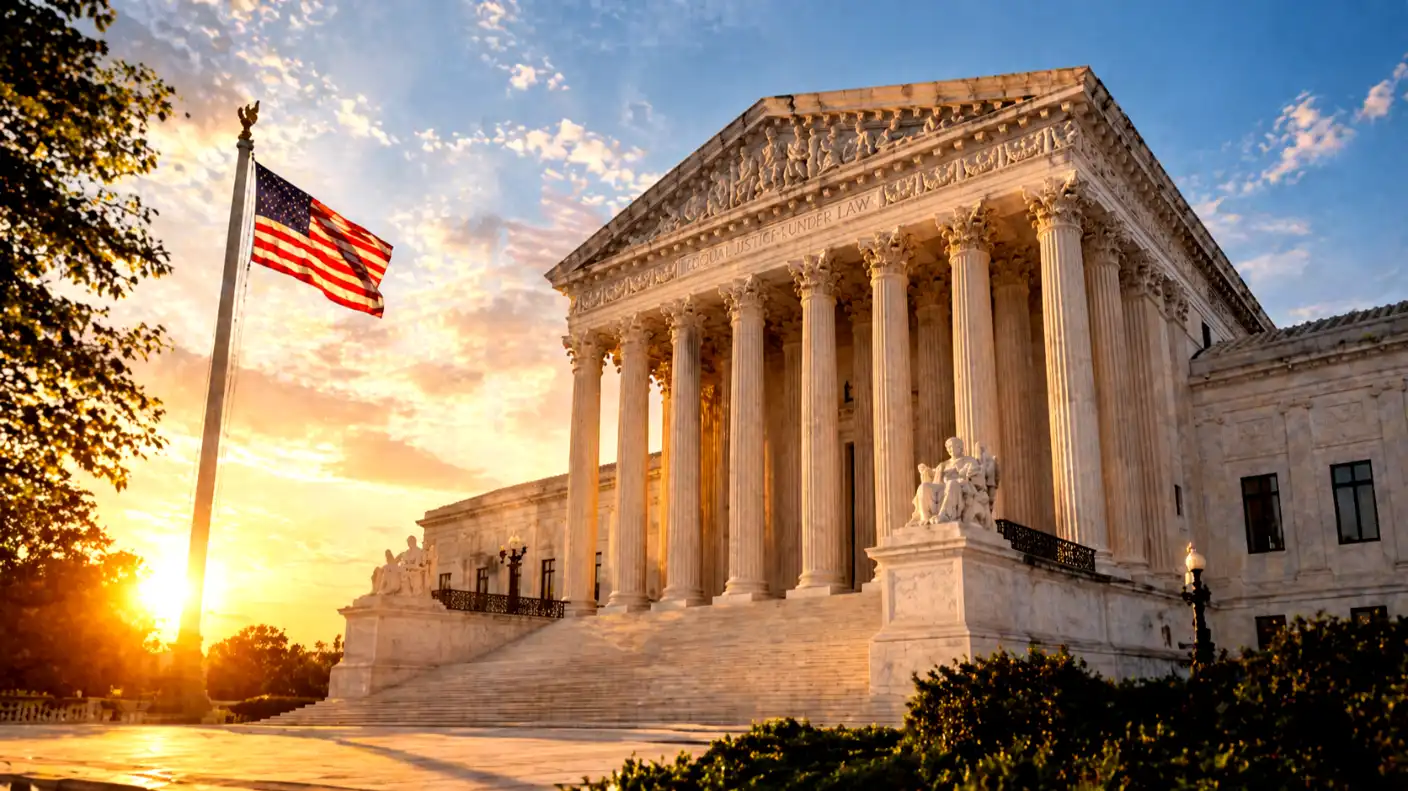
The United States Supreme Court delivered a mixed reception to Bayer AG on Monday. The massive chemical company traveled to Washington, hoping the justices would stop tens of thousands of active lawsuits. These legal complaints claim the popular weedkiller Roundup causes cancer and should have featured a strict warning label. The outcome of this hearing will reshape how everyday consumers sue corporations over dangerous products.
The justices spent their morning evaluating one specific legal fight that represents thousands of others. A Missouri man named John Durnell previously sued the company and won a $1.25 million jury verdict. Durnell convinced the lower court jury that his regular use of Roundup directly caused him to develop non-Hodgkin lymphoma. Bayer wants the high court to overturn this costly verdict and effectively block similar lawsuits going forward.
Bayer builds its legal defense entirely around actions taken by federal regulators. The company points out that the Environmental Protection Agency never required a cancer warning on bottles of Roundup. Because the top federal environmental watchdog approved the product label exactly as it was, Bayer argues that ordinary citizens cannot use state laws to sue them. The company insists it followed all national rules to the letter and deserves protection from local courts.
Lawyers call this legal concept preemption. Bayer contends that federal law always supersedes traditional state laws regarding failure to warn consumers. The company tests the Federal Insecticide, Fungicide, and Rodenticide Act. Lawmakers wrote this act to create strict rules for pesticides and to manage the exact wording on chemical labels. The legislation includes a specific rule that prevents individual states from creating their own additional mandates.
Bayer lawyers say this rule creates a clear shield for the company. Once the federal agency approved the mandatory label without requiring a cancer warning, the company believes no one can sue them for leaving that warning off the bottle. The company firmly maintains that Roundup remains completely safe for everyday use and does not cause any form of cancer.
During the Monday hearing, Bayer found a sympathetic ear in Justice Brett Kavanaugh. He asked several questions that seemed to support the corporate defense strategy. Kavanaugh questioned how consumers could sue a company for failing to warn them when federal law explicitly demands uniformity across all chemical labels nationwide. He seemed hesitant to let local juries override decisions made by federal safety agencies.
However, the company faced tough questions from other members of the bench. Chief Justice John Roberts pushed back against the idea of absolute federal protection. He suggested that local governments and states need the ability to react when new scientific evidence emerges about a potential health risk. Roberts argued that states should possess the legal authority to do something to call a new danger to the attention of the people living there.
The lawyers representing John Durnell told the justices that federal agency decisions do not strip power away from local juries. They argued that the approval process at the Environmental Protection Agency serves only as a baseline standard. In their view, federal approval does not prevent state courts from examining specific injuries and making their own judgments about whether a product requires a stronger warning label.
The financial stakes for Bayer stretch into the billions. Since the company acquired the Roundup brand, unending litigation has cost the corporate giant more than $10 billion in legal fees and settlements. This massive financial drain casts a dark shadow over the company’s stock price and alarms major investors. Executives desperately need the Supreme Court to rule in their favor and stop the bleeding once and for all.
A ruling that favors the chemical giant would send massive shockwaves far beyond the agriculture industry. Major players in the medical device, cosmetic, and food industries are watching this case very closely. These massive sectors operate under federal laws that closely resemble the pesticide rules currently under review.
If the Supreme Court decides that federal approval shields Bayer from state lawsuits, companies making makeup, packaged food, and medical implants will likely use the same defense to dodge future consumer lawsuits. A win for Bayer provides a massive legal shield for countless other corporations facing product safety claims.
The justices will spend the next few months debating the details behind closed doors. The Supreme Court plans to issue its final ruling by early July. Legal experts and corporate executives across the country will wait anxiously for the decision. The final word from the court will fundamentally alter the balance of power between federal regulators, giant corporations, and everyday consumers seeking justice for their injuries.