Key Points:
- Waymo issued a massive recall for 3,791 self-driving vehicles due to a dangerous software glitch involving flooded roads.
- The National Highway Traffic Safety Administration reported that the robotaxis struggle to avoid deep water during heavy storms.
- Federal safety regulators are currently investigating the company after one of its autonomous cars struck a young child in California.
- Another major investigation targets the tech firm for illegally passing a stopped school bus with flashing lights in Texas.
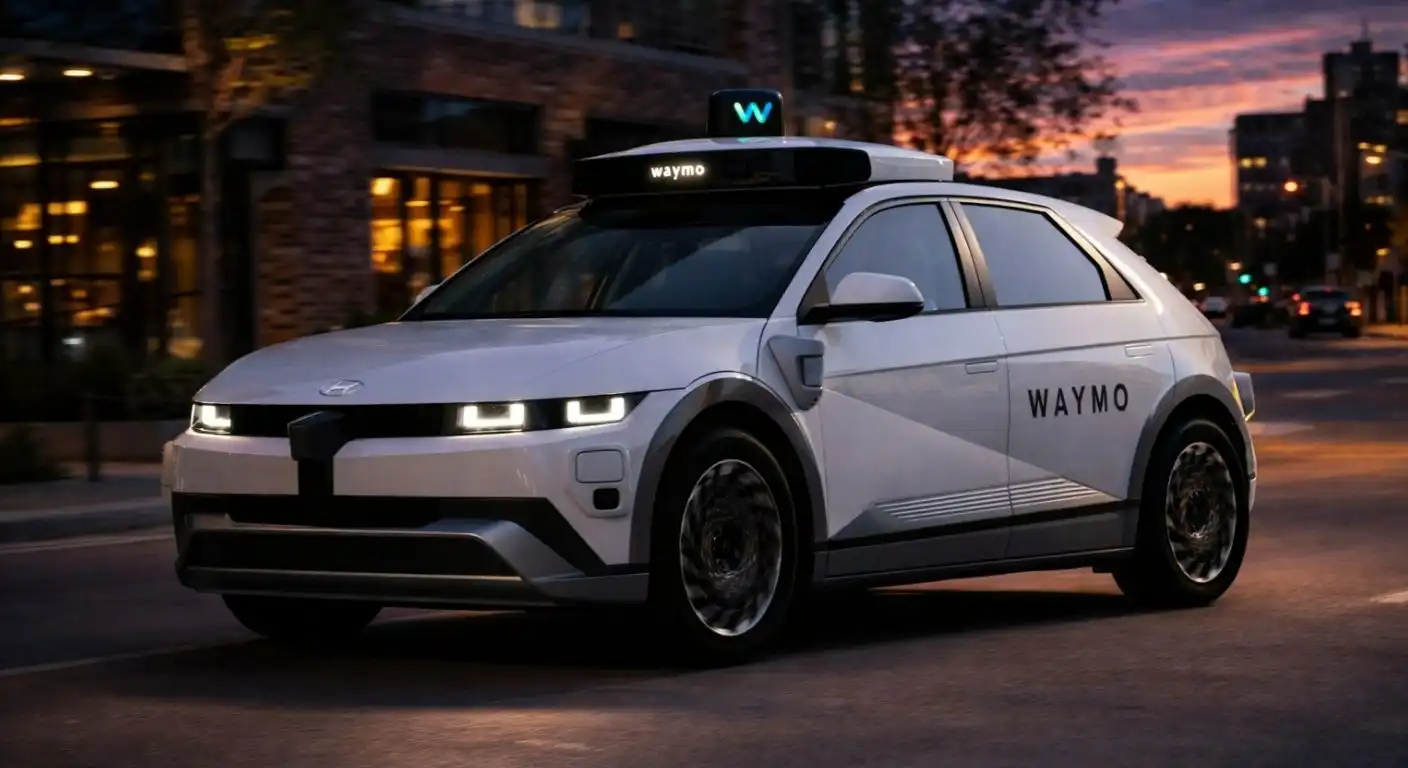
Waymo officially recalled 3,791 of its famous robotaxis across the United States. The company discovered a dangerous software glitch that forces the autonomous cars to drive directly onto flooded roads. The National Highway Traffic Safety Administration announced the massive recall on Tuesday, raising serious concerns about the safety of driverless technology during bad weather. The sudden recall forces the technology company to completely rethink how its cars handle severe storms and heavy rainfall.
The specific software defect affects the 5th- and 6th-generation Automated Driving Systems. These systems act as the digital brains for the newest robotaxis in the Waymo fleet. Engineers rely on these advanced computer programs to read the road, spot hazards, and keep passengers safe. However, the current software struggles to recognize standing water. When heavy rain floods a street, the vehicle simply fails to realize the danger and attempts to drive straight through the deep puddles.
Driving into floodwaters creates a massive hazard for anyone inside the vehicle. Deep water can easily stall a car engine or short-circuit the heavy batteries that power robotaxis. In severe cases, fast-moving water can sweep a heavy car completely off the road. Because these vehicles operate without a human driver to take over the steering wheel, passengers are completely helpless if the car plunges into a flooded intersection.
To prevent any immediate disasters, Waymo quickly implemented several temporary safety measures. The auto safety agency confirmed that the technology company had significantly altered its daily operations. Waymo increased its weather-related constraints, meaning the company will simply pull the cars off the street when severe storms roll into a city. If the weather radar shows heavy rain, the robotaxis will stay parked inside their garages until the skies finally clear.
In addition to grounding the cars during storms, developers updated the internal digital maps. These fresh maps help the cars avoid areas known for terrible drainage and frequent flash floods. However, these quick updates only serve as a temporary patch for a much larger problem. The safety agency stated that Waymo engineers currently work around the clock to develop a full software remedy. The final fix will require a massive over-the-air update to teach the car’s cameras and sensors to identify and avoid deep water properly.
This weather-related recall arrives at a terrible time for the self-driving car company. Waymo already faces intense scrutiny from federal investigators over two other major safety failures. The National Highway Traffic Safety Administration currently leads an active probe into a shocking crash that happened in California. In January, one of the self-driving vehicles struck a young child walking near an elementary school in Santa Monica.
Striking a pedestrian, especially a child in a school zone, represents the absolute worst-case scenario for any autonomous vehicle company. School zones require extra caution, lower speeds, and hyper-awareness from drivers. Federal investigators want to know exactly why the expensive sensors and radar systems failed to stop the car in time. The ongoing probe will determine if the software made a fatal error or if the child stepped into the street too quickly for the machine to react.
Beyond the California crash, Waymo must also answer to the National Transportation Safety Board. Last month, this separate federal agency launched its own aggressive investigation into a completely different traffic violation. Investigators are looking closely at a January incident in which a Waymo vehicle blatantly ignored traffic laws in Texas. The driverless car sped past a stopped school bus with its red lights flashing and stop sign extended.
Passing a stopped school bus violates strict state laws across the entire country. Human drivers face massive fines and suspended licenses for this exact offense. The law exists to protect children as they step off the bus and cross busy streets to reach their homes. The fact that a highly advanced computer system failed to recognize a bright yellow school bus with flashing red lights deeply alarms safety advocates and concerned parents.
These 3 distinct safety failures put immense pressure on the entire driverless-car industry. Companies like Waymo spend billions of dollars promising the public that computers drive safer than distracted humans. Yet, driving into floods, hitting pedestrians, and ignoring school buses completely shatter that public trust. Everyday drivers already feel nervous sharing the highway with empty robot cars, and these high-profile mistakes only validate their deepest fears.
Waymo now faces a steep uphill battle to prove its technology actually works in the real world. The company must fix the flooding glitch immediately, cooperate fully with federal investigators, and ensure its cars obey basic traffic laws. If the engineers fail to solve these critical software problems, government regulators could easily force the company to pull its entire fleet off public roads permanently.