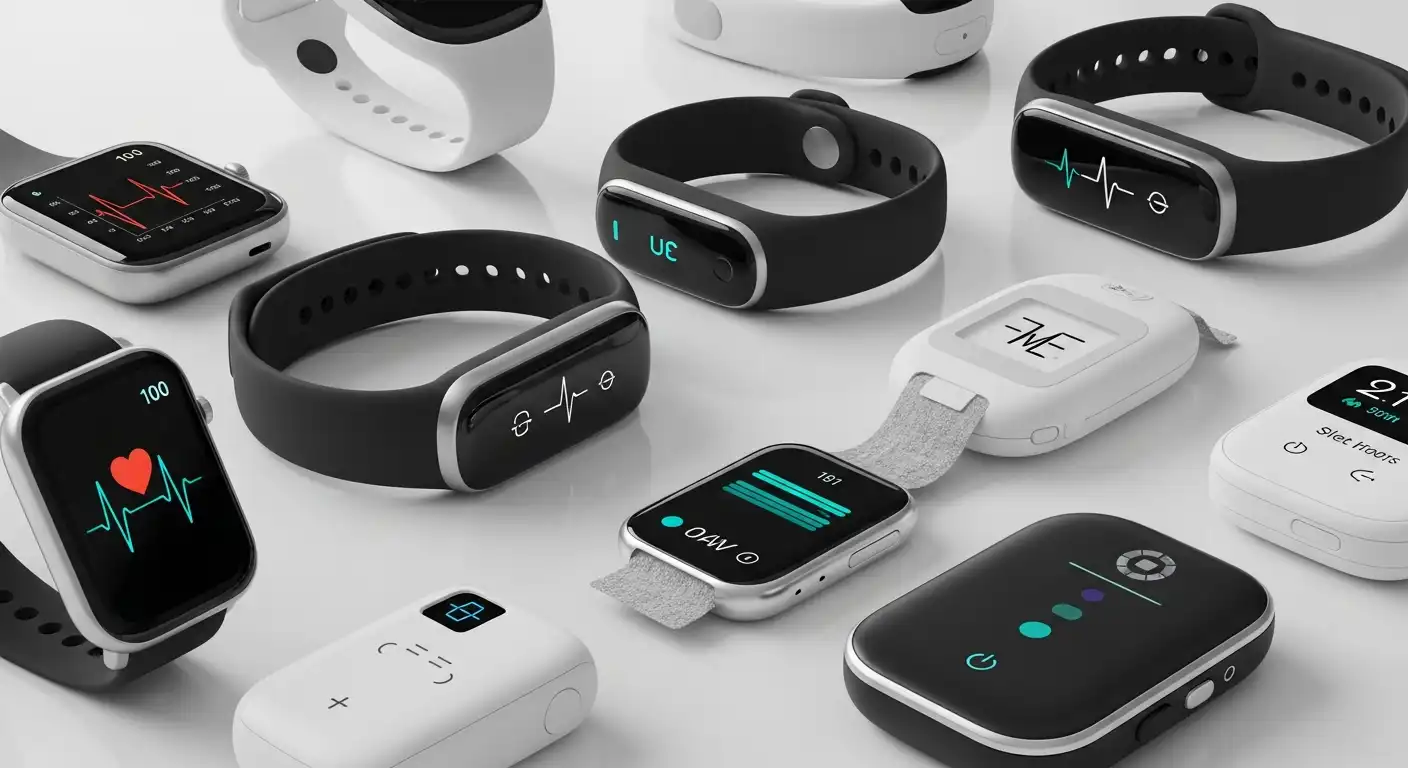
The modern time marks a profound paradigm shift in our relationship with health and technology. What began as a niche market for step-counting pedometers and basic fitness trackers has evolved into a sophisticated, mainstream ecosystem of wearable health devices powered by a new generation of intelligent sensors. These devices are no longer just accessories for wellness enthusiasts; they are becoming indispensable tools for continuous health monitoring, early disease detection, and hyper-personalized care.
As we stand at this critical juncture, the line between consumer gadget and clinical-grade medical device is blurring, ushering in an era where healthcare is proactive, not reactive; personalized, not generalized; and continuous, not episodic. This in-depth article will explore the cutting-edge landscape of wearable health devices and smart sensors, dissecting the technological innovations, diverse form factors, the role of artificial intelligence, and the monumental impact on both individual well-being and the global healthcare industry.
The Evolution of Wearables: From Step Counters to Continuous Health Monitors
The journey of wearable technology has been one of exponential advancement. From simple, single-metric devices, wearables have transformed into multi-sensor platforms capable of capturing a rich, longitudinal view of our physiological and even emotional states. This evolution has been driven by a convergence of miniaturization, improved sensor accuracy, longer battery life, and a growing consumer demand for greater control over personal health.
A Look Back: The First Wave of Fitness Trackers
The initial wave of wearables, which gained popularity in the early 2010s, was focused on a simple premise: encouraging physical activity. Devices from Fitbit, Jawbone, and others were primarily glorified pedometers, tracking steps, distance, and estimated calories burned. They introduced the concept of self-quantification to the masses and successfully gamified fitness through the use of goals, badges, and social challenges. While groundbreaking for their time, these devices offered a very limited and often inaccurate snapshot of overall health, focusing almost exclusively on activity while ignoring the vast spectrum of other vital physiological signals.
The Current State (Early 2020s): Smartwatches and Mainstream Adoption
The mid-to-late 2010s and early 2020s saw the smartwatch, led by the Apple Watch, transform the landscape. This phase was characterized by the integration of more advanced sensors and the introduction of health features that began to carry real clinical significance. Optical heart rate sensors became standard, enabling continuous heart rate tracking. The introduction of electrocardiogram (ECG) capabilities for detecting atrial fibrillation and SpO2 sensors for measuring blood oxygen saturation represented a major leap, bringing FDA-cleared, clinically relevant metrics to the consumer’s wrist. This era established wearables as credible health tools, but they still primarily functioned as passive data collectors, requiring users to interpret the data or present it to their doctors.
The Technology Leap: The Convergence of Consumer Tech and Medical Devices
We will witness the culmination of this evolution. Wearables are transitioning from passive data collectors to active platforms for managing health and wellness. The integration of revolutionary sensor technologies marks this leap: the application of sophisticated AI to interpret data in real-time and the seamless connection of this data to the broader healthcare ecosystem. Devices are no longer just for tracking fitness; they are also used to manage chronic conditions like diabetes and hypertension, predict the onset of infectious diseases, monitor mental health through physiological proxies, and provide personalized, actionable insights that empower individuals and their clinicians to make informed, proactive health decisions. This convergence is the single most important trend defining the wearable landscape.
The Heart of the Revolution: Smart Sensor Innovation
The true magic of wearables lies beneath the surface, in the microscopic, hyper-advanced sensors that can capture physiological data with unprecedented accuracy and in novel ways. The innovation is not just about making existing sensors smaller and more efficient; it’s about developing entirely new sensing modalities that unlock a deeper, more comprehensive understanding of the human body.
Optical Sensors Evolved: Beyond Heart Rate
Optical sensors, which utilize light to measure changes in blood flow (photoplethysmography or PPG), have been the workhorse of wearable devices for years. Their capabilities will have expanded dramatically beyond simple heart rate and SpO2 measurements, tackling some of the most sought-after metrics in health monitoring.
These advanced optical capabilities represent a new frontier in non-invasive monitoring:
- Cuffless Blood Pressure Monitoring: This is the holy grail of wearable technology. Through advanced PPG signal processing and sophisticated AI algorithms, wearables can provide medically accurate, on-demand blood pressure readings without the need for an inflatable cuff. This continuous monitoring capability is a game-changer for the management of hypertension, a leading cause of cardiovascular disease worldwide.
- Non-Invasive Blood Glucose Monitoring: Another monumental breakthrough, optical sensors are now capable of estimating blood glucose levels non-invasively. By analyzing how specific wavelengths of light are absorbed or scattered by glucose molecules in the interstitial fluid of the skin, these sensors offer a pain-free alternative to finger pricks and even minimally invasive CGMs for millions of people with diabetes, enabling tighter glycemic control.
- Hydration and Body Composition Analysis: Advanced optical sensors can now assess hydration status by analyzing the properties of skin tissue. Furthermore, multi-wavelength optical sensors, in combination with bioimpedance sensors, can provide detailed body composition analysis, estimating metrics like body fat percentage, muscle mass, and bone density directly from the wrist or another wearable location.
Electrochemical and Biosensors: The Rise of “Lab-on-Skin”
The most futuristic leap in sensor technology comes from the integration of electrochemical and biosensors directly into wearables. These sensors can analyze the chemical composition of bodily fluids, such as sweat, offering a window into the body’s metabolic state that was previously only accessible through blood tests. This has created a new category of devices often referred to as “lab-on-skin.”
These biosensors provide real-time biochemical insights that are transforming personalized health:
- Real-Time Sweat Analysis: Smart patches and advanced wrist-worn devices are equipped with microfluidic channels that capture and analyze minute amounts of sweat. These sensors can measure key biomarkers in real-time, including electrolytes (such as sodium and potassium) to optimize hydration in athletes, lactate levels to monitor muscle fatigue, and cortisol levels to quantify stress objectively.
- Minimally Invasive Continuous Glucose Monitors (CGMs): While optical glucose monitoring is emerging, minimally invasive CGMs have become smaller, more accurate, and more integrated. These devices use a tiny, flexible filament inserted just under the skin, paired with an on-body patch that continuously measures glucose in the interstitial fluid and transmits the data to a smartwatch or phone, forming closed-loop systems with insulin pumps for automated diabetes management.
- Metabolite and Hormone Tracking: Beyond glucose, these biosensors are being developed to track a range of other metabolites and hormones. This includes monitoring uric acid levels for gout management, tracking alcohol consumption, and detecting specific biomarkers that may indicate the presence of inflammation or disease.
Acoustic and Mechanical Sensors: Listening to the Body
The body is a symphony of acoustic and mechanical signals, and wearables will be equipped with advanced sensors capable of listening in and interpreting these signals with incredible fidelity. Advanced accelerometers, gyroscopes, and newly integrated micromachined ultrasonic transducers (pMUTs) are providing insights into both movement and internal bodily functions.
These sensors capture a new dimension of physiological and biomechanical data:
- Advanced Gait and Biomechanical Analysis: High-fidelity motion sensors in smart shoes, insoles, or even leg-worn patches can perform detailed gait analysis. This technology is used to improve running form for athletes, detect early signs of neurodegenerative diseases such as Parkinson’s or Multiple Sclerosis, and monitor patient recovery after orthopedic surgery.
- Continuous Cough and Snore Detection: By integrating tiny microphones with sophisticated, on-device AI for sound recognition, wearables can continuously monitor for and classify different types of coughs, providing early warning signs of respiratory illness. They can also analyze snoring patterns to screen for conditions like sleep apnea.
- Internal Body Sounds: The integration of digital stethoscopes and acoustic sensors enables wearables to detect the sounds of the heart and lungs. AI algorithms can analyze these sounds to detect heart murmurs, arrhythmias, or signs of lung congestion, flagging potential issues for clinical follow-up long before they become symptomatic.
Graphene and Flexible Electronics: The Key to Invisible Wearables
Underpinning many of these sensor innovations is a revolution in materials science. Graphene and other flexible electronic materials are the key enablers for creating wearables that are truly seamless, comfortable, and almost invisible. These materials enable the printing of sensors and circuits onto thin, flexible, skin-like substrates.
The use of these advanced materials is fundamentally changing the form and function of wearables:
- Ultra-Thin Electronic “Tattoos”: These are flexible, breathable patches that adhere directly to the skin, resembling temporary tattoos. They can be equipped with a range of sensors (ECG, temperature, hydration). They can be worn comfortably for days or even weeks at a time, providing continuous, high-fidelity data without the bulk of traditional devices.
- Smart Textiles and Connected Clothing: Graphene-based conductive threads can be woven directly into fabric, turning everyday clothing into powerful health monitors. We see ECG-monitoring shirts for athletes and cardiac patients, smart socks that monitor pressure points on the feet of diabetic patients to prevent ulcers, and even posture-correcting smart bras and shirts.
- Enhanced Durability and Comfort: Flexible electronics make devices more durable and conform better to the human body, improving both user comfort and the quality of the sensor signal, as better skin contact leads to more accurate readings.
The Form Factors: Beyond the Wrist
While the smartwatch remains a central hub for the wearable ecosystem, nowadays are characterized by a diversification of form factors. The understanding that different locations on the body are better suited for measuring various physiological signals has led to an increase in specialized devices that move beyond the wrist, offering users more choice, discretion, and specialized functionality.
Smart Rings: Discreet Powerhouses
Smart rings, such as the Oura Ring, have carved out a significant niche by providing highly accurate sleep and recovery data in a discreet, comfortable form factor. Smart rings will have become even more powerful, integrating a wider array of sensors. Because the finger is an excellent location for measuring clear PPG signals and body temperature, rings are becoming a preferred form factor for users primarily interested in sleep tracking, stress management, illness detection, and fertility tracking, without the distractions of a smartwatch screen.
Hearables and Smart Earbuds: The In-Ear Health Hub
The ear is emerging as a prime location for health monitoring. “Hearables”—smart earbuds and hearing aids—are equipped with a suite of health sensors. The ear canal is a stable and dark environment, ideal for accurate optical heart rate sensing. It’s also one of the best places on the body to measure core body temperature. Hearables can track heart rate, temperature, and even perform basic electroencephalography (EEG) to monitor brainwave activity for focus and meditation, seamlessly integrating health tracking into the audio-listening experience.
Smart Patches and Electronic Tattoos: The Ultimate in Adherence
For continuous monitoring of specific conditions, smart patches are becoming the gold standard. These single-use or reusable adhesive patches are designed to be worn for several days or weeks at a time, providing a constant stream of data for a specific purpose. This form factor is ideal for post-operative recovery monitoring, continuous ECG tracking for cardiac patients, and, most notably, for CGM systems in diabetes management. Their “set it and forget it” nature dramatically improves patient adherence compared to devices that require daily wear and charging.
Smart Textiles and Connected Clothing: Weaving Health into Life
Smart clothing represents the ultimate vision of ambient, invisible health monitoring. By weaving sensors and conductive fibers directly into garments, health tracking becomes an effortless and automatic part of daily life. This market will have matured beyond its niche in athletic apparel. We see posture-correcting shirts that provide haptic feedback, smart socks that can predict the formation of diabetic foot ulcers, and even smart baby onesies that continuously monitor an infant’s breathing, temperature, and position.
The Brains Behind the Brawn: AI, Data Analytics, and Personalized Insights
Collecting mountains of high-fidelity data is only the first step. The true value of wearables is unlocked by the sophisticated Artificial Intelligence (AI) and machine learning algorithms that run both on the device and in the cloud. These algorithms are the “brains” that turn raw, noisy sensor data into meaningful, actionable, and personalized health insights.
From Raw Data to Actionable Insights: The Role of AI Algorithms
Individual data points from a wearable have limited value. It’s the patterns, trends, and correlations over time that matter, and this is where AI excels. AI algorithms are trained on massive datasets to recognize subtle patterns in physiological data that are invisible to the human eye. For example, an AI can analyze tiny, beat-to-beat variations in your heart rate (HRV) throughout the night to provide a detailed, nuanced score of your sleep quality and nervous system recovery, going far beyond simple sleep duration. It can differentiate between a high heart rate caused by exercise versus one caused by emotional stress or the onset of an illness.
Predictive Analytics: Foreseeing Health Events Before They Happen
The most transformative application of AI in wearables is predictive analytics. By continuously analyzing an individual’s unique baseline, AI models can detect subtle deviations that may signal the impending onset of a health issue, often days before the individual feels any symptoms.
This predictive capability is being applied in several groundbreaking ways:
- Infectious Disease Detection: AI algorithms can detect the onset of illnesses like influenza or COVID-19 by identifying characteristic changes in respiratory rate, heart rate variability, and skin temperature.
- Cardiovascular Event Prediction: By analyzing long-term trends in ECG, blood pressure, and activity data, AI can assess an individual’s risk of future cardiovascular events, such as a stroke or heart attack, prompting preventive interventions.
- Mental Health Monitoring: While wearables can’t read thoughts, they can monitor the physiological signatures of mental health conditions. AI can analyze patterns in sleep, activity levels, heart rate variability, and even social interaction (via smartphone data) to detect signs of depression or anxiety.
The Digital Twin: A Personalized Health Simulator
A more advanced concept gaining traction is the “digital twin.” This involves creating a dynamic, virtual model of an individual’s body using all the data collected from their wearables, electronic health records, and genomic data. This digital twin can be used to simulate the potential effects of a new medication, a change in diet, or a new exercise regimen, enabling truly personalized and preventive health planning. It’s a way to test “what-if” scenarios on a virtual you before implementing them in real life.
Hyper-Personalization: Nudges, Coaching, and Just-in-Time Interventions
The ultimate goal of the AI engine is to close the loop from insight to action. Wearables will not just tell you what’s wrong; they will actively coach you to be healthier. AI-powered “health coaches” deliver hyper-personalized advice and “nudges” at just the right moment. For example, if your stress-monitoring patch detects a spike in cortisol and a drop in HRV, your device might suggest a five-minute breathing exercise. If your glucose sensor detects a trend towards hyperglycemia, it may suggest taking a short walk. This just-in-time, contextual intervention is what makes wearable technology a powerful tool for behavior change.
The Ecosystem of Connected Health: Integration and Interoperability
For wearables to achieve their full potential, they cannot exist in a vacuum. The focus has shifted towards creating a seamless, interconnected ecosystem where wearable data flows securely and intelligently between the individual, their clinicians, and even their environment, creating a holistic and responsive health management system.
Tearing Down the Walled Gardens: The Push for Data Portability
A major challenge of the past was data silos, where health data was locked into a specific company’s app (e.g., Apple Health, Google Fit, Fitbit). There will be a strong push, driven by both consumer demand and regulation, for greater data portability and interoperability. New standards, such as Fast Healthcare Interoperability Resources (FHIR), are making it easier for individuals to securely share their wearable-generated data with their electronic health records (EHRs), providing clinicians with a much richer and more continuous view of their patients’ health between visits.
The Doctor’s New Toolkit: Remote Patient Monitoring (RPM) at Scale
Remote Patient Monitoring (RPM) has evolved from a niche service to a standard of care for managing chronic diseases. Clinicians can now “prescribe” specific wearables or smart patches to their patients with conditions like heart failure, COPD, or diabetes. The continuous stream of data from these devices is monitored via a clinical dashboard, often with the aid of AI that flags concerning trends, enabling healthcare teams to intervene early, adjust medications remotely, and prevent costly and potentially dangerous hospitalizations. This is one of the most significant ways wearables are impacting the healthcare system, improving outcomes while reducing costs.
Integration with Smart Homes and Environments
The connected health ecosystem extends beyond the clinic and into our daily lives. Wearable devices are expected to start interacting with smart home devices. For example, your sleep tracker could automatically adjust the temperature and lighting in your bedroom to optimize your sleep environment. Your stress monitor could trigger your smart speaker to play calming music. This ambient, automated environmental control based on real-time physiological data represents the next frontier in creating healthy living spaces.
Navigating the Challenges: The Hurdles to Ubiquitous Adoption
Despite the incredible technological advancements, the path to ubiquitous adoption of advanced health wearables is not without significant challenges. Stakeholders across the industry will be actively working to address critical issues related to privacy, regulation, accuracy, and equity.
Data Privacy and Security: The Foremost Concern
As wearables collect an unprecedented amount of sensitive personal health information, data privacy and security have become the paramount concern. Consumers and regulators are asking critical questions: Who owns this data? How is it being used? How is it being protected from cyberattacks? Building trust requires transparent privacy policies, robust end-to-end encryption, and giving users granular control over how and with whom their data is shared.
Regulatory Hurdles: FDA, CE, and the Path to Clinical Validation
There is a critical distinction between a “wellness device” and a “medical device.” For a wearable device to be used for diagnosing or treating a disease, it must undergo rigorous testing and receive clearance or approval from regulatory bodies, such as the U.S. Food and Drug Administration (FDA), or obtain a CE mark in the European Union. The regulatory pathways for these new digital health technologies are complex and evolving, posing a significant challenge for manufacturers seeking to make clinical claims.
Accuracy, Reliability, and the “Signal vs. Noise” Problem
For clinicians to trust and act upon wearable data, it must be accurate and reliable. Ensuring clinical-grade accuracy in a consumer device that is worn in highly variable real-world conditions is a major engineering challenge. Manufacturers must solve the “signal versus noise” problem by developing algorithms that can filter out motion artifacts and other noise to provide a clean and trustworthy physiological signal. This also involves managing the risk of false positives, which can create unnecessary anxiety for users and burden the healthcare system.
The Digital Divide: Ensuring Equitable Access
There is a significant risk that these powerful new health technologies could exacerbate existing health inequalities. High-end wearables are expensive, often require a paired smartphone and a reliable internet connection, and demand a certain level of digital literacy to use effectively. Ensuring that the benefits of wearable health technology are accessible to all, including older adults, low-income populations, and those in rural areas, is a critical societal challenge that requires thoughtful solutions around affordability, usability, and education.
Battery Life and Power Management: The Unsung Hero
The single most practical barrier to adoption remains battery life. As more and more powerful sensors and processors are packed into smaller devices, power consumption increases. A device that requires daily charging can lead to poor adherence to the treatment regimen. The unsung hero of the wearable revolution is the continuous innovation in low-power electronics and more efficient battery technology, which is essential for enabling the multi-day, continuous monitoring that makes these devices so powerful.
Conclusion
The world of wearable health devices and smart sensors is a world transformed. We have moved far beyond the novelty of counting steps into a new reality of continuous, proactive, and deeply personalized health management. The convergence of revolutionary sensor technology, powerful artificial intelligence, and an increasingly interconnected digital health ecosystem has placed an unprecedented amount of health agency into the hands of individuals.
These devices are empowering us to become active participants in our own health journey, providing the insights we need to optimize our well-being, manage chronic conditions more effectively, and catch potential health issues before they become critical. While significant challenges remain regarding privacy, regulation, and equity, the trajectory is clear. The wearable device on your body is more than just a piece of technology; it is your personal health guardian, a continuous connection to your clinician, and a compass for navigating a healthier life. It represents the dawn of a new era where healthcare is truly, finally, all about you.