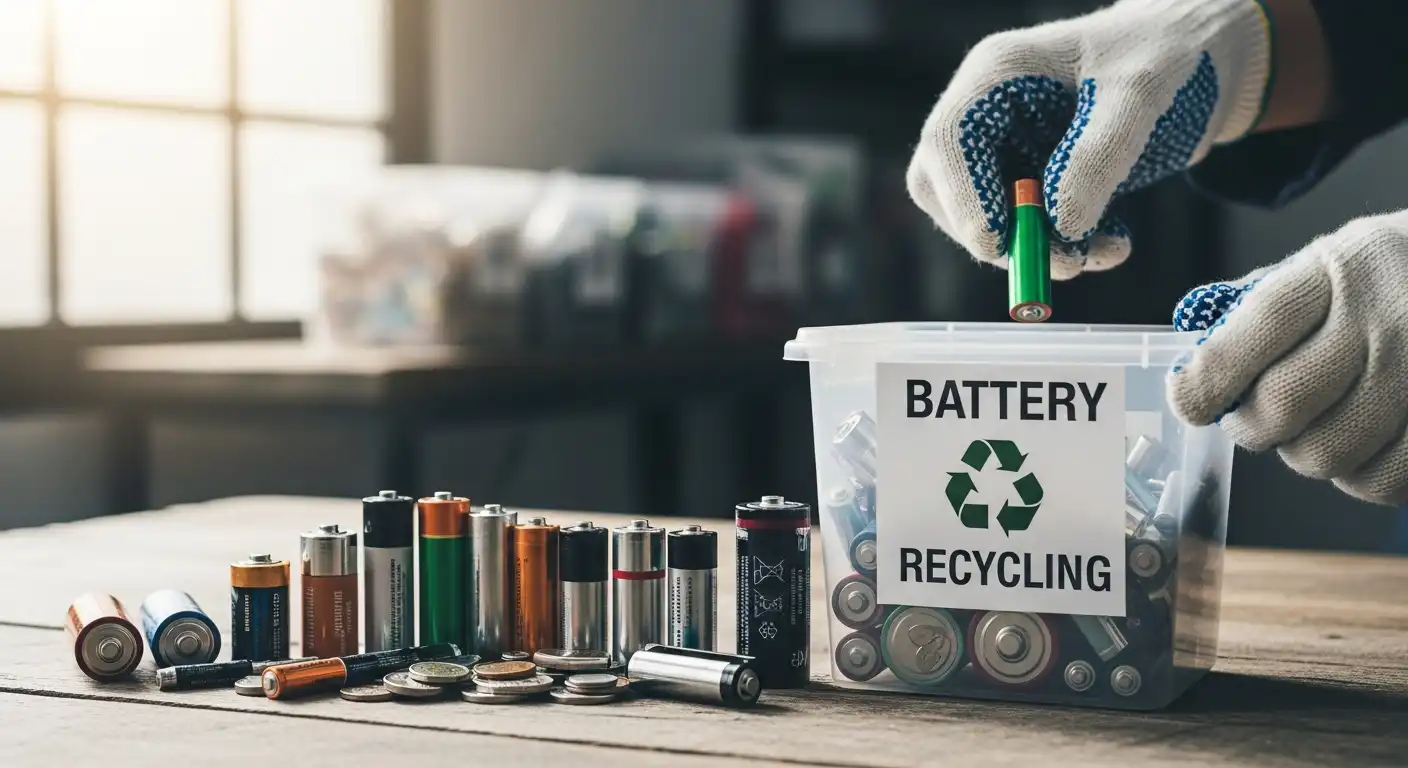
The electric revolution is here. Millions of electric vehicles are hitting the roads, and billions of us carry powerful lithium-ion batteries in our pockets every day. This is a fantastic leap forward for technology, but it’s creating a problem we are only just beginning to face: a coming tsunami of dead batteries. We’ve become obsessed with the first life of a battery, but the second life—what happens when it dies—is where the real revolution will happen.
The Old Way: Brute Force and Lost Potential
Until recently, “recycling” a lithium-ion battery was a crude and dirty business. The most common method, known as pyrometallurgy, is essentially a brute-force approach. You shred the batteries and then smelt them in a giant, incredibly hot furnace. This process is highly energy-intensive, and it’s like burning down a library to save just a few of the most valuable books. You can recover some of the cobalt and nickel, but the lithium, manganese, and graphite—all critical ingredients—are often lost in the slag. It’s better than a landfill, but not by much.
A Smarter, Cleaner Approach
This is where the hope lies. A new generation of recycling technologies is emerging that is smarter, cleaner, and far more efficient. The leading method, called hydrometallurgy, skips the furnace entirely. Instead, it uses a chemical bath to dissolve the shredded battery materials, allowing recyclers to extract the valuable metals selectively. This pextractan recovers over 95% of the materials, including high-purity lithium, which the conventional smelting process would otherwise lose. It’s like burning the library and more like carefully disassembling it, saving every single page.
From Trash Heap to Gold Mine
The best part about this new technology is that it’s not just an environmental dream; it’s a massive economic opportunity. Mining for new lithium and cobalt is incredibly expensive and environmentally destructive; high-tech recycling creates a resource for these same materials. Experts call this “urban mining.” The most valuable reference of the 21st century won’t be a giant pit in the ground; it will be the collection of every dead smartphone and old EV battery pack in the country. This creates jobs, secures our supply chain, and is ultimately cheaper than digging new stuff out of the Earth.
Building a Truly Circular Economy
This is the key to making our electric future truly sustainable. A world where we mine, use, and then throw away batteries is not a solution; it’s just trading one problem for another. A world where we can efficiently recycle those batteries creates a closed-loop system. The cobalt from your first-generation smartphone could end up in the battery of your future electric car. The lithium from a ten-year-old EV could be used to power the next generation of grid energy storage. This is what a real circular economy looks like.
The Missing Piece of the Puzzle
The first wave of the battery revolution was about building better, more powerful batteries. The second wave, which we are just entering now, will be about what we do with them afterward. These new recycling technologies are the missing piece of the puzzle. They have the potential to solve the biggest environmental and ethical problems associated with our electric future. This isn’t just a hopeful idea; it’s the necessary next step in building a cleaner, more sustainable world.