Key Points:
- The World Health Organization declared the Ebola outbreak in the Democratic Republic of Congo and Uganda a global health emergency.
- The rare Bundibugyo ebolavirus strain currently has no approved vaccines or treatments, making the outbreak difficult to control.
- Official data shows 8 confirmed cases, 336 suspected infections, and 87 suspected deaths in the Congo as of May 16.
- Health officials plan to test experimental vaccines from Moderna and Oxford University to fight the spreading virus.
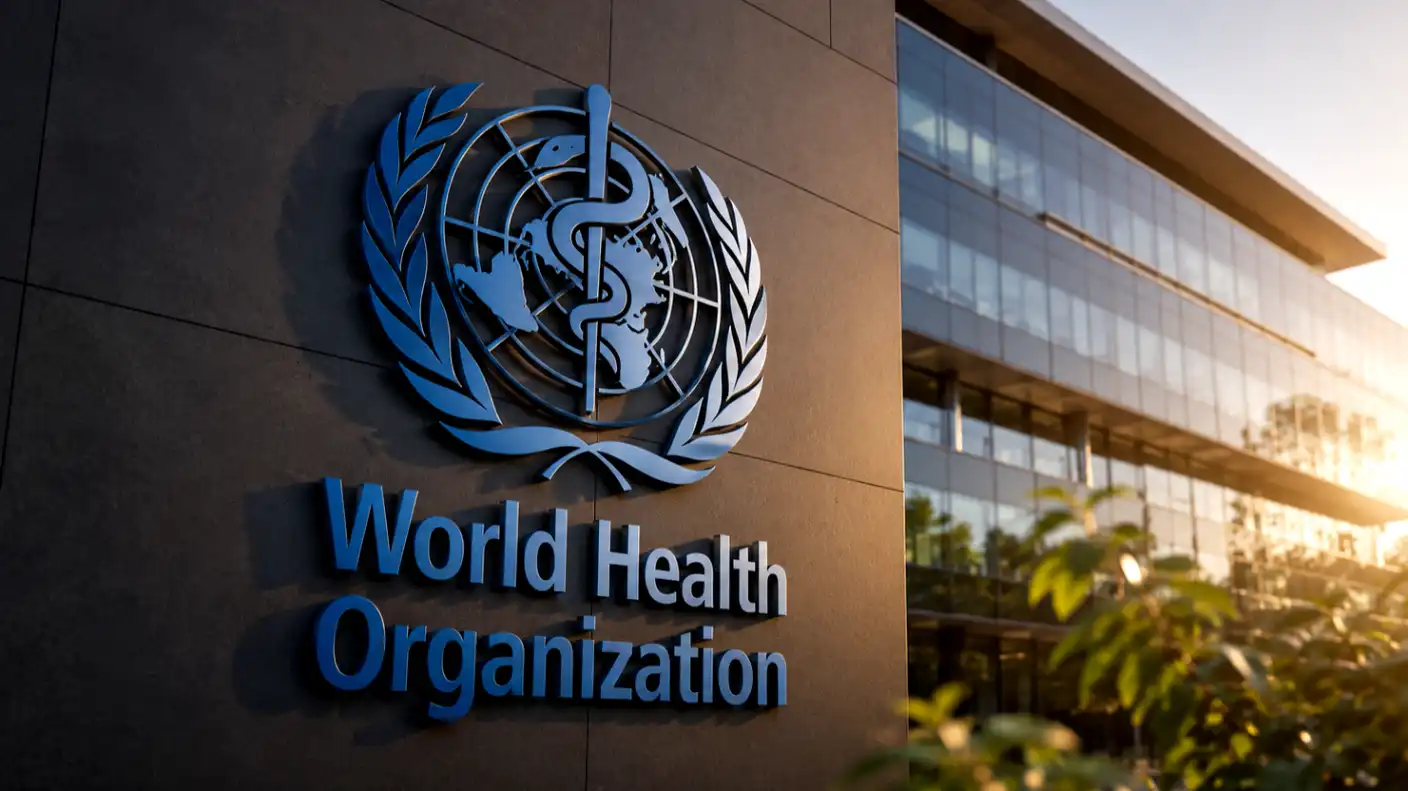
The World Health Organization officially declared the ongoing Ebola outbreak in the Democratic Republic of Congo and Uganda a public health emergency of international concern on Sunday. Bloomberg News first reported the warning, highlighting a very serious situation developing in Central Africa. The agency stated that a rare viral strain is currently circulating through the population, and doctors have no approved vaccines or treatments to stop it. Experts fear the virus has already spread much wider than current detection methods show.
This specific outbreak stems from the rare Bundibugyo ebolavirus strain. The situation finally met the strict threshold for the highest level of alarm because the virus recently crossed international borders. Doctors also noted unexplained clusters of deaths in various communities. Furthermore, health officials face significant uncertainty about the true scale of the epidemic, which could quickly spiral out of control if left unchecked.
The emergency declaration arrived shortly after doctors formally confirmed Ebola cases in two major African cities. Patients tested positive in Kampala, the capital city of Uganda, and in Kinshasa, the massive capital of Congo that houses roughly 20 million people. This dangerous geographic expansion proves that the virus traveled far beyond the remote mining region where health workers first identified infections.
World Health Organization Director-General Tedros Adhanom Ghebreyesus described the escalating situation as extraordinary. He pointed out several factors that make this specific outbreak incredibly dangerous. First, there are no approved vaccines or therapeutics specifically designed for the Bundibugyo strain. Second, ongoing armed conflicts and persistent security issues in eastern Congo make it nearly impossible for medical teams to reach infected patients safely. Finally, preliminary evidence strongly suggests the outbreak is significantly larger than the official numbers report.
The raw numbers continue to climb every day. As of May 16, health authorities in Congo recorded 8 laboratory-confirmed cases. However, the Africa Centers for Disease Control and Prevention is also tracking a massive 336 suspected infections and 87 suspected deaths in the Ituri province alone. The gap between confirmed cases and suspected deaths highlights how difficult it is to test patients in remote, conflict-ridden areas.
The virus also struck neighboring Uganda. Health officials there confirmed 2 active cases right in the middle of Kampala. Both patients recently traveled into the city after arriving from the Congo, and 1 of those travelers unfortunately died from the disease. The medical community also suffered heavy losses. At least 4 healthcare workers died recently under circumstances that match the symptoms of a viral hemorrhagic fever, suggesting they caught the virus while treating sick patients.
Despite the virus’s terrifying nature, the World Health Organization strongly advised against closing international borders. The agency also pushed back against imposing strict travel and trade restrictions. Health officials argue that closing borders simply does not work during these types of outbreaks. When governments shut down official border checkpoints, desperate people just cross the border through hidden, unmonitored paths in the jungle. This makes it completely impossible for health workers to track the virus.
Instead of locking down countries, the agency wants immediate medical action. Health leaders called for urgent clinical trials of experimental vaccines and brand-new therapeutics. Doctors and researchers are currently evaluating several potential treatments to see whether they can slow the virus. Medical teams want to test monoclonal antibodies and the antiviral drug remdesivir, developed by Gilead Sciences. While doctors use these drugs for other illnesses, no regulatory body has approved them specifically for the treatment of Bundibugyo infections.
The medical community also places high hopes on new vaccine technology. Experimental vaccine candidates currently sit under strict regulatory review. Scientists at Moderna and researchers at Oxford University developed these new shots, hoping they can provide a shield against the rare virus strain. If regulators approve the clinical trials quickly, doctors can start giving these experimental shots to frontline healthcare workers and people living in the hardest-hit communities.
Over the coming weeks, global health teams will pour resources into the Congo and Uganda. They must set up secure testing facilities, supply local hospitals with protective gear, and track down anyone who came into contact with infected patients. Winning the fight against the Bundibugyo strain requires massive international cooperation and rapid medical breakthroughs before the virus reaches even more densely populated cities.