Samsung Electronics Co., Ltd. (KRX: 005930) is a South Korean multinational electronics company and a global leader in technology and innovation. Founded in 1969 as a subsidiary of the Samsung Group, the company has become one of the world’s largest manufacturers of consumer electronics, semiconductors, and telecommunications equipment. This article outlines the significant milestones in Samsung Electronics’ history, tracing its evolution from a small trading company to a dominant force in the global technology market.
Founding and Early Years (1969–1980)
Samsung Electronics was established on January 13, 1969, in Suwon, South Korea, as a subsidiary of the Samsung Group, originally a trading company founded by Lee Byung-chul in 1938. Initially, Samsung Electronics focused on producing consumer electronics, such as black-and-white televisions and home appliances.
The company’s first significant product was a black-and-white television launched in 1970. Throughout the 1970s, Samsung expanded its product line to include other electronics, such as washing machines and refrigerators. The South Korean government’s push for industrialization during this period significantly supported Samsung’s growth, laying the foundation for its future success.
Diversification and Global Expansion (1980–1990)
In the 1980s, Samsung Electronics diversified its product offerings, entering the semiconductor market. The company invested heavily in research and development, resulting in significant advances in memory chip technology. By the mid-1980s, Samsung had become a major player in the global semiconductor industry, producing DRAM (dynamic random-access memory) chips that powered computers and other devices.
During this time, Samsung also began its global expansion, establishing subsidiaries and joint ventures in various countries. The company opened its first overseas manufacturing facility in the United States in 1984, thereby strengthening its international presence.
Leadership in Consumer Electronics (1990–2000)
By the 1990s, Samsung Electronics had established itself as a leader in consumer electronics, particularly in the production of color televisions, mobile phones, and home appliances. The company introduced its first color TV in 1990, followed by a range of innovative products, including the world’s first 3D television in 1999.
In 1993, Samsung launched its first mobile phone, entering the rapidly growing telecommunications market. The company’s commitment to innovation and quality enabled it to gain a significant share of the global mobile phone market, making it one of the leading manufacturers worldwide.
Focus on Innovation and Design (2001–2010)
In the 2000s, Samsung Electronics intensified its focus on innovation and design, investing heavily in research and development. The company introduced the Samsung Galaxy smartphone series in 2010, which would become a cornerstone of its success in the mobile industry.
Samsung’s marketing strategy also evolved during this period, emphasizing design aesthetics and user experience. The company’s commitment to quality and state-of-the-art technology enabled it to compete effectively with rivals such as Apple and Nokia. By the decade’s end, Samsung had become the world’s largest smartphone manufacturer, capturing a significant share of the market.
Challenges and Restructuring (2011–2014)
Despite its success, Samsung faced several challenges in the early 2010s. The intense competition in the smartphone market led to declining profits, and the company struggled with legal battles, particularly with Apple over patent infringement claims. In response, Samsung undertook a significant restructuring effort to improve efficiency and reduce costs.
In 2013, Samsung introduced the Galaxy S4, which received widespread acclaim and helped revitalize the company’s smartphone sales. The company also expanded its focus on wearables and smart home technology, introducing products like the Samsung Galaxy Gear smartwatch.
Commitment to Sustainability and Corporate Responsibility (2015)
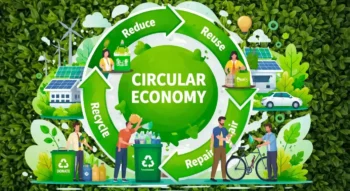
In 2015, Samsung Electronics launched its global sustainability initiative to reduce its environmental impact and promote responsible business practices. The company set ambitious goals to improve energy efficiency in its products, reduce greenhouse gas emissions, and enhance recycling efforts.
Samsung also emphasized corporate social responsibility, engaging in various initiatives to support education, access to technology, and community development—these efforts aimed to enhance the company’s reputation and strengthen its commitment to sustainable growth.
Advancements in 5G and AI Technology (2016–2018)
As technology has evolved, Samsung has become a leader in 5G and artificial intelligence (AI). In 2016, the company announced its plans to develop 5G networks and began investing in research and development for next-generation wireless technology.
In 2018, Samsung launched its first 5G-capable smartphone, the Galaxy S10 5G, marking a significant milestone in its efforts to lead in the telecommunications market. The company also integrated AI capabilities into its products, enhancing user experiences and enabling more intelligent devices.
COVID-19 Response and Adaptation (2020)
The COVID-19 pandemic posed significant challenges for companies worldwide, and Samsung Electronics responded by prioritizing employee safety and adapting to changing market conditions. The company implemented remote work policies and enhanced its health and safety measures in manufacturing facilities.
Despite the challenges, Samsung saw increased demand for consumer electronics, particularly home appliances, as people spent more time at home during lockdowns. The company adapted its supply chain to meet this demand and developed remote-work solutions and smart-home technologies.
Ongoing Innovations and Product Launches (2021–2022)
In 2021 and 2022, Samsung Electronics continued to innovate and expand its product lineup. The company launched the Galaxy Z Fold and Galaxy Z Flip series of foldable smartphones, demonstrating its commitment to advancing mobile technology.
Samsung also made significant advancements in display technology, introducing its QLED and MicroLED television lines. The company’s focus on sustainability remained a priority, with initiatives aimed at reducing plastic usage and improving energy efficiency in its products.
The Future of Samsung Electronics: Innovation and Market Leadership (2023 and Beyond)
Looking forward, Samsung Electronics is poised to maintain its leadership position in the global technology market. The company remains committed to innovation, investing in emerging technologies such as artificial intelligence, 5G, and the Internet of Things (IoT).
Samsung’s focus on sustainability and corporate responsibility will continue to shape its strategy. The company seeks to minimize its environmental impact and contribute positively to society. By leveraging its technological expertise and commitment to quality, Samsung aims to empower consumers and businesses, driving progress and transformation in the digital age.
Samsung Electronics Co., Ltd. has evolved from a small electronics manufacturer to a global technology powerhouse. Through its commitment to innovation, quality, and sustainability, Samsung continues to shape the future of technology and remains a trusted brand for consumers and enterprises worldwide.