Key Points:
- North Korea hosted a massive trade fair featuring more than 290 companies from six different countries.
- The event highlighted the new Jindallae smartphone, though experts believe Chinese companies actually manufacture the devices.
- Citizens use these phones on a restricted domestic network that allows the government to monitor user activity closely.
- The isolated nation reported 6.35 million mobile phone subscriptions at the end of 2022 despite strict international sanctions.
North Korea welcomed foreign business leaders and tourists to a major trade fair in its capital city this week. The isolated government used the event to show off a variety of homegrown consumer goods to the outside world. The highlight of the technology showcase was the newest version of the sleek Jindallae smartphone.
The Pyongyang Spring International Trade Fair is the largest commercial event in the country. Images from the exhibition hall on Monday showed visitors walking past brightly lit stalls filled with consumer items. State media outlets reported that more than 290 enterprises set up official booths. Business representatives traveled from Russia, China, Mongolia, Switzerland, and Thailand to display their goods, though government officials refused to say exactly how many people attended the gathering.
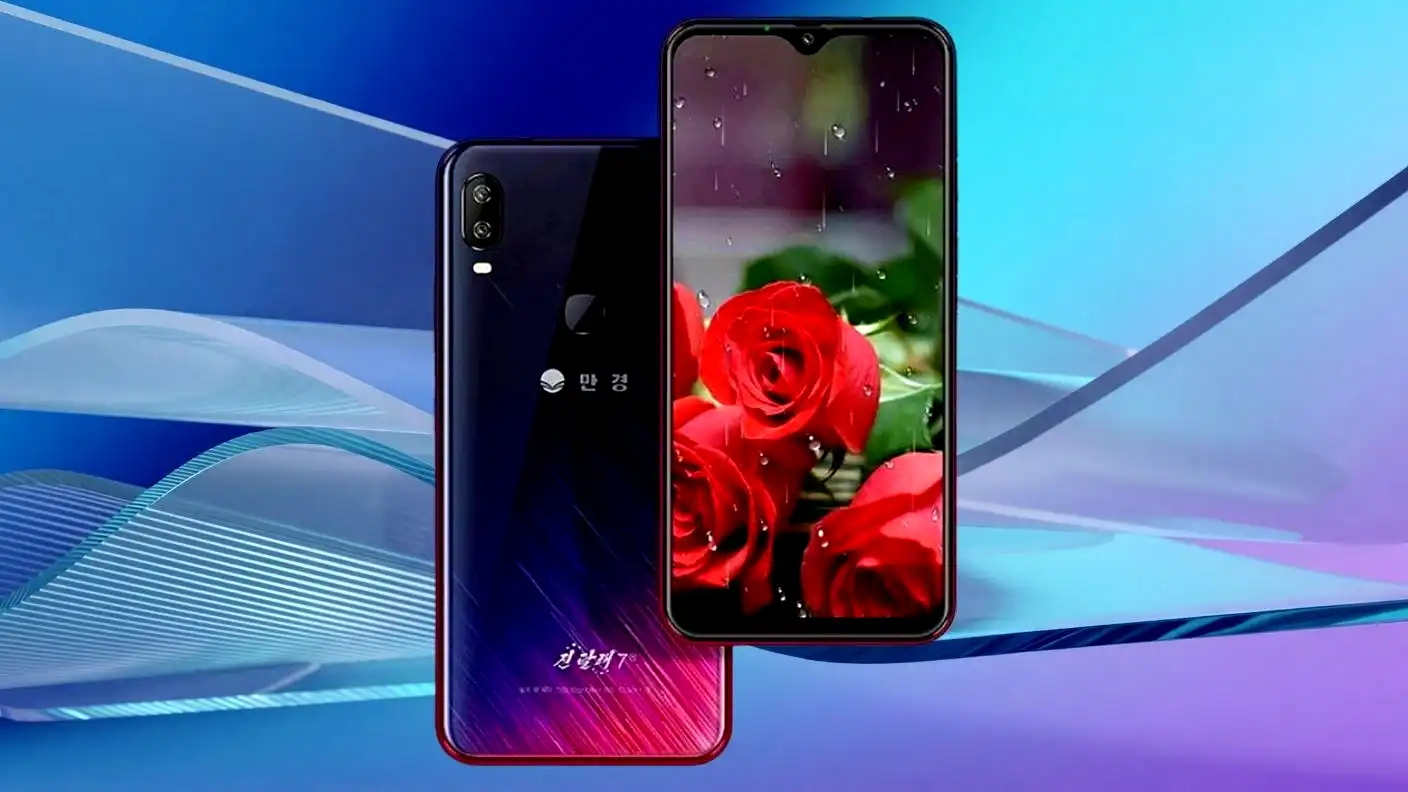
The Jindallae, a brand name that translates to “azalea” in Korean, attracted plenty of attention at the electronics tables. The government promoted the device as a modern and convenient way for citizens to talk to their families and stay connected. The newest phones come in several bright colors and feature a large circular camera module on the back that holds multiple lenses. South Korean news agencies noted that the current model looks almost identical to the version the country released last year. Pyongyang first launched the smartphone brand back in 2017.
Despite the flashy presentation at the trade fair, international experts seriously doubt that North Korea actually builds these smartphones. The country suffers from an aging and broken manufacturing base. It also faces harsh international sanctions over its controversial nuclear weapons program. These strict limits make it incredibly difficult for local factories to secure the high-quality parts needed to produce modern consumer technology from scratch.
Technology researchers believe the real source of these sleek devices sits just across the border. A 2024 report by North Korea scholar Martyn Williams explained that Chinese companies likely manufacture the physical phones. The Chinese factories then ship the finished hardware over the border, where North Korean officials simply slap a local brand name on the back. The government runs this import scheme even though the United Nations sanctions completely ban foreign companies from selling mobile phone hardware to North Korea.
For the people buying these phones inside North Korea, the devices do not offer true digital freedom. The vast majority of the country’s 25 million citizens cannot access the global internet. Instead, the smartphones connect only to a highly restricted national intranet. The ruling government strictly controls every website, news article, and message that moves across this closed domestic network.
Authorities also turn these mobile phones into powerful spy tools to watch over the general public. North Korea is one of the most heavily surveilled societies on the planet. A recent investigation by the BBC revealed that the internal software forces the phones to take secret screenshots of user activity at random times. The operating system then hides these images deep inside system folders that only government security officers can access and review.
Even with this extreme level of state spying, cell phone ownership continues to grow rapidly inside the country. The International Telecommunication Union reported that North Korea had 6.35 million active mobile phone subscriptions at the end of 2022, the most recent year for which data is available. Alongside the popular Jindallae brand, citizens also buy phones from local competitors. Other state-approved brands include Arirang, named after a famous traditional folk song, and Phurunhanal, a phrase that means “blue sky.”
The sudden burst of consumer activity at the Pyongyang trade fair points to a slight improvement in the broader national economy. South Korean intelligence authorities announced last month that they believe the long-struggling North Korean economy is finally starting to recover. They credit this financial boost directly to the strengthening political and military ties between Pyongyang and Moscow.
North Korea has actively supported the Russian military campaigns by sending thousands of soldiers and massive shipments of artillery ammunition to the front lines. In return for this military help, international analysts say Russia sends vital economic, military, and technical assistance right back to Pyongyang. This steady flow of Russian aid provides the isolated regime with the money and resources it needs to keep domestic markets running and host large international events.