Key Points:
- Elon Musk plans to spend up to $119 billion on a new chip manufacturing plant in East Texas.
- SpaceX, Tesla, and xAI will jointly build the facility, and xAI will merge into SpaceX to form SpaceXAI.
- Intel joined the project to produce chips using its new 14A process, causing its stock to double.
- The strategy aims to secure a steady chip supply and avoid geopolitical risks associated with overseas foundries.
Elon Musk is preparing to build a massive semiconductor manufacturing plant in East Texas. The ambitious project will cost at least $55 billion for the initial phase alone. If Musk completes the entire buildout, the total investment will reach a staggering $119 billion. Officials in Grimes County, Texas, revealed these capital investment estimates in a public hearing notice on Wednesday. SpaceX is currently leading the effort and actively seeking a property tax abatement agreement from the local government.
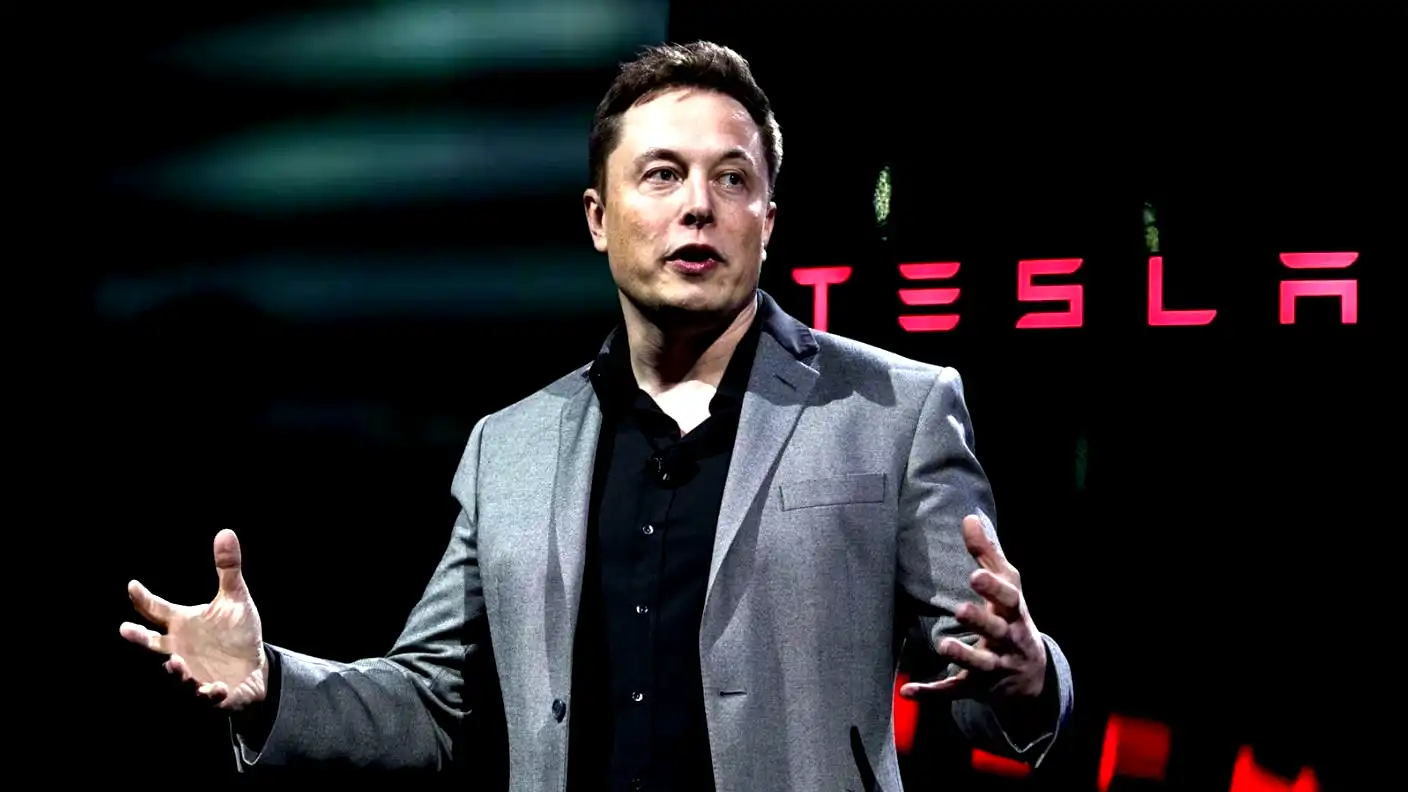
Grimes County will hold a public hearing on June 3 to evaluate and vote on these proposed tax breaks. If approved, the county will become home to what Musk calls the Terafab project. Musk, who serves as the chief executive of Tesla, officially launched this initiative in March. He wants Terafab to stand as the most epic chip-building effort in history. His design combines logic, memory, and advanced packaging all under a single roof.
The new facility will sit just outside of Austin and produce chips specifically for Musk’s network of companies. SpaceX, Tesla, and xAI will join forces to construct the complex. In a massive corporate shift, Musk announced on X that he will dissolve xAI as an independent business. Instead, he will merge the artificial intelligence startup directly into his aerospace company. The new combined entity will operate under the name SpaceXAI.
This corporate merger creates a colossal business entity. Financial reports recently valued the newly combined SpaceXAI at $1.75 trillion. These financial details are surfacing because SpaceX quietly filed confidential paperwork for an initial public offering in April. Investors expect the public offering to launch in the coming months. As these financial plans take shape, SpaceX will take full responsibility for managing the initial phase of the scaled-up Terafab facility.
To make this giant chip plant a reality, Musk secured a massive partnership with Intel. In April, Intel officially joined the Terafab project. The legacy chipmaker will help design, fabricate, and package ultra-high-performance chips on a massive scale. This marks a historic shift for Intel. Until now, the company has manufactured chips only for its internal product lines. This deal represents Intel’s first major outside commitment for its highly capital-intensive foundry business.
Musk detailed some of these manufacturing plans during Tesla’s first-quarter earnings call last month. He told investors that Tesla plans to use Intel’s upcoming 14A process to produce chips at the new Texas facility. The market reacted instantly to this announcement. Intel stock shot up on the news, leading the company to its best month ever in April. Shares of the chipmaker more than doubled in value.
The Terafab project tackles a massive problem for Musk and the broader technology sector. The ongoing artificial intelligence boom requires an unprecedented number of advanced chips. However, securing manufacturing capacity at major suppliers like Taiwan Semiconductor Manufacturing Company remains incredibly difficult. Tech giants such as Nvidia and Apple have already reserved almost all of TSMC’s chipmaking availability for years to come. This bottleneck forces companies like Tesla to wait in line for essential hardware components.
Ben Bajarin, a respected chip analyst at Creative Strategies, views Musk’s move as a crucial 15-year strategy. Bajarin notes that Musk knows his companies absolutely must control their own supply chain. He pointed out that Tesla and SpaceX would find it very hard to secure any priority manufacturing slots at TSMC. However, Bajarin also warned about the extreme difficulty of this new venture. He explained that a company cannot simply wake up one day and decide to become a foundry. Semiconductor manufacturing involves highly mature processes and faces severe constraints across the entire industry.
Musk shares these concerns but sees no other option. During a Tesla earnings call in January, he told investors that his current chip suppliers simply could not produce enough hardware to satisfy his automaker’s growing needs. Beyond standard supply shortages, Musk emphasized that building the Terafab project serves a crucial defensive purpose. He stated that the new factory will protect his companies against severe geopolitical risks. By bringing chip production to American soil, Musk guarantees his factories will keep running even if international conflicts disrupt overseas supply lines.
While Grimes County prepares for the massive Terafab build, Tesla continues to lay the groundwork in Austin. Musk confirmed on a recent earnings call that Tesla is still finalizing the specific details of the broader Terafab deployment. In the meantime, Tesla will construct a dedicated research fab directly at its Austin factory headquarters. This smaller research facility will cost roughly $3 billion. Once operational, it will be able to process a few thousand wafers per month, providing Musk’s engineers with a vital testing ground before the $119 billion mega-factory comes online.