Key Points:
- The ongoing war in Iran pushed the national average gasoline price to $4.53 per gallon.
- Rising energy costs created a massive divide in how wealthy and poor households spend their money.
- Low-income families drastically cut their fuel consumption to survive the sudden price jump.
- Economists warn these rising costs could force struggling families to default on their credit card and auto loans.
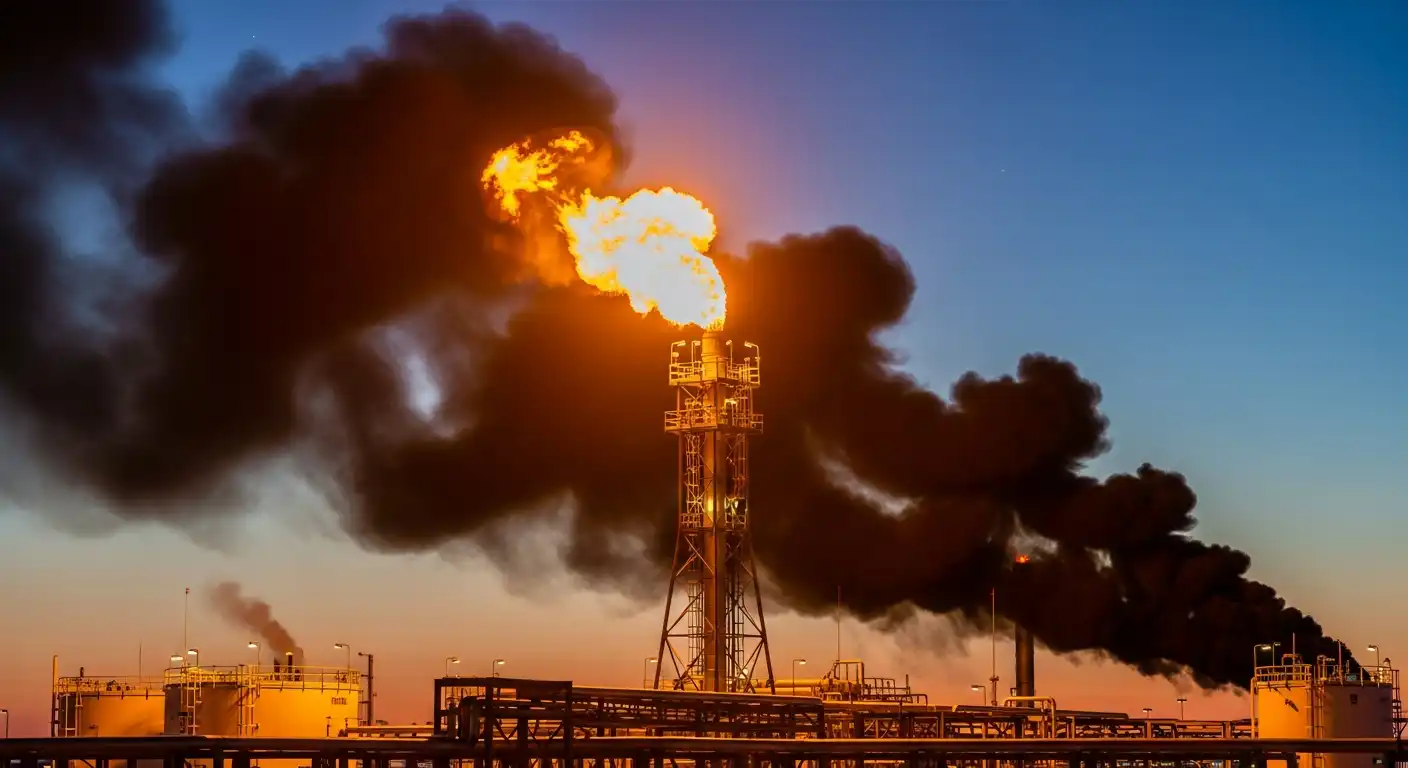
The ongoing war in Iran sent crude oil prices soaring across the global market. These higher oil costs immediately pushed up gasoline prices for drivers in the United States. On Wednesday, the national average price for a gallon of regular gasoline hit $4.53. The American Automobile Association reported this sharp price hike, which forces drivers to rethink their daily travel habits quickly.
This sudden jump in fuel costs affects Americans in vastly different ways. Economists at the Federal Reserve Bank of New York describe the current situation as a K-shaped dynamic. This term means that the broader economy splits into two different directions based on household wealth. Rich households and poor households experience entirely different financial realities when they visit the local gas station.
Lower-income families face the greatest financial danger from these rapid energy price hikes. Bank of America researchers note that these households spend a much larger percentage of their total income on necessities. When electricity bills and gasoline prices climb, these families have very little money left over for other daily expenses. They feel the sting of inflation much faster than their wealthier neighbors.
Analysts at Liberty Street Economics closely tracked this consumption pattern. They looked at both nominal gasoline spending and real gasoline consumption during March 2026. Nominal spending tracks the total dollars spent, while real consumption tracks the actual amount of fuel people buy. Their data revealed a clear split in how Americans handled the sudden price shock that started in late February.
Wealthy households barely changed their daily driving habits. Because they did the least to reduce their overall fuel consumption, they experienced the largest jump in total money spent on gas. High-income drivers simply absorbed the extra costs, paid the higher prices, and kept filling up their vehicle tanks.
On the other hand, low-income households experienced the smallest increase in total dollars spent at the pump. This happened because they drastically cut down the amount of gas they purchased. These drivers reduced their overall consumption by a massive margin just to survive the sudden price surge. They chose to stay home, cancel trips, or find much cheaper ways to travel.
This same economic pattern played out just a few years ago. Researchers pointed out that a similar, though smaller, divide happened during the 2022 global energy crisis. That previous crisis started when the Russian military invaded Ukraine and choked off the global natural gas supply. Just like today, wealthy drivers kept driving while poorer families slammed the brakes on their spending.
Financial experts warn that these spending cuts signal deeper trouble for the overall economy. Bank of America economists recently sent a warning note to their clients about the ongoing struggles of everyday Americans. They noted that lower-income households already face massive financial strain. The economists worry that this fresh erosion of spending power will force many families to miss payments on their existing credit card balances and auto loans. Losing credit access creates a long-lasting, damaging impact on their ability to buy groceries or survive future economic shocks.
Despite these clear warning signs from major banks, the White House projects massive confidence in the American consumer. Kevin Hassett, director of the National Economic Council, spoke to reporters on Wednesday and painted a completely different picture. Hassett claimed that the American consumer remains incredibly strong and is currently firing on all cylinders.
Hassett pointed to rising credit card balances as a sign of economic health rather than consumer distress. He stated that credit card spending went straight through the roof in recent weeks. He acknowledged that everyday Americans spend far more money on gasoline right now, but he quickly argued that they also spend more money on almost everything else.
Government inflation data released on April 30 adds more context to this complex economic picture. The personal consumption expenditures price index showed that headline prices jumped 0.7% in March compared to the previous month. Meanwhile, the core price index rose 0.3% over the same month. This core measure excludes volatile food and energy costs to give economists a clearer view of underlying inflation.
Looking at the bigger picture, prices remain stubbornly high on an annual basis. The March data revealed that the headline price index increased 3.5% from the previous year. The core price index climbed 3.2% over that same 12-month period. Both annual inflation numbers perfectly matched expectations among major Wall Street analysts, suggesting that the fight against rising prices will take much longer.