

Key Points:
- China generated nearly 4 trillion kilowatt-hours of renewable energy in 2025, beating the entire European Union.
- Renewable sources now make up more than 60% of the total installed power capacity across the country.
- The groundbreaking 2006 law used fixed feed-in tariffs to guarantee grid connections and market sales for clean power.
- Experts suggest updating the law to focus on energy storage, recycling aging solar panels, and protecting local biodiversity.
Back in 2006, China struggled with rolling blackouts and severe power shortages. To fix the problem, the government enacted the Renewable Energy Law. Over the past 20 years, this single piece of legislation has completely transformed the country into a global clean-energy superpower. Today, the clean tech sector drives massive economic growth and sets production records worldwide.
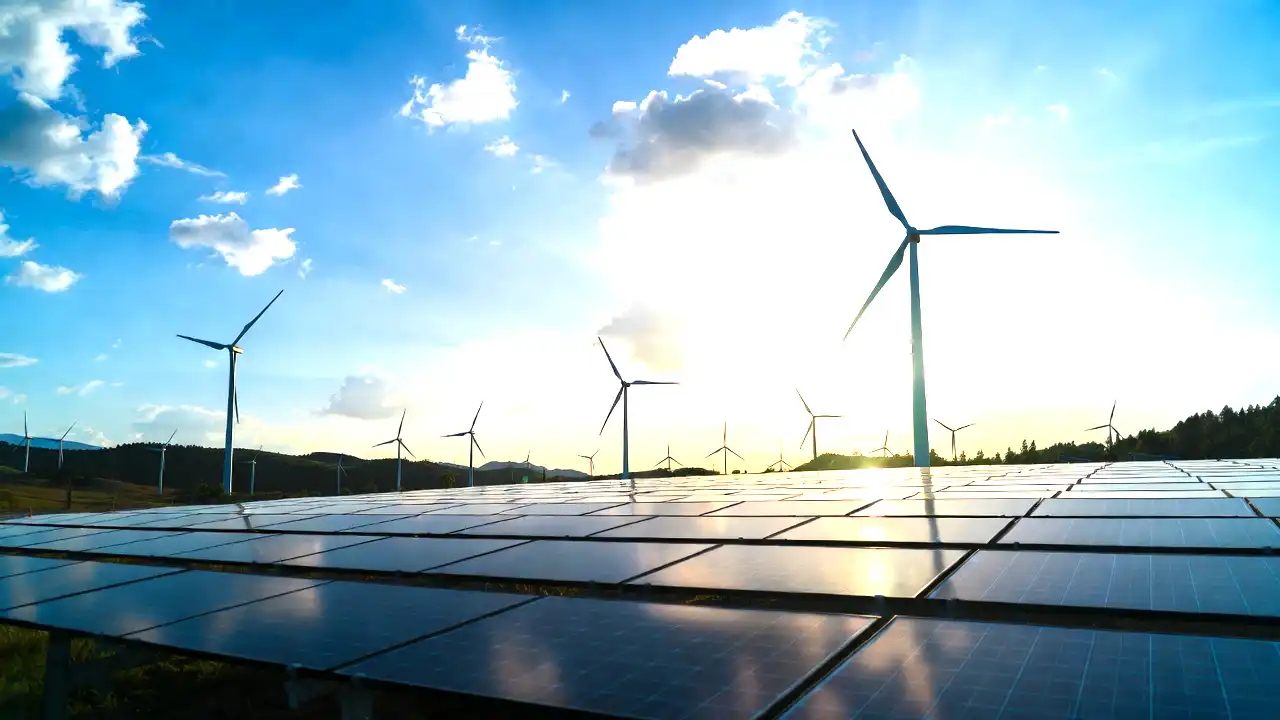
By 2025, renewable electricity generation in China hit roughly 4 trillion kilowatt-hours. To put that massive number into perspective, China’s clean energy output now exceeds the combined power consumption of all 27 member states of the European Union. Renewable sources also account for more than 60% of the total installed power generation capacity in the Asian nation.
Energy experts say this massive shift did not happen by accident. Zhou Dadi, executive vice-chairman of the China Energy Research Society, explained the true origins of the law. Following major economic reforms in 1978, the country grew too fast for its outdated power grid. Frequent blackouts crippled local cities and factories. At the same time, international pressure mounted after nations signed the 1992 United Nations Framework Convention on Climate Change. While developed countries produced 60% of global greenhouse emissions back then, China knew its massive population would eventually need a cleaner path forward.
The top national legislature officially prioritized renewable energy legislation in 2003. Wang Zhongying, a key official who helped draft the law, called 2004 a critical turning point. During a conference in Germany, China promised the world that it would implement new environmental rules. Wang said his team worked closely with the World Bank and the United Nations. They also traveled to Germany and Denmark to study successful green policies. The government officially adopted the law in February 2005, introducing classified pricing and special funding.
Former Global Wind Energy Council head Qiao Liming highlighted the real engine behind the boom. She said the fixed feed-in tariff policy changed everything. Borrowed directly from the German model, this policy forced grid operators to buy renewable electricity at government-set prices. A small surcharge on standard electricity bills funded this guaranteed above-market rate. This simple rule gave power companies a safe, profitable reason to build large solar and wind farms.
The positive results arrived quickly. During the first 10 years of the law, wind power capacity exploded 120-fold. It grew from just 1.26 million kilowatts to a staggering 150 million kilowatts. At the same time, the cost of solar modules plummeted to just 10% of their original price. After making several subsidy adjustments over the years, China achieved a major milestone in 2021. Newly approved wind and solar projects reached grid parity, meaning they cost as much to operate as local coal-fired power plants.
Rapid expansion naturally brought new challenges to the energy grid. By early 2016, power companies wasted massive amounts of solar and wind energy simply because the grid could not handle the extra load. To solve this waste problem, authorities changed the rules in 2019. They replaced the guaranteed purchase system with strict renewable portfolio standards. These new standards forced every single province to meet binding targets for clean energy consumption. In 2017, the government also launched the Green Electricity Certificate to help businesses track and verify their clean power usage.
Dimitri de Boer, a director at the environmental law group ClientEarth, praised the evolution of the policy. He noted that laws must change constantly to stay effective. The framework successfully shifted from strict administrative prices to full market integration. Now, lawmakers are preparing for a second revision of the law to address emerging technology trends.
De Boer suggested that the new revision should offer strong incentives for energy storage and flexible electricity pricing. China needs massive battery storage facilities to store solar power at night. He also emphasized the need to repurpose old coal plants to provide backup power during peak demand. As the very first wave of solar panels and wind turbines reach the end of their lifespans, the law must mandate recycling programs to handle the waste. Finally, he warned developers to protect local plant and animal life when building massive new solar farms.
The Chinese green energy boom benefits the entire planet. By manufacturing solar panels and wind turbines at a massive scale, Chinese factories drove down the cost of clean components globally. This made the global energy transition faster and far more affordable for poorer developing nations. De Boer noted that oil and gas now account for only half of China’s primary energy needs, compared with those of the United States or the European Union.
This heavy reliance on local wind and solar insulates the Chinese economy from sudden global oil price shocks. De Boer stated that China transformed climate action from a heavy financial burden into a highly profitable economic opportunity. Without these massive clean energy achievements over the past 20 years, the global fight against climate change would cost far more and take significantly longer to complete.






