

Key Points:
- Australian electricity users will pay up to $1.44 annually to fund a nationwide rollout of electric vehicle chargers.
- The new fee will affect all households, even those that do not own electric cars, starting in 2029.
- The proposal aims to add 14,000 new public chargers to rural areas and quiet suburban streets.
- Industry experts warn this plan gives electricity networks too much market control and hurts fair competition.
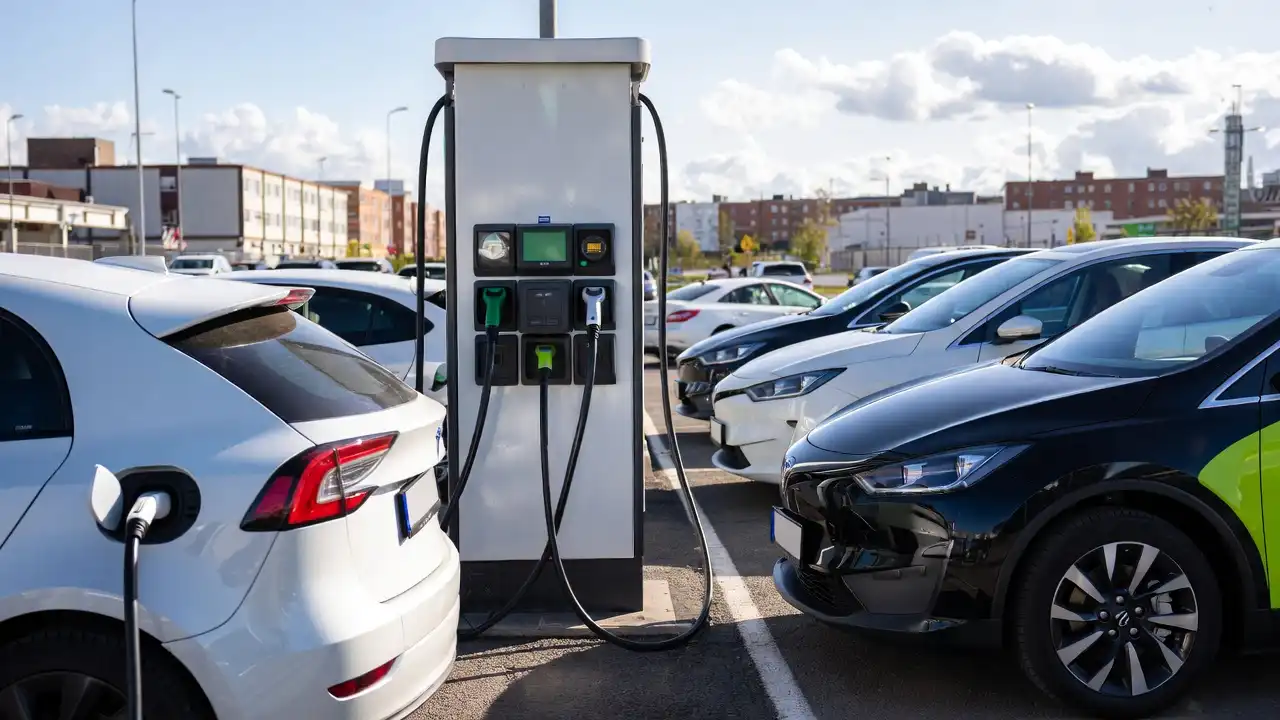
The Albanese government supports a controversial new plan to expand electric vehicle infrastructure across Australia. Under this proposal, everyday Australians will help fund the national rollout of public charging stations through their home electricity bills. This means families will pay to build electric car chargers whether they actually own an electric vehicle or not.
The government claims the financial hit remains incredibly small for everyday citizens. An official spokesperson estimated that the peak impact on a standard household energy bill will range from $0.79 to $1.44 each year. Officials also confirmed that consumers will not see these extra charges appear on their statements before the year 2029.
Australia currently struggles to expand its charging network fast enough to meet future demands. Private charging operators happily build stations in busy city centers and along major highways where they can turn a quick profit. However, these companies ignore regional towns and quiet suburban streets because those locations offer very weak commercial returns. Investors avoid low-traffic areas, leaving huge gaps in the national driving map.
To address this infrastructure gap, the government will allow major electricity networks to step in and take control. Under the new model, these power networks will search for suitable locations to build chargers. Once they identify a good spot, the network will prepare the site for a physical installation.
Private charging companies will still have the first opportunity to install and operate the equipment at these prepared sites. If no private company wants to take the financial risk on a quiet location, the power network acts as the provider of last resort. The network will then build, own, and operate the charging station itself.
The government will add the cost of this massive rollout directly to the regulated asset base. This accounting move spreads the total construction bill across all electricity users over a long period. Instead of electric vehicle drivers paying for their own fuel stations, every home shares the cost. While federal funding will offset some expenses, everyday households will still pay the difference through their power bills.
Supporters of the plan argue that everyone benefits from the transition to electric vehicles, not just wealthy car owners. They claim a faster shift away from petrol and diesel vehicles creates cleaner air in local neighborhoods and lowers national greenhouse gas emissions. They view the small annual fee as a basic investment in public health and a cleaner environment.
Everyday citizens and consumer advocates reject that environmental argument. They point out that Australians are already suffering a massive cost-of-living squeeze. Adding new fees to power bills angers families who are already struggling to buy groceries, pay rent, or cover basic medical expenses. Critics say forcing non-drivers to subsidize car owners feels completely unfair right now.
Industry groups also worry about giving too much power to the major electricity networks. Mark Stedfu from the National Electrical and Communications Association warned that this model might actually slow things down rather than speed them up. He told The Australian Financial Review that the networks themselves are currently the biggest barrier to building new chargers, as they often delay grid connection approvals for independent operators.
Energy consultancy Nexa Advisory raised similar red flags about the real-world operation of this plan. Chief executive Stephanie Bashir said a provider-of-last-resort model sounds reasonable in theory, but the final written details will determine whether the market stays fair. She worries that networks will abuse their power.
Bashir explained that the current rule change picks sides and gives networks far too much freedom to dictate market terms. Since networks control the underlying power grid, they could easily prioritize their own charging stations over private competitors. She warned that this setup undermines market competition, ultimately hurting everyday consumers who need reliable service and fair pricing.
Despite the heavy criticism, planners push forward with the ambitious target. The government expects this proposal to deliver up to 14,000 additional public chargers across the entire country over the next several years. If successful, this massive infrastructure boost will more than double Australia’s existing electric vehicle network.






