

Key Points:
- The Iran war closed the Strait of Hormuz, cutting off the global supply of heavy bunker fuel and threatening worldwide supply chains.
- Bunker fuel prices in Singapore jumped from $500 per metric ton to over $800 per metric ton by early May.
- The crisis costs the global shipping sector nearly $400 million every day, forcing companies to reduce vessel speeds by 2%.
- Skyrocketing oil prices are pushing shipbuilders to accelerate their adoption of alternative fuels such as liquefied natural gas.
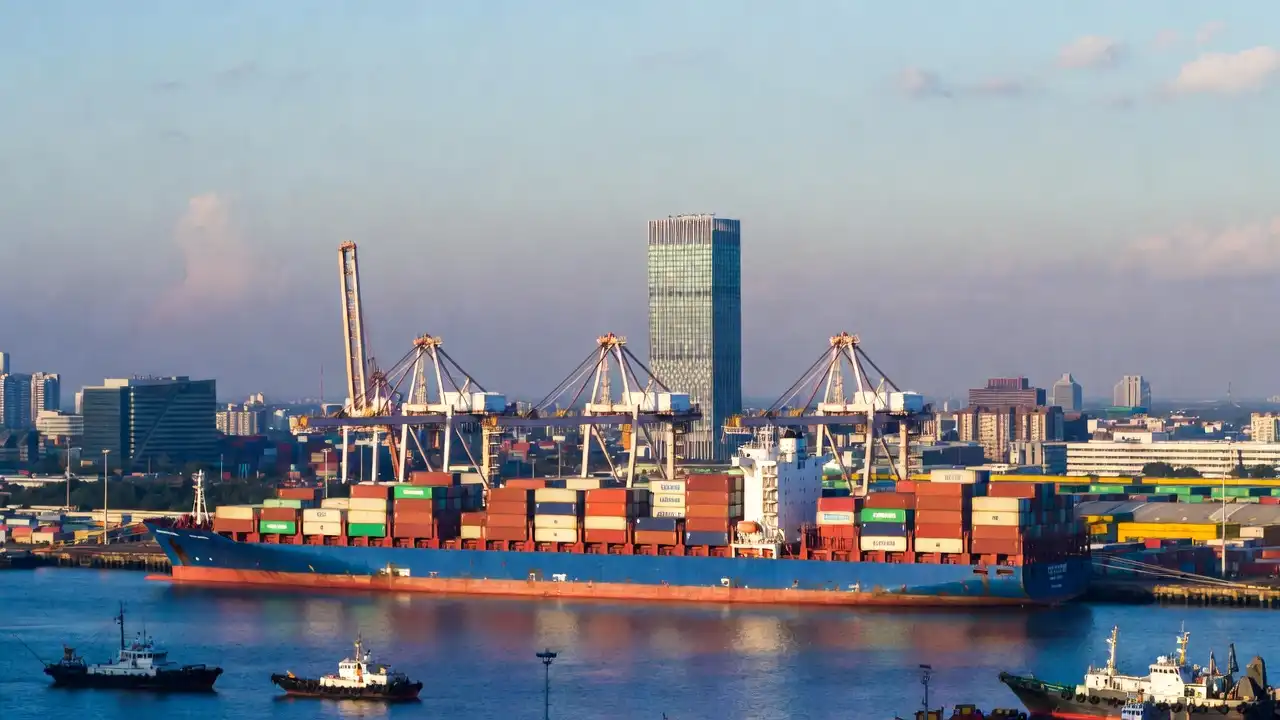
Ship operators desperately need bunker fuel to keep their massive vessels running. This sludgelike substance represents the literal bottom of the barrel in the oil refining process. Refineries produce it after extracting lighter, cleaner fuels for cars and airplanes. Because bunker fuel is heavy and dirty, it sinks to the bottom of storage tanks. However, ships rely on this exact fuel to move 80% of all goods traded across the globe. The Iran war completely shut down the Strait of Hormuz. This closure choked off the world’s main supply of bunker fuel and left the global maritime industry scrambling for answers.
The resulting energy shock hits Asia incredibly hard. Asian countries rely heavily on crude oil shipped from the Middle East. Singapore is the largest refueling hub for the global maritime industry. Fuel reserves in the city-state dwindle by the minute, and prices spike out of control. Before the war started on Feb. 28, ship operators paid roughly $500 per metric ton for bunker fuel in Singapore. By early May, companies watched that price soar beyond $800 per metric ton. Natalia Katona, an expert at OilPrice, notes that the loss of heavy crude oil from nations like Iraq and Kuwait is causing severe shortages. She expects prices to keep rising without stopping.
Facing this crisis, Southeast Asian nations practice intense energy triage. Governments abandon climate goals just to keep their economies running. They burn more coal to generate electricity. They purchase extra shipments of crude oil from Russia. Several leaders even revive long-dormant plans to build nuclear power plants. Governments know their energy reserves will eventually run dry, and public subsidies cannot last forever.
United Nations data highlights the gravity of the situation. Over 50% of global seaborne trade passed directly through Asian ports in 2024. A crisis of this magnitude in Asia guarantees massive global consequences. Henning Gloystein from the Eurasia Group warns that many shipping companies will simply go bankrupt. He says the financial pain will rapidly spread beyond Asian borders and wreck global supply chains.
The financial bleeding happens fast. The European Federation for Transport and Environment estimates that the war in Iran costs the global shipping industry 340 million euros, or nearly $400 million, every single day. June Goh, an analyst at Sparta Commodities, explains that shipping companies currently absorb these massive costs. However, she warns they will soon pass the burden directly to consumers. Oliver Miloschewsky from Aon adds that high shipping prices ripple through supply chains much faster than other economic pressures. Regular shoppers will soon see higher price tags on almost everything they buy. In Singapore, residents already pay higher ferry fares, and tourists face new fuel surcharges on luxury cruises.
Ship operators scramble to find ways to survive. Miloschewsky points out that shippers have very few tools to handle this problem. They can swallow the high fuel costs, suspend their least profitable voyages, or force their captains to sail more slowly. Industry groups notice the change in the water. Clarksons Research reports that bulk carriers and massive container ships worldwide reduced their average speeds by 2% since the conflict began.
The skyrocketing cost of dirty fuel makes green technology look much more attractive. Håkan Agnevall, an executive at Wartsila, notes that marine engineers already possess the technology to build ships that burn cleaner fuels. Unfortunately, energy companies do not yet produce these green fuels on a large scale, keeping prices high. U.S. President Donald Trump previously derailed global agreements to shift the shipping industry away from fossil fuels in 2025. Despite that political setback, Agnevall believes the current war gives strategically minded companies a strong financial incentive to invest in green technology. The high price of regular oil rapidly closes the cost gap with alternative fuels.
Some major corporations refuse to wait for governments to act. The Caravel Group runs Fleet Management Limited, one of the biggest ship management firms on the planet. The company currently oversees the construction of more than 120 new ships. CEO Angad Banga states that his team builds about 33% of these new vessels with dual-fuel engines. These advanced ships can burn standard bunker fuel, but they also run on alternatives like liquefied natural gas.
Ship owners gladly spend extra money to build vessels that switch between different fuels. Banga explains that having flexible ships provides real economic value during unpredictable wars and oil shocks. He admits that alternative fuels still face hurdles. Port authorities around the world currently operate more than 890 ships powered by liquefied natural gas. However, a lack of dedicated refueling infrastructure creates frustrating bottlenecks. Still, the industry races to build new facilities, and the severe lack of bunker fuel pushes more companies to invest heavily in these modern ships.






