

Key Points:
- Global demand for artificial intelligence forces foreign chipmakers to abandon legacy products.
- SMIC added 9,000 12-inch equivalent wafers to its production capacity during the first quarter.
- The company expects depreciation expenses to jump 30% as it aggressively expands its factories.
- Chinese foundries will control 37% of the global legacy-node chip market this year.
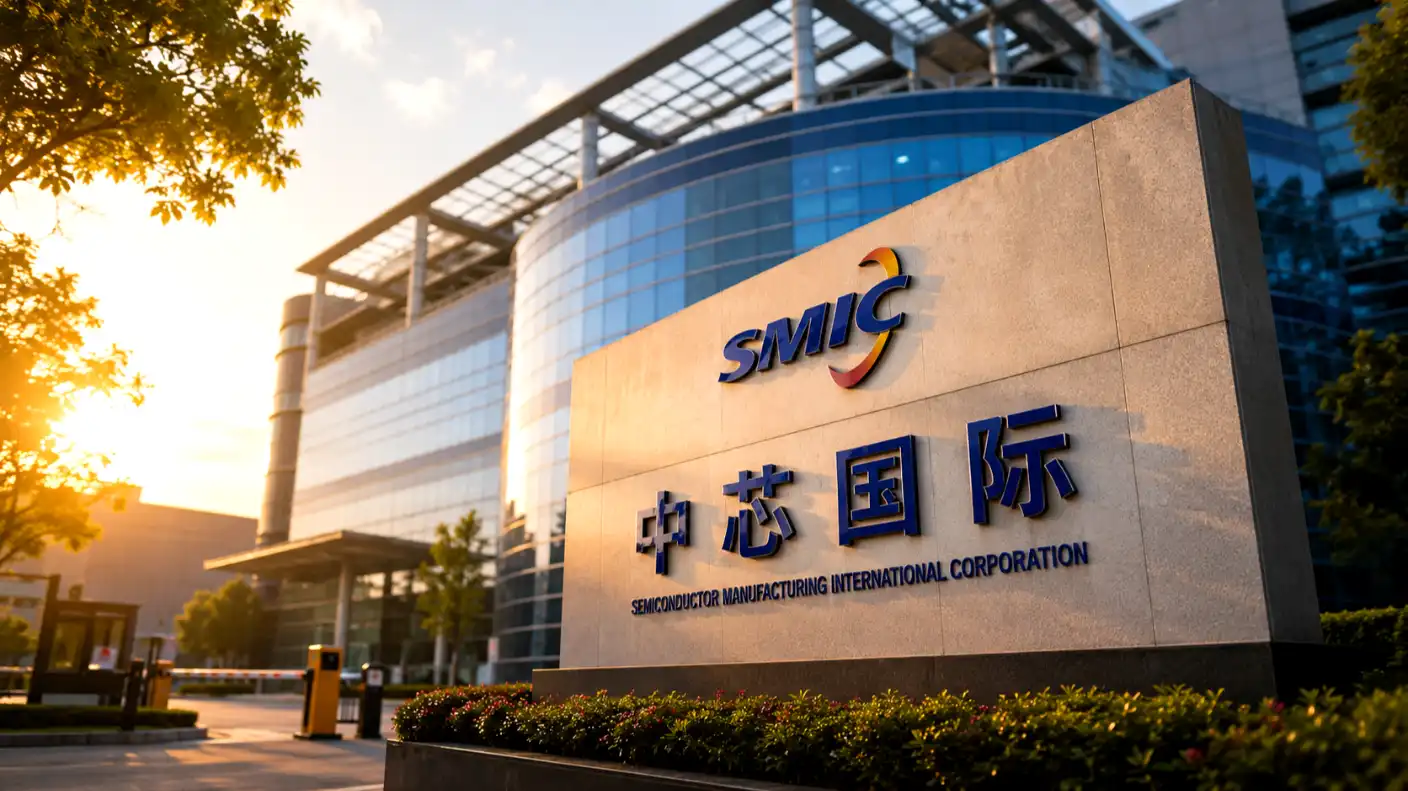
Semiconductor Manufacturing International Corp reports a massive surge in orders from overseas clients. The global rush to build artificial intelligence systems consumes almost all available factory space at foreign foundries. Because international competitors focus heavily on high-end AI components, they leave a large gap in the market for older, everyday chips. SMIC quickly steps into this gap, taking on overflow business to keep its factories running at high speed.
Zhao Haijun, the co-CEO of the Chinese chipmaker, discussed this major industry shift during a recent earnings call on Friday. He explained that many semiconductor companies outside China are now redirecting their factory operations toward AI products. These foreign foundries prioritize advanced memory chips and high-bandwidth applications. As they chase the highly profitable AI market, they drastically reduce the factory space they dedicate to legacy foundry products.
This industry shift directly benefits Chinese manufacturers. Zhao told investors that several products previously built at overseas foundries simply have no home anymore. Those foreign factories refuse to produce them because they earn more money making advanced AI components. However, global companies still desperately need these basic chips to build cars, medical devices, and everyday home electronics. Since China continues to host numerous semiconductor expansion projects, international customers naturally bring their business to Chinese facilities.
SMIC easily captures the largest share of this new business because it is the largest domestic foundry in China. Zhao noted that this manufacturing trend happens across the entire global industry. Customers realize that Chinese factories possess the rare available production capacity they desperately need. Therefore, they shift their manufacturing orders across the globe to ensure they have enough chips to finish their products.
To meet this high customer demand, SMIC is aggressively expanding its manufacturing footprint. The company builds new facilities and installs new production equipment at a rapid pace. During the first quarter, SMIC successfully added 9,000 12-inch equivalent wafers to its total production capacity. The company also shipped exactly 2.5 million 88-inch-equivalent wafers over those three months, unchanged from the previous quarter.
However, this massive physical expansion comes at a high financial cost to the business. Zhao warned investors that the company expects total depreciation expenses to rise by roughly 30% compared to last year. The recent financial reports already show this expensive trend taking shape. First-quarter depreciation and amortization costs jumped 26% from the same period a year earlier.
The company also closely monitors its utilization rate, a key metric that measures how intensively a factory runs each day. During the first quarter, SMIC recorded a 93% utilization rate. This number actually represents a slight drop from the fourth quarter of last year. Zhao provided a very clear explanation for this minor decline in production intensity.
First, smartphone manufacturers abruptly cut their orders late last year. These phone companies worried they would face severe shortages of supporting memory chips, so they scaled back their phone production plans. This slowdown naturally carried over into the first quarter. Second, SMIC opened brand new fabrication plants during the first three months of the year. When these new factories came online, they immediately increased the total available capacity. Having a larger total capacity makes the overall utilization rate look artificially lower.
Despite taking on more international orders, SMIC still relies heavily on its domestic clients for revenue. Chinese customers accounted for a massive 89% of the company’s total first-quarter revenue. Meanwhile, clients based in the United States contributed just 9% of the total revenue during that same period.
SMIC continues to bet on strong, consistent demand from Chinese chip designers to fuel its future growth. The company desperately wants to push into advanced manufacturing, specifically targeting 7-nanometer technology. However, strict export controls from the U.S. government create severe constraints. These trade rules block the company from buying the most advanced chipmaking machines from Western suppliers, forcing SMIC to focus heavily on older, legacy technologies.
Data from Semicon China, the largest trade fair for semiconductor equipment manufacturers, proves that China currently dominates this older legacy market. Industry experts define legacy nodes as chips falling in the 22-nanometer to 40-nanometer range. According to the trade fair data, Chinese foundries controlled 32% of this global legacy-node capacity in 2025. Experts expect that market share to hit 37% this year. Looking ahead, Chinese foundries plan to control a staggering 41% of the global legacy market by 2027.
Zhao views this shift as a permanent change in the global technology landscape. He expects the massive demand for AI-related chips and edge applications to keep growing rapidly next year. As foreign foundries chase that growth, they will further squeeze production capacity for non-AI products. SMIC leaders firmly believe this represents a long-term trend that will keep their factories busy for years to come.






