Key Points:
- The global market for brain-computer interfaces is currently valued at $350 million and is projected to reach $1.2 billion by 2035.
- The broader neurotechnology sector is expected to reach $52 billion in value by 2032.
- Neuralink reported 21 clinical trials involving human patients by January 2026.
- A recent April poll revealed that only 13 percent of voters want the government to leave artificial intelligence unregulated.
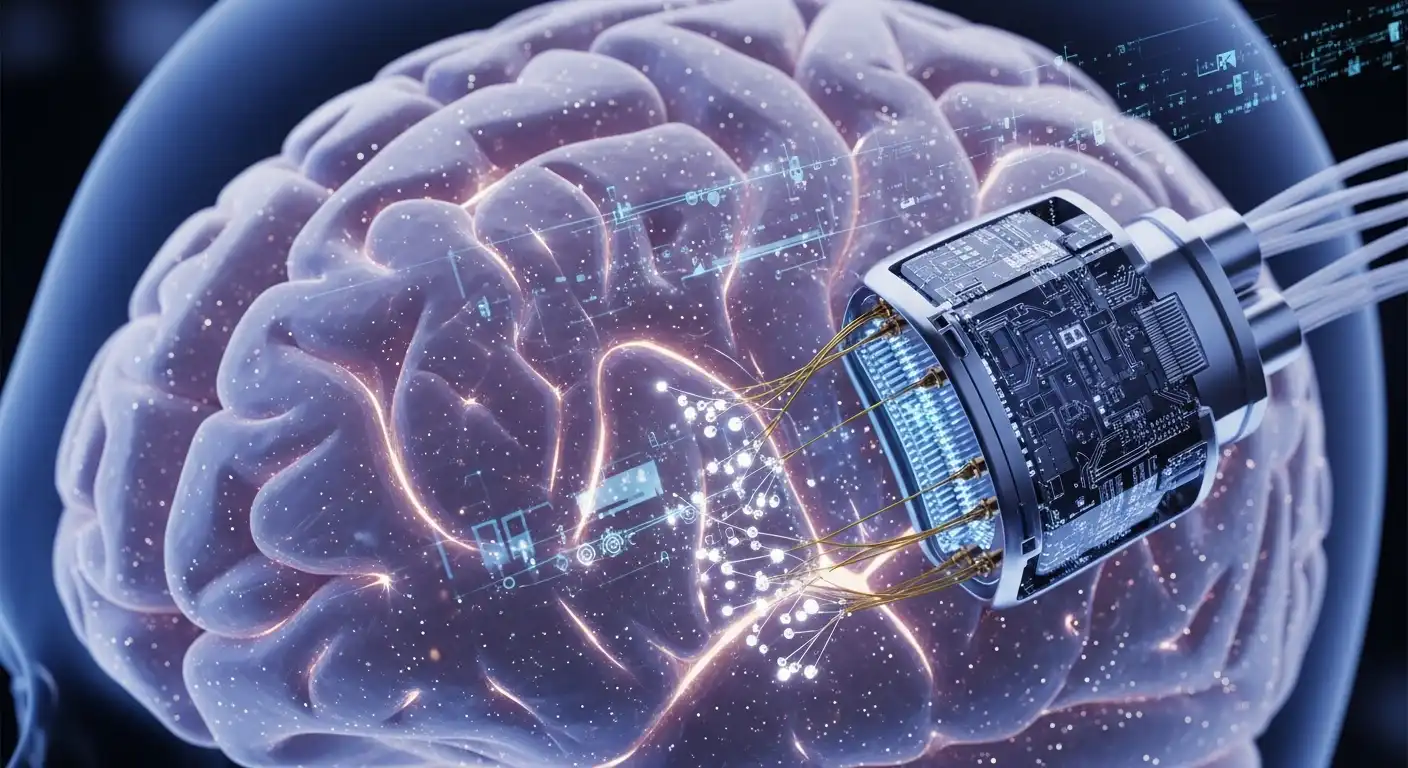
At a recent technology conference in Vancouver, investor D. Scott Phoenix delivered a bold prediction. He told the crowd at TED 2026 that regular people will soon choose to have computer chips implanted directly in their brains. He argued that humans will eventually surrender to this invasive technology just like they did with smartphones. In his view, humanity stands on the edge of a massive transition that merges people and artificial intelligence into a single entity.
This radical idea sounds like science fiction, but many wealthy leaders in Silicon Valley believe it completely. OpenAI leader Sam Altman stated back in 2017 that a merger offers the best chance for human survival against super-smart computers. Billionaire Peter Thiel actively promotes this concept, hoping humans can transform their natural bodies into immortal machines. These tech giants think we must join forces with computers or risk getting left behind entirely.
While true mind-merging remains years away, the money behind brain-computer interfaces grows rapidly. The market for these devices currently sits at $350 million. Financial experts expect that number to reach $1.2 billion by 2035. Phoenix knows this money well. He sold his neurotechnology startup to Alphabet in 2022 after raising $250 million from massive investors like Elon Musk and Mark Zuckerberg. Looking at the broader picture, researchers predict the entire neurotechnology market will explode to $52 billion by 2032.
Right now, doctors mainly use brain chips for medical reasons. Neuralink, the company founded by Musk, reported 21 clinical trials involving human patients by January 2026. The company successfully helped a paralyzed man use a computer using only his thoughts. However, companies also sell less-intense products like smart glasses and sleep-tracking rings. These wearable gadgets generate substantial profits because they collect a highly valuable resource directly from users. They harvest human neural data.
Tech companies want to own your neural data because it holds immense value. Businesses can use this deeply personal information to target advertisements, monitor behavior, or manipulate consumer habits. Former UNESCO director Audrey Azoulay recently described human brain data as the crude oil of the 21st century. She urged the public to guard their brainwaves jealously against corporate greed.
Lawmakers across the United States now scramble to protect this new frontier of human privacy. Politicians in Colorado, California, and Connecticut recently updated their privacy laws to protect information generated by the human nervous system. Montana went even further, demanding strict consent rules before companies can touch brain data. Minnesota currently reviews a massive new framework to establish permanent neurodata rights for its citizens.
Federal leaders also want to join the fight against the extraction of brain data. Last September, a group of powerful senators introduced the MIND Act. This bill orders the Federal Trade Commission to study exactly how companies use neural data to read human emotions and decision patterns. The Neurorights Foundation, a global advocacy group, helps write many of these new laws. They want to set strict rules now before major privacy scandals destroy public trust in the technology.
Not everyone agrees on how to stop the tech giants. Some experts, like law professor Nita Farahany, believe lawmakers must treat brain data differently from regular internet privacy. She argues that thought data represents the most intimate information a person holds. Other researchers point out that current wearable devices cannot yet read our private thoughts. They suggest lawmakers should fix broad privacy laws rather than focusing solely on brain waves.
The technology industry hates the idea of having to follow different rules in every state. Ryan Field runs a neurotechnology company called Kernel. He argues that his company needs a single federal law so it does not have to navigate 50 different state regulations. Field insists his company does not sell brain data, but he actively seeks users willing to exchange their brain data for money. Tech leaders often claim that heavy rules will just allow rival countries like China to win the technology race.
Regular voters strongly oppose the Silicon Valley vision. A recent political poll from April showed that only 13 percent of people want the government to leave artificial intelligence alone. Voters on both the political left and right fear a future where billionaires treat normal people like digital pets. Social conservatives and progressive leaders both argue that tech giants care only about increasing wealth and power.
If tech companies push too hard, they might destroy their own dreams. Privacy advocates warn that massive data theft and surveillance scandals will ruin the future of human enhancement. If powerful companies steal our most private thoughts to make a quick profit, the public will reject the technology outright. Ultimately, the battle over brain data decides who controls the future of human life.