Key Points:
- South Korean President Lee Jae Myung published a public statement demanding equal respect for both corporate management rights and labor rights.
- Samsung Electronics and its unionized workforce will begin urgent negotiations to avoid a massive 18-day strike.
- The planned walkout begins this Thursday and threatens to cause severe disruptions to the global semiconductor supply chain.
- The president emphasized that South Korea thrives on a free-market economy in which workers and executives need to respect each other.
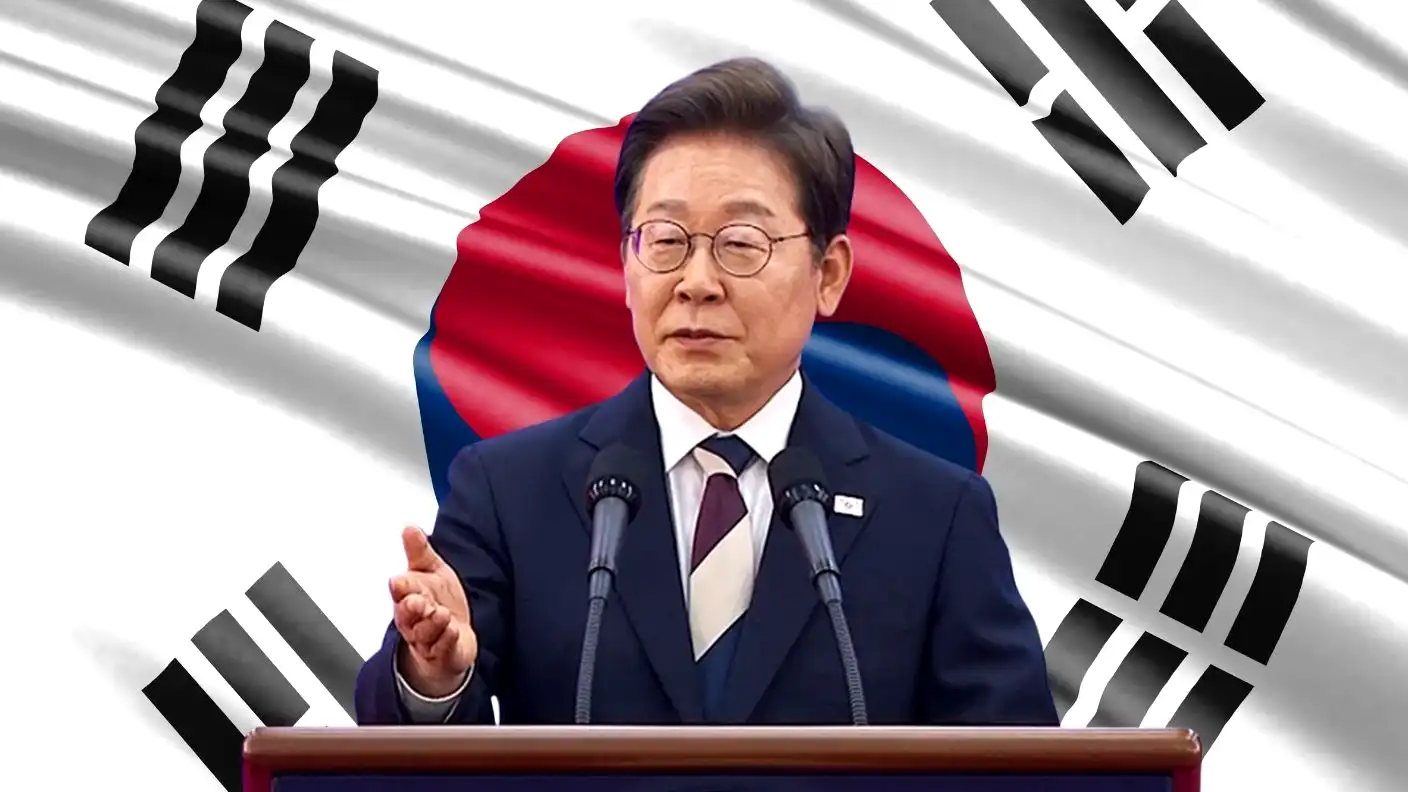
South Korean President Lee Jae Myung delivered a clear message to the nation on Monday. He stated that corporate management rights deserve just as much respect as labor rights. The president published his thoughts directly on his X social media account. He timed his statement to coincide with a critical moment for the national economy.
Samsung Electronics and its unionized workers face a massive showdown this week. Union leaders plan to launch an 18-day strike starting on Thursday. To avoid this complete work stoppage, executives and labor representatives will meet for last-minute negotiations. President Lee aims to remind both sides of their responsibilities to the broader economy before they sit down at the bargaining table.
In his public post, Lee emphasized the country’s core values. He wrote that South Korea adopted the basic principles of democracy and a free-market economy. Within this system, he stressed that society must fully respect labor rights. However, he immediately balanced that thought by declaring that corporate management rights require the same level of respect from the public and the workers.
This public statement carries significant weight. Samsung Electronics is the largest and most profitable company in South Korea—the technology giant accounts for nearly 20% of the country’s total exports. An 18-day strike would devastate production lines and threaten the fragile global supply chain for memory chips and smartphones.
The National Samsung Electronics Union leads the current labor dispute. The group represents roughly 30,000 workers. This number accounts for about 25% of the company’s local workforce. The union grew rapidly over the past few years after Samsung abandoned its strict decades-old policy of banning organized labor inside its factories.
Workers bring several strict demands to the negotiation table. The union wants a 6.5% wage increase for all its members. Meanwhile, company executives have only offered a 5.1% pay bump. The workers also demand an extra day of annual leave and a completely revised system for calculating their yearly performance bonuses. They argue that the current bonus system lacks transparency and favors top executives over factory-floor staff.
A prolonged strike poses severe financial risks for the technology giant. Industry analysts estimate that shutting down semiconductor factories for 18 days could cost the company upwards of $1.5 billion in lost revenue. Shutting down the complex machines that print microchips causes long-term damage. Restarting those machines takes several days and ruins thousands of expensive silicon wafers in the process.
President Lee understands these massive financial stakes. By speaking out on social media, he sends a clear signal to the union leaders. While he acknowledges their right to demand better pay, he also warns them not to cripple the management team. The company needs flexibility to make fast decisions in a highly competitive global market.
Samsung currently fights a brutal battle against international rivals. Technology companies in Taiwan and the United States are aggressively competing for market share in the booming artificial intelligence sector. Samsung desperately needs to produce advanced memory chips at a record pace to keep up. A massive labor strike would hand a huge advantage directly to these foreign competitors.
For decades, South Korea built its incredible economic wealth on the backs of massive family-run conglomerates. These companies drove the country out of poverty. However, this massive corporate growth often came at the expense of fair labor practices. Modern workers now demand their fair share of the massive profits they help generate. Finding the perfect balance between corporate growth and worker satisfaction remains the biggest challenge for the current government.
The final negotiations will test the strength of both sides. Company executives face intense pressure from the government to reach a fair deal and keep the factories running. At the same time, union leaders know they hold significant power. They can easily disrupt the global tech industry if management refuses to meet their demands for better pay and transparent bonuses.
Everyone watches the clock as the Thursday deadline approaches. The upcoming talks will determine whether South Korea can maintain its economic stability. President Lee made his stance very clear. He wants a fair compromise in which workers receive their rightful pay, and the company retains its ability to lead the global market.