Key Points:
- Changxin Memory Technologies expects its first-half revenue to hit between 110 billion and 120 billion yuan.
- The company reported a massive 700% year-over-year revenue jump in the first quarter, reaching 50.8 billion yuan.
- The chipmaker swung from a 1.6 billion yuan net loss last year to a 25 billion yuan net profit in the first quarter.
- An upcoming initial public offering draws intense global interest as investors gauge China’s progress in the memory market.
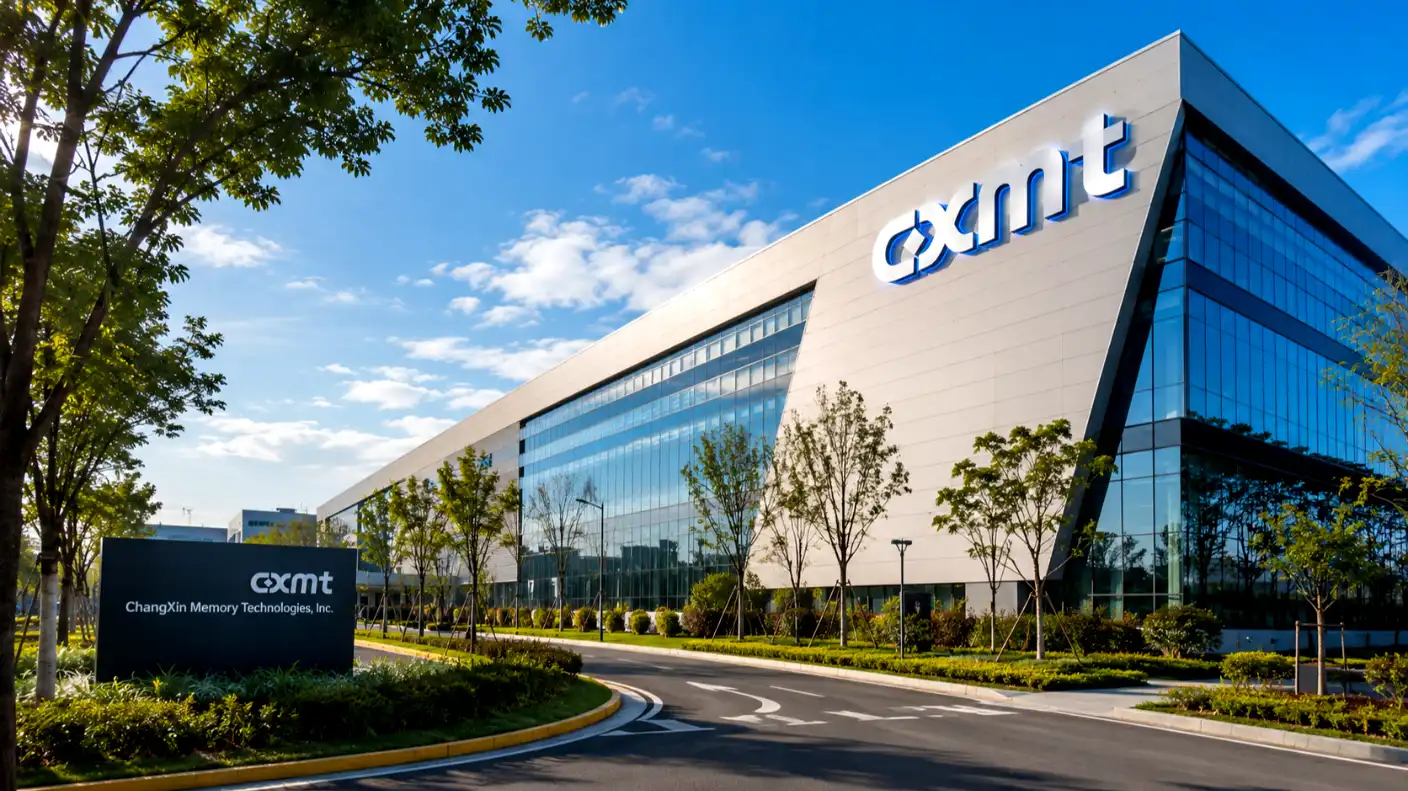
Changxin Memory Technologies expects a massive financial windfall during the first half of the year. The top memory chipmaker in China released a renewed business prospectus on Sunday detailing its explosive growth. Company executives project that first-half revenue will range between 110 billion yuan and 120 billion yuan, equivalent to roughly $17.62 billion. This stunning financial forecast highlights how quickly the global technology landscape is changing.
Intense global demand for artificial intelligence is the main driver of this financial surge. Tech companies around the world desperately need advanced computing chips to train their complex artificial intelligence models. These powerful processors require equally fast memory to function properly. This intense need created a global memory supercycle, pushing prices through the roof and generating record profits for chipmakers everywhere.
The global dynamic random-access memory market currently faces a severe supply shortage. Overall computing demand continues to grow at a breakneck pace. At the same time, major semiconductor manufacturers recently adjusted their production levels to optimize their factory lines. This sudden imbalance between high demand and tight supply drove memory prices sharply higher starting in the second half of 2025.
Changxin Memory Technologies aggressively capitalized on this market shift. The Hefei-based company expanded its total factory output and pushed sales hard, even as prices remained near record highs. Executives also improved the overall product mix, focusing on high-margin memory chips that artificial intelligence developers need the most. These strategic moves paid off instantly.
The first-quarter financial results show that the company is experiencing unprecedented growth. The chipmaker generated 50.8 billion yuan in revenue during the first three months of the year. This number represents a massive 700% jump compared to the same period last year. The company successfully turned this massive revenue into real cash for its owners.
Looking at the bottom line reveals an incredible turnaround story. The company posted a net profit of 25 billion yuan for the first quarter alone. Just one year earlier, the chipmaker posted a painful net loss of 1.6 billion yuan in the same three-month window. Erasing years of financial struggle in a single quarter proves the absolute power of the current artificial intelligence boom.
Executives expect this incredible momentum to carry through the rest of the summer. The company projects that total net profit attributable to shareholders will reach up to 57 billion yuan by the end of the first half. A profit margin of this size gives the company massive financial firepower to expand its operations and hire top engineering talent.
This memory supercycle benefits competitors across the entire global industry. The recent rally in chip prices pushed Samsung Electronics’ market capitalization above the $1 trillion mark in May. While South Korean companies like Samsung and SK Hynix have traditionally dominated the memory sector, the latest financial figures from China show a rapidly narrowing gap.
Foreign investors and industry experts watch the Chinese chipmaker very closely right now. The company is currently preparing for a highly anticipated initial public offering on the domestic stock market. Financial analysts view this upcoming public listing as a crucial gauge of how fast China is progressing in the global semiconductor race.
Developing advanced memory chips holds immense strategic value for China. In the modern era of artificial intelligence, dynamic random-access memory enables lightning-fast data transfer between the main processors and storage drives. Without reliable access to these chips, Chinese technology companies cannot build competitive artificial intelligence platforms.
The upcoming stock market debut will likely raise billions of dollars in fresh capital. The chipmaker plans to use these funds to build new fabrication plants and buy advanced manufacturing equipment. By securing its own domestic supply chain, China takes a massive step toward technological independence.
As the summer approaches, the global technology market braces for even more growth. The endless appetite for artificial intelligence guarantees that memory chips will remain one of the most valuable resources on the planet. Changxin Memory Technologies proves that it has the factory capacity and the business strategy to dominate a massive share of this trillion-dollar industry.