Key Points:
- The U.S. government announced sweeping sanctions against Cuba’s state energy giant Unión Cuba-Petróleo.
- Secretary of State Marco Rubio accused Cuba’s communist regime of weaponizing fuel for social control.
- The sanctions were issued under Executive Order 14404, which extends secondary sanctions to foreign entities.
- The blacklisting threatens to block a historic 250,000-barrel private sector fuel shipment from Florida.
The United States government has announced sweeping sanctions against Cuba’s state-owned oil and gas company, intensifying its pressure on the island’s crippled energy sector. The designation targets Unión Cuba-Petróleo, commonly known as CUPET, placing the state energy giant on the Treasury Department’s blacklist of blocked entities. This move prevents any American person, company, or international entity with U.S. ties from conducting business with the firm. The enforcement action occurs during one of the most severe economic and fuel crises in the island’s history, driving tensions between Washington and Havana to a multi-decade high.
U.S. Secretary of State Marco Rubio defended the blacklist designation by accusing Cuba’s communist leaders of having weaponized energy as a tool of social control. Rubio asserted that the Cuban regime systematically diverts scarce fuel supplies to keep military and security forces operational while rationing energy to regular citizens and forcing them to endure relentless blackouts. Furthermore, the Secretary of State pointed out that the regime built its state energy infrastructure using key assets that local authorities unlawfully expropriated from American owners years ago. The administration vowed to continue targeting Havana’s ability to leverage its state-owned energy assets for corrupt, repressive purposes.
The administration enacted the designations under President Donald Trump’s Executive Order 14404, which he signed on May 1. This powerful directive fundamentally redrew the legal perimeter of Cuba-related sanctions, extending direct U.S. enforcement authority to any foreign person or entity operating in Cuba’s energy, defense, mining, or financial sectors. For the first time in six decades, these secondary sanctions allow Washington to penalize international operators even if their business involves no American personnel, no U.S. capital, and no U.S.-dollar transactions. The aggressive policy aims to isolate the Cuban economy by forcing international shipping and logistics companies to choose between trading with Cuba or maintaining access to the lucrative U.S. financial system.
However, the new blacklisting has immediately complicated a historic, private-sector commercial deal that Washington had previously authorized. Earlier this week, Vanguard Energy, an energy trading firm based in Coral Gables, Florida, finalized plans to export 250,000 barrels of diesel and gasoline to Cuba. This transaction represented the first major fuel shipment from the United States to the island since the 1960s. The commercial deal relied on a regulatory exemption introduced by the U.S. Treasury Department in February, which specifically permitted American companies to sell fuel to independent, private Cuban enterprises rather than to state actors.
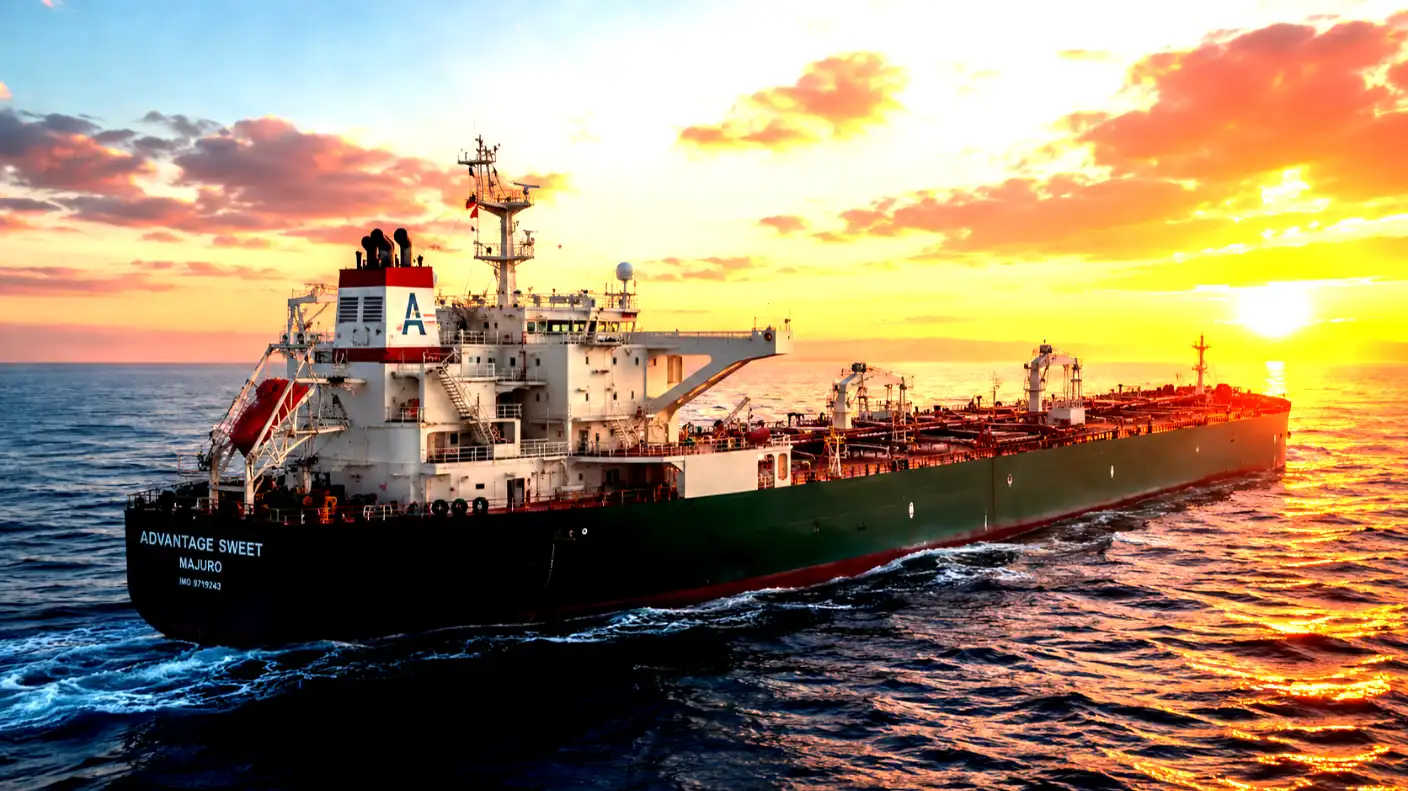
Despite the official exemption for private-sector trade, the CUPET sanctions effectively block this historic shipment from moving forward. Because CUPET controls nearly all gas stations, refineries, storage tanks, and fuel distribution infrastructure across the island, private businesses cannot bypass the state-owned network. Cuban studies experts note that private operators on the island lack their own truck fleets, storage depots, and retail pumps. To distribute the 250,000 barrels of imported fuel, the private importers would have to lease equipment and storage space from CUPET. Under the newly announced Treasury rules, any such collaboration with the blacklisted state giant would constitute a severe sanctions violation.
This economic chokehold lands on an economy already paralyzed by an effective U.S. fuel blockade that began in late January. The energy crisis worsened significantly following the U.S. military intervention in Venezuela earlier this year, which successfully ousted Venezuelan President Nicolás Maduro and halted Cuba’s primary source of imported crude. Currently, Cuba’s domestic oil production hovers at a meager 40,000 barrels per day, satisfying only two-fifths of the island’s basic operational needs. While a Russian tanker delivered 100,000 tons of crude in late March, the island requires approximately eight full fuel ships every month to run its electrical grid and public transport systems.
The severe fuel shortage has also begun to hamper vital international humanitarian operations. United Nations agencies, including the World Food Program and the UN Development Program, recently reported that they are having immense difficulty distributing essential food and medicine across the island because their delivery trucks lack fuel. Some 6.3 million dollars’ worth of essential items are currently sitting in 170 containers at Cuban ports because local teams cannot transport them to beneficiaries. International human rights advocates have urged Washington to ease the restrictions, warning that the fuel blockade is directly harming vulnerable citizens and causing preventable deaths in local hospitals.
The conflict over CUPET highlights the deep, unresolved tension at the heart of U.S. foreign policy toward Cuba. While the administration claims its measures aim to support the Cuban people and promote private enterprise, its aggressive secondary sanctions have inadvertently crushed the island’s emerging private sector. By targeting the state-controlled energy rails, the United States has successfully restricted the regime’s economic options but has also accelerated the humanitarian decline of the population. As the island’s energy grid continues to fail, both governments must decide whether to seek a diplomatic off-ramp or allow the escalating economic warfare to slide into a full-scale regional crisis.