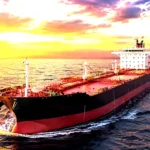
The global energy market has entered a period of profound restructuring, as ongoing conflicts in both Eastern Europe and the Middle East force a complete realignment of international trade routes. For decades, the flow of petroleum products followed predictable, highly optimized pathways, with Middle Eastern refineries supplying nearby emerging markets across the Indian Ocean basin. However, the sudden escalation of hostilities in the Persian Gulf and the subsequent closure of the Strait of Hormuz have shattered these legacy supply chains.
In response to this severe supply crisis, US refiners’ fuel exports have surged to historic highs, redirecting millions of barrels of refined gasoline, diesel, and jet fuel to African markets to fill the massive supply void.
This sudden shift in energy flows represents a major geopolitical and economic turning point. Because the Strait of Hormuz is blocked, net-importing countries across Africa can no longer access their traditional, low-cost suppliers in the Persian Gulf. Instead, they are paying a steep premium to import refined products from the United States, using long-distance tankers to transport fuel across the Atlantic Ocean.
While this energy realignment is delivering record revenues to American refining companies, it is also imposing a highly painful inflationary tax on developing African economies, raising transportation costs and threatening food security across the continent.
The Rewiring of Africa’s Fuel Supply Chain
To understand why the surge in American fuel exports is so significant, one must first look at how African nations historically sourced their energy. The African continent is highly vulnerable to energy disruptions; approximately 80% of African countries are net oil importers, relying on external suppliers to power their daily transport networks, industrial factories, and electricity generators.
Before the outbreak of hostilities in late February, South Africa—the continent’s largest importer of refined petroleum products—sourced the vast majority of its diesel, petrol, and jet fuel from major Gulf producers, including Oman, Saudi Arabia, the United Arab Emirates, and Bahrain.
Because these Gulf refineries sat relatively close to the East African coast, shipping costs were low, and delivery timelines were highly predictable. This proximity allowed African utilities to maintain lean, low-cost fuel inventories.
This efficient supply chain collapsed when the military conflict closed the Strait of Hormuz, choking off more than 14 million barrels per day of global crude and refined product shipments. With Gulf exports blocked, African nations were suddenly forced to seek alternative suppliers on the global market.
The United States, home to some of the world’s most advanced and highly efficient refining complexes along the Gulf Coast, quickly stepped in to fill the supply gap, redrawing the global energy map in the process.
Key Components of the Atlantic Basin Fuel Corridor
The physical infrastructure required to sustain this long-distance energy supply chain relies on several critical technical and logistical components:
- Refined Fuel Tanker Shipments: Operating massive, long-range tankers to transport hundreds of thousands of tons of petrol, diesel, and jet fuel across the Atlantic Ocean.
- Record Middle Distillate Cracks: The exceptionally high profit margins enjoyed by US refiners for processing crude oil into high-demand products like diesel and aviation fuel.
- Dangote Refinery Production Cuts: A sudden 34% drop in output at Africa’s largest refining facility, compounding the regional fuel shortage.
- Elevated Freight and Insurance Rates: The steep price premiums added to maritime transport due to global shipping lane congestion and war risk insurance.
- National Basic Fuel Price Adjustments: The localized retail fuel price hikes implemented by African governments to pass energy procurement costs directly to consumers.
South Africa Ramps Up US Fuel Imports
The prime example of this energy realignment is taking place in South Africa, where the national government has been forced to double its imports of American refined fuel despite ongoing diplomatic tensions with Washington.
According to ship-tracking data compiled by Bloomberg, at least four massive tankers unloaded approximately 165,000 tons of refined American fuels at the port of Durban in April alone. This Durban terminal is the critical gateway for South Africa’s energy supply, handling roughly 80% of the country’s total imported oil and refined petroleum products.
The 165,000-ton April consignment represents a massive, twofold increase over the volume of refined fuel South Africa imported from the United States in January, before the Middle East conflict began.
To maintain this supply line, the country has kept a steady stream of tankers moving across the Atlantic. Another American tanker arrived in Durban, and several more US-flagged vessels are currently en route to the port to deliver fresh shipments of diesel and gasoline.
While this American fuel has successfully prevented widespread shortages and kept South Africa’s transport network running, the pivot to US suppliers carries a high financial cost. Carrying refined products from the US Gulf Coast to South Africa requires a long, arduous voyage across the Atlantic Ocean that takes slightly over a month.
This long transit distance, combined with record-high global freight rates and soaring maritime insurance premiums, has significantly increased local fuel procurement costs. For South African consumers, this means paying much higher prices at the pump, with the Department of Mineral and Petroleum Resources announcing consecutive monthly fuel price hikes to offset soaring import costs.
The Dangote Refinery Disruption: A Double Blow to African Energy
The African fuel crisis has been severely compounded by a major, unexpected setback at the continent’s largest domestic refining facility: Nigeria’s massive Dangote refinery.
Located on a peninsula near Lagos, the newly constructed Dangote refinery has a massive nameplate capacity of 700,000 barrels per day. The facility was designed to solve Nigeria’s long-standing energy paradox, allowing Africa’s largest oil producer to finally refine its own crude oil locally and end its humiliating dependence on expensive European gasoline imports.
The launch of the refinery was celebrated as a major milestone for African economic sovereignty, with the plant beginning to export refined petrol to neighboring West African countries.
The 34% Gasoline Unit Cut
However, this domestic supply solution suffered a major blow when the refinery was forced to reduce the operating rate of its primary gasoline-producing unit, the Residue Fluid Catalytic Cracking Unit (RFCCU), by a massive 34%. This critical unit is the heart of the refinery, converting heavy, low-value oil residues into high-value transportation fuels such as gasoline and liquefied petroleum gas.
The impact of this technical slowdown was immediate and severe. The refinery’s gasoline exports collapsed from a high of 81,000 barrels per day in April to just 10,000 barrels per day.
This unexpected 34% production cut occurred just as regional fuel markets were reeling from the loss of Middle Eastern imports, dealing a double blow to West African nations. With local supplies from Nigeria restricted, countries like Ghana, Togo, and Benin have also been forced to turn to the expensive international market, increasing their imports of refined products from the United States and Europe to prevent widespread fuel shortages.
US Refiners Capitalize on the Global Deficit
While the global energy crisis is causing severe economic pain for developing nations, it has delivered unprecedented financial gains to American refining companies. Operators along the US Gulf Coast, such as Valero Energy, Marathon Petroleum, and Phillips 66, are running their plants at near-maximum capacity to capture historically high profits.
The scale of the American refining boom is clearly visible in the national export data:
- Soaring Petroleum Exports: Total US petroleum exports—crude oil and refined products combined—surged from an average of 10 million barrels per day before the war to a historic high of nearly 14 million barrels per day.
- Record Middle Distillate Cracks: The International Energy Agency reported that global refining margins have reached historically high levels, supported by record “middle distillate cracks”—the price difference between crude oil and finished diesel or jet fuel.
- Capitalizing on European Deficits: In addition to supplying Africa, US refiners are exporting massive volumes of jet fuel and diesel to Europe, which is facing severe fuel shortages due to the loss of Russian and Middle Eastern shipments.
By using advanced processing technologies, American refiners can convert cheap domestic shale oil into high-value refined products and export them to desperate buyers worldwide. This massive export boom has turned the United States into the undisputed guarantor of global fuel security. However, it has also kept domestic retail gasoline and diesel prices elevated for American consumers.
The Economic Toll: Fuel Shocks Transmitting into Food Inflation
For many African households, the rising cost of imported American fuel is not an abstract financial metric; it is a direct threat to their daily survival. In developing economies across the continent, energy prices do not exist in isolation. They are the primary drivers of food inflation, transport costs, and currency depreciation.
With 80% of African countries functioning as net oil importers, the financial pain of the Strait of Hormuz blockade was felt almost instantly. Within a single month of the conflict’s start, nine African countries reported average retail gasoline price hikes of 10.9%.
In countries like Kenya, Nigeria, and South Africa, these price hikes have triggered widespread public protests, placing severe political pressure on local governments.
The Link to Food Security
The primary transmission mechanism for this energy shock is the agricultural sector. In Africa, transportation and logistics account for an extraordinary 30% to 50% of the final retail cost of domestic food products in local markets.
When the price of imported diesel spikes, the cost of trucking corn, wheat, and vegetables from rural farms to urban markets rises instantly. This transport inflation is driving up food prices across the continent, pushing millions of low-income families into severe food insecurity.
Additionally, the rising cost of petroleum-based fertilizers—which are also imported from regions affected by the war—threatens to reduce crop yields for the upcoming harvest, raising the prospect of a prolonged, multi-year food crisis across the continent.
Conclusion
The global energy map has been permanently redrawn by the geopolitical crises of 2026. The closure of the Strait of Hormuz has severed traditional, low-cost Middle Eastern fuel supplies, forcing African nations to look across the Atlantic to secure their economic survival. While this transition has triggered a massive, highly profitable export boom for US refiners, it has also imposed a highly painful economic toll on developing African economies. From South Africa doubling its imports of American fuel to the sudden, damaging production cuts at Nigeria’s massive Dangote refinery, the continent remains deeply vulnerable to external supply shocks. Until regional refining capacity fully recovers and diplomatic efforts successfully reopen the Strait of Hormuz, African nations will have no choice but to pay a heavy premium for American refined products, underscoring that in the modern global economy, energy security is the ultimate foundation of economic stability.