Key Points:
- European Central Bank President Christine Lagarde admitted she worries about the recent global bond sell-off as she arrived for a G7 meeting in Paris.
- Fresh drone attacks in the Gulf region caused severe anxiety across financial markets and pushed energy costs higher.
- Global oil prices jumped significantly following the attacks, fueling fears of a new wave of inflation worldwide.
- Asian stock markets suffered immediate losses, with major indexes dropping as investors reacted to rising bond yields and energy disruptions.
European Central Bank President Christine Lagarde arrived at a high-stakes meeting of G7 finance ministers in Paris on Monday with a heavy burden on her shoulders. When a reporter asked if the recent massive sell-off in global bond markets worried her, Lagarde offered a quick and honest response. She told the crowd that she always worries, adding that worrying is simply her job. Her candid remark highlights the intense pressure central bankers face as they navigate a highly unstable global economy.
The financial chaos dominating the G7 discussions stems directly from a sudden flare-up of violence in the Middle East. Over the weekend, new drone attacks struck key areas in the Gulf. These strikes immediately threatened global energy supplies and sent shockwaves through trading floors worldwide. Investors hate uncertainty, and violent attacks on major oil routes provide the exact type of chaos that makes traders panic and sell their assets.
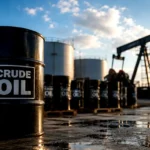
Oil prices reacted instantly to the news of the drone strikes. Global benchmark crude prices spiked early Monday morning, surging more than 2.5 percent to cross the $85 per barrel mark. When the Gulf region experiences military conflict, the risk of massive supply chain disruptions increases dramatically. Energy traders worry that these attacks could block millions of barrels of oil from reaching their international destinations, driving up energy costs for everyone.
Rising oil prices create a devastating domino effect for the global economy. When energy costs go up, factories pay more to operate, and shipping companies spend more on fuel. These businesses then pass those extra costs directly to everyday consumers at the checkout counter. This process fuels inflation. Central banks like the European Central Bank have spent the last two years desperately fighting to bring inflation back down to their strict 2.0 percent target. A new surge in oil prices threatens to erase all their hard work.
Because investors expect inflation to rise again, they aggressively dumped government bonds on Monday. This massive sell-off caused bond yields to spike, as bond prices and yields move in opposite directions. The yield on the benchmark 10-year United States Treasury note quickly jumped near 4.5 percent, while European bonds experienced similar sharp increases. High bond yields make borrowing money much more expensive for governments, businesses, and families looking to buy homes.
Asian stock markets felt the impact of this financial storm before the European markets even opened. Share prices across Asia took a serious beating on Monday morning. Major indexes in Tokyo and Hong Kong dropped by more than 1.5 percent as traders reacted to the toxic combination of expensive oil and soaring bond yields. Investors pulled their money out of the stock market and looked for safer places to hide their cash until the geopolitical tensions cool down.
The G7 finance ministers meeting in Paris now takes on a much more urgent tone. Representatives from the 7 wealthiest advanced economies originally planned to discuss routine economic policies. Now they must find a way to calm global financial markets. They need to address the immediate threat of the Gulf drone attacks and build a strategy to protect their economies from another massive energy shock.
Lagarde and her colleagues at the European Central Bank face an incredibly difficult choice in the coming weeks. They currently hold their main interest rates at a record high of 4.0 percent. If the bond sell-off continues and inflation climbs higher, the central bank might have to delay any planned rate cuts. Keeping interest rates high hurts economic growth and makes it harder for businesses to expand and hire new workers.
Financial experts warn that the markets will remain highly sensitive over the next 48 hours. Traders will watch the Gulf region closely for any further military escalation or drone activity. They will also analyze every single word spoken by Lagarde and the other finance ministers attending the Paris summit. The global economy currently stands on very shaky ground. Central bank leaders know they must act carefully and coordinate their efforts to prevent a simple 2.0 percent market drop from turning into a full-blown financial crisis that could wipe out trillions of dollars in global wealth.
The coming days will definitely test the resilience of the global financial system. Consumers already feel the heavy burden of high living costs, and another spike in energy prices could drastically reduce household spending. As Lagarde noted, worrying is her job, and the current combination of military conflict, rising oil prices, and falling bond prices gives the world’s top financial leaders plenty of reasons to stay awake at night.