

Key Points:
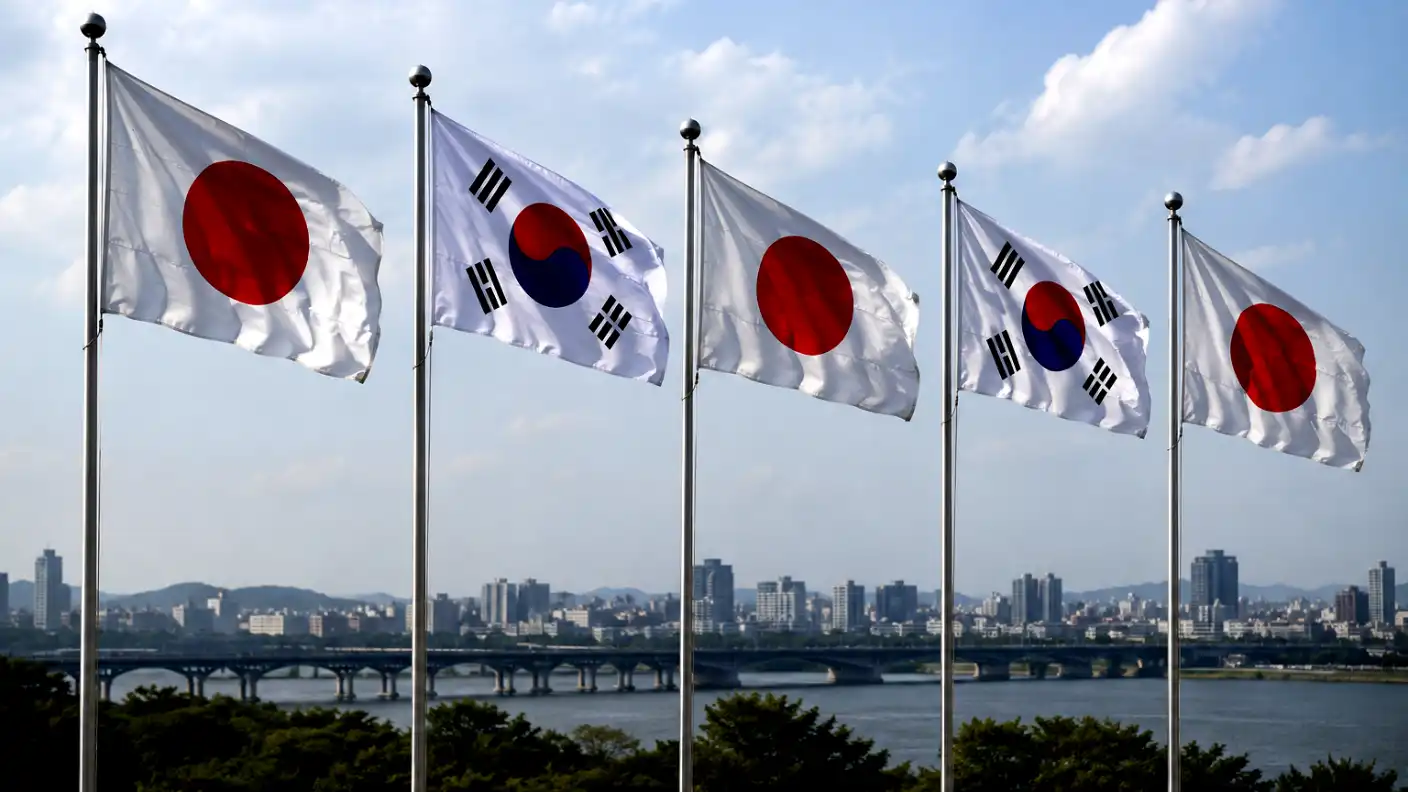
- Japanese Prime Minister Sanae Takaichi and South Korean President Lee Jae Myung meet in Andong for a two-day diplomatic summit.
- The two leaders plan to build a united front to secure stable energy resources amid the ongoing war in Iran.
- This trip highlights strong shuttle diplomacy, as Takaichi visits Lee’s hometown just months after visiting her native Nara Prefecture.
- Tokyo and Seoul aim to strengthen supply chains for critical minerals while discussing recent talks between the United States and China.
Japanese Prime Minister Sanae Takaichi and South Korean President Lee Jae Myung will meet on Tuesday to tackle an urgent economic threat. Takaichi travels to the southeastern South Korean city of Andong, Lee’s hometown, for a crucial two-day visit. The two leaders plan to boost their cooperation and ensure a stable supply of vital energy resources. They face mounting pressure to protect their national economies from massive global disruptions stemming from the ongoing conflict in the Middle East.
Both Japan and South Korea spend billions of dollars on crude oil imports from the Middle East to keep their factories running and their cities powered. A shared crisis emerged in late February when Israeli and United States military forces launched attacks on Iran. This violent conflict effectively closed the Strait of Hormuz, a key global artery for crude oil shipping. With this vital waterway shut down, Tokyo and Seoul must work together to secure alternative oil shipments and related petroleum products.
Beyond immediate oil shortages, the two leaders will dive into broader economic security challenges. Japanese government officials noted that Takaichi and Lee plan to discuss strategies for building highly resilient supply chains. They specifically want to secure critical minerals that power modern technology and green energy projects. By combining their economic leverage, Japan and South Korea hope to avoid future material shortages that could damage their massive manufacturing sectors.
This summit in Andong represents a major milestone for bilateral relations. The two-day trip continues a healthy practice of leader-level reciprocal visits, commonly known as shuttle diplomacy. In January, Lee traveled to Nara in western Japan, the capital of Takaichi’s home prefecture. South Korea’s presidential office noted that this exchange marks the first time the leaders of the two nations have visited each other’s home regions.
This friendly hometown diplomacy reflects a massive shift in Tokyo-Seoul relations over the last few years. Until recently, the relationship between the two Asian neighbors sat at its absolute worst point in decades. The two nations fiercely disputed compensation for alleged forced labor during Japan’s colonial rule of the Korean Peninsula between 1910 and 1945. These bitter historical and territorial arguments completely froze top-level diplomatic talks for 12 years.
The diplomatic freeze finally thawed in 2023. Lee’s predecessor, Yoon Suk Yeol, announced a formal solution to the wartime labor issue and officially resumed mutual leader visits. Yoon eventually faced impeachment after a short-lived declaration of martial law sparked massive domestic protests. Following the political chaos, Lee took over the presidency last June. Even though political commentators once knew Lee for his harsh stance on Japan, he chose to maintain these improved diplomatic ties.
Takaichi also prioritized this vital relationship immediately after she took office. Just one week after becoming Prime Minister in October, she traveled to South Korea to attend an Asia-Pacific Economic Cooperation forum summit in Gyeongju. During that visit, she held her first direct meeting with Lee. This upcoming summit in Andong will mark their third direct meeting in less than a year, proving their commitment to frequent communication.
Economic survival forms just one part of their shared agenda. Japan and South Korea face growing military threats right in their own backyard. North Korea continues to develop its missile programs and nuclear weapons capabilities aggressively. At the same time, China actively intensifies its military activities across the region. To counter these threats, Tokyo and Seoul actively strengthen their bilateral defense cooperation. They also expand their trilateral military exercises with their common security ally, the United States.
Global superpower politics will also shape the conversation in Andong. Government officials expect Takaichi and Lee to analyze last week’s high-stakes meeting between Chinese President Xi Jinping and United States President Donald Trump in Beijing. Japan and South Korea must carefully navigate the fierce competition between Washington and Beijing, as both superpowers heavily influence the economic and security landscape of East Asia.
As Takaichi arrives in Andong, the two leaders aim to show their citizens that cooperation yields real benefits. Finding reliable crude oil and securing rare minerals will help stabilize energy prices and protect local jobs in both countries. By stepping away from the formal capital cities and meeting in a traditional hometown setting, Takaichi and Lee hope to build a deeper personal trust that will carry their nations through a highly turbulent era of global politics.






