Key Points:
- President Donald Trump delayed a planned military strike on Iran following urgent appeals from Persian Gulf allies.
- Oil prices dropped noticeably, with Brent crude falling 2.17 percent to USD 109.67 per barrel as the immediate threat of escalation cooled.
- Diplomatic talks remain completely stalled after both the United States and Iran rejected recent peace proposals.
- Drone strikes targeted areas near a nuclear power plant in the UAE and airspace in Saudi Arabia, highlighting the fragile security situation.
President Donald Trump canceled a planned military strike on Iran scheduled for Tuesday. The decision came after leaders from allied Persian Gulf nations urgently asked him to give diplomatic efforts more time. The sudden reversal avoids a major escalation in the ongoing conflict, which has already choked off vital oil shipments and shaken global markets.
During a White House event on Monday evening, Trump explained his reasoning to reporters. He noted that leaders from Saudi Arabia, Qatar, the United Arab Emirates, and other regional powers asked him to delay the attack for a few days. They believe negotiators are getting very close to finalizing a peace deal. Trump stated he put the strike on hold for a little while, adding that he hopes the delay lasts forever. However, he warned that the military remains ready to act if the two sides cannot reach an acceptable agreement that prevents Iran from obtaining nuclear weapons.
The news immediately sent ripples through the financial markets. Traders closely watched the mixed signals regarding a potential end to the war and the reopening of the crucial Strait of Hormuz. Stock markets experienced a choppy trading session, with the S&P 500 nearly wiping out its early morning losses right after Trump spoke.
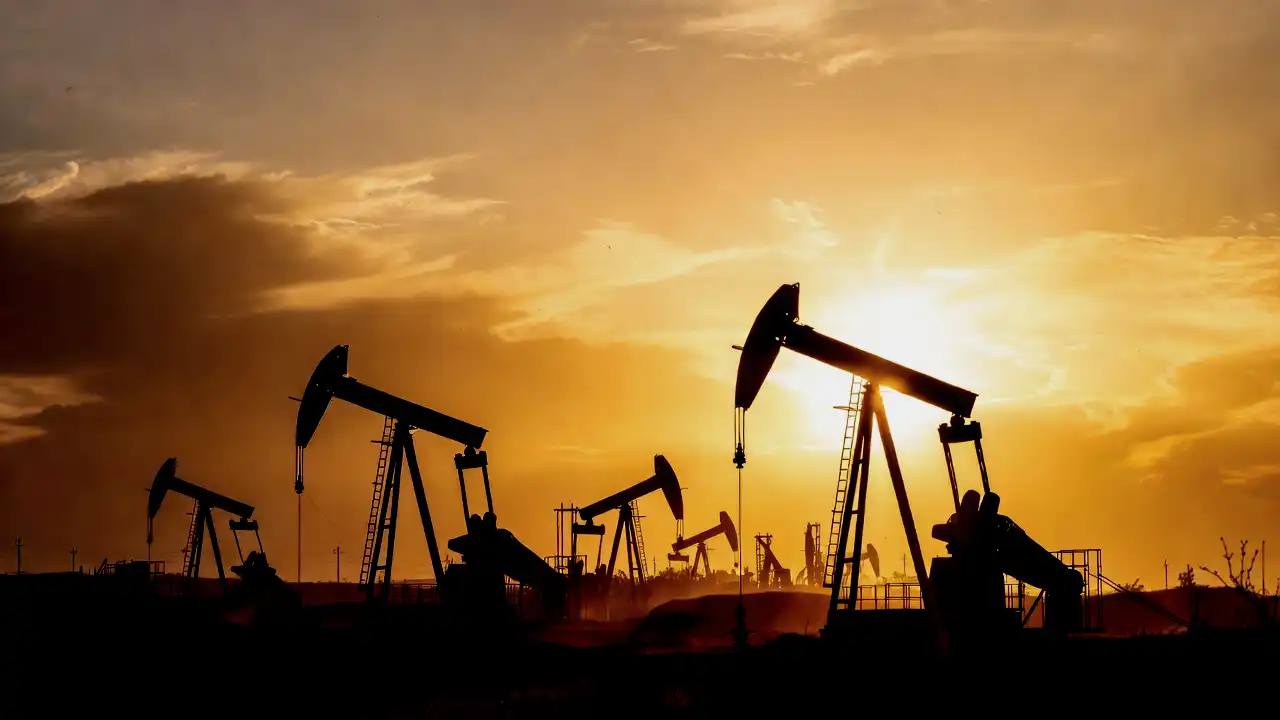
Energy markets also reacted sharply to the reduced threat of immediate military escalation. Light crude oil prices fell 1.64 percent to sit at 102.67 USD per barrel. Brent crude oil experienced a steeper drop, falling 2.17 percent to reach 109.67 USD per barrel. Meanwhile, natural gas prices remained relatively steady, dipping just 0.03 percent to trade at 3.023 USD per million British thermal units.
Despite the pause in military action, serious gaps remain at the negotiating table. Earlier on Monday, both Washington and Tehran rejected new proposals, claiming they fell short of securing a real agreement. The White House dismissed an offer that Iran delivered through Pakistani mediators over the weekend. According to a senior US official, the Iranian proposal lacked meaningful commitments regarding the surrender of its highly enriched uranium stockpile and the complete suspension of future nuclear enrichment.
At the same time, Iranian officials called the American demands unacceptable. Tehran refuses to abandon its core positions. The country continues to demand the return of its frozen financial assets and insists that the United States pay compensation for the ongoing war. Pakistan’s Interior Minister Mohsin Naqvi recently arrived in Tehran and met with Iranian Foreign Minister Abbas Araghchi, underscoring ongoing regional efforts to bridge this major diplomatic divide.
Conflicting reports about the specific offers continue to surface. Iran’s semi-official Tasnim news agency claimed the United States offered to lift sanctions on Iranian oil sales until both sides reached a final deal. An unnamed US official quickly called the story false but refused to provide further details. Tasnim also reported that Iran considers the current demands excessive and will never agree to end the war if it means sacrificing its nuclear program.
The ongoing conflict puts severe pressure on the Trump administration, especially as high oil prices frustrate American consumers. To ease this burden, the Treasury Department announced Monday that it will extend a special sanctions waiver for another 30 days. This waiver allows the continued sale of Russian oil on the global market. Treasury Secretary Scott Bessent explained that this move gives vulnerable nations temporary access to Russian oil currently stranded at sea.
Trump also looks to China for help with the energy crisis. While returning from a recent summit in Beijing, the president told reporters he spoke with Chinese President Xi Jinping about lifting sanctions on Chinese oil companies that purchase Iranian crude. Before the war disrupted global supply lines, China bought roughly 90 percent of all Iranian oil exports.
Even with the strike delayed, the situation on the ground remains incredibly fragile. On Monday, the United Arab Emirates reported a drone strike near a major nuclear power plant. The country’s defense ministry stated that the projectile was launched from the west, and that air defense systems successfully intercepted two other incoming drones before they hit their targets. The International Atomic Energy Agency confirmed that emergency diesel generators turned on to supply power to the plant’s third unit, while local officials assured the public that no radiation leaked.
Violence also spilled over into neighboring borders. Saudi Arabia reported that it intercepted and destroyed three drones entering its airspace on Sunday. These drones flew in from Iraq, a country that hosts numerous heavily armed militias backed by Iran. Military officials have not yet determined if the drones flying over Saudi Arabia were part of the same coordinated attack that targeted the nuclear plant in the United Arab Emirates.