Key Points:
- TotalEnergies bought a 50% stake in EPH power plants through a €5.1 billion stock deal.
- The new joint venture will operate 12.5 gigawatts of fossil-gas power plants across Europe.
- Campaigners warn the partnership traps Europe into another decade of expensive fossil fuel dependency.
- Environmental groups accuse both companies of exploiting government subsidies meant for emergency grid backup.
A French oil giant and a Czech energy group joined forces to build one of Europe’s largest gas power networks. The partnership gives TotalEnergies a 50% stake in EPH’s flexible power generation portfolio. In return, EPH received roughly €5.1 billion in TotalEnergies stock. This massive transaction makes the Czech company one of the largest shareholders in the French energy business. The deal became official on April 29, but climate advocates quickly raised serious alarms.
The new joint venture covers 14 gigawatts of power assets spread across France, Ireland, Italy, the Netherlands, and the UK. Fossil gas plants make up a staggering 12.5 gigawatts of this total portfolio. To put this massive number into perspective, this single venture will control as much gas power capacity as Belgium, Denmark, Portugal, and Sweden combined.
TotalEnergies defends the acquisition as a key part of its clean energy strategy. The company claims Europe needs flexible backup power to step in when wind and solar energy production drops. However, a new report from the campaign group Beyond Fossil Fuels paints a very different picture. The group warns that this specific venture will increase household energy bills and severely delay the European transition to clean energy.
Technical details in the report expose major flaws in the corporate strategy. Combined cycle gas turbines power 87% of the plants in this new portfolio. Engineers specifically designed these large turbines for steady, long-term power generation. These massive machines take a very long time to start up and reach full power. When grid operators need quick bursts of emergency energy, these slow plants fail to respond effectively.
The French non-profit group Reclaim Finance found that forcing these slow turbines to act quickly causes major problems. Rapid stops and starts damage the machinery, hurt overall profitability, and significantly increase carbon emissions. Grid operators prefer open-cycle gas turbines because they can start up and hit maximum power in just a few minutes. Yet, among all the operating plants in this joint venture, only 2 use this faster technology.
Despite these technical mismatch issues, gas still plays a major role in managing the European power grid. The International Energy Agency noted that natural gas consumption for European power generation jumped nearly 8% in 2025. Periods of low wind and low water power outputs drove this sudden increase. European grid operators admit that flexible power remains essential while countries build more renewable energy sources.
To keep backup plants ready for emergencies, European governments pay massive subsidies to power companies. Beyond Fossil Fuels discovered that governments handed out roughly €90 billion in these capacity payments between 2014 and 2024. Fossil fuel projects took more than half of that taxpayer money. The campaign group warns the new TotalEnergies and EPH venture, named TTEP, will rely heavily on these government payouts to survive.
Company documents confirm this strategy. During an investor presentation in November 2025, TotalEnergies highlighted attractive capacity markets in Italy and the UK as key reasons for the deal. The new Beyond Fossil Fuels report shows that taxpayers already gave more than €4.08 billion in capacity subsidies to the plants in this portfolio between 2015 and 2024.
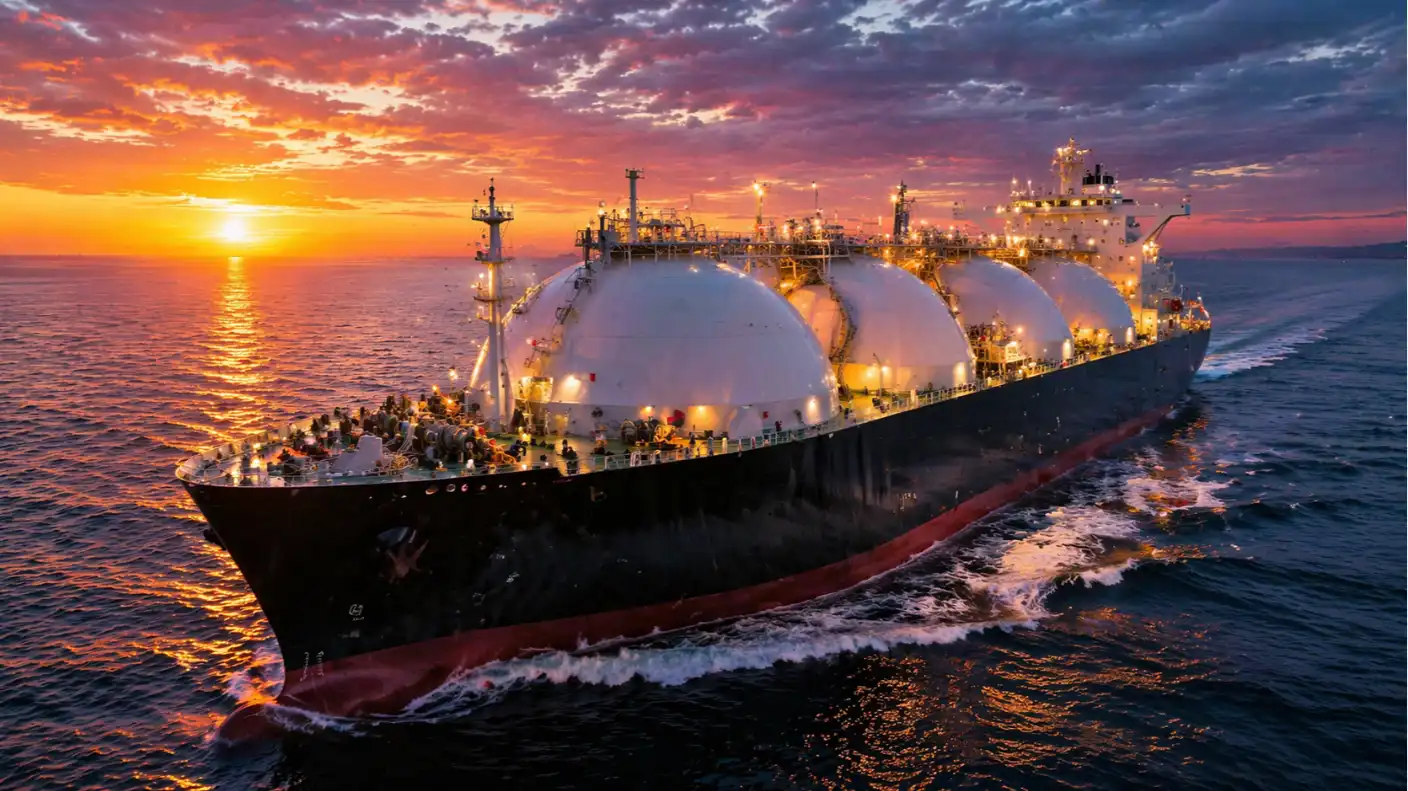
The joint venture also creates a guaranteed buyer for TotalEnergies’ core gas trading business. The company expects the new power plants to burn about 2 million tonnes of liquefied natural gas every single year. TotalEnergies will source this gas globally and sell it directly to its own power plants. This closed loop allows the oil giant to collect massive revenue at both the supply and generation ends of the chain.
Brigitte Alarcon, a campaigner at Beyond Fossil Fuels, says this deal only benefits wealthy oil and gas executives. She estimates these gas imports will cost Europe between €6.68 billion and €7.56 billion over the next 5 years. Over the same period, the joint venture will emit as much climate pollution as the entire country of Ireland produces in a single year. She accuses the companies of engineering a fake need for flexible generation just to sell more fossil fuels.
Both companies carry highly controversial climate records. A Paris court ruled in October 2025 that TotalEnergies ran illegal and misleading advertisements because the company constantly expanded oil production while claiming to care about the climate. Meanwhile, Czech billionaire Daniel Kretinsky controls EPH, which remains Europe’s largest coal producer. EPH claims it will exit coal by 2030, but investigators found that the company had simply shifted its dirty coal assets to a sister firm to hide the pollution.
Environmental groups now demand that global banks stop funding these projects. Remi Hermant from Reclaim Finance says the alliance between Europe’s top gas power developer and its biggest gas importer will actively destabilize the economy. Campaigners argue this deal fails to improve European energy security. They say it simply swaps a dangerous reliance on Russian pipelines for an equally dangerous dependence on expensive global gas shipments.