Key Points:
- US-based Orion Infrastructure Capital takes over Carbon Revolution after creditors formally approved the rescue deal.
- The Australian manufacturer lost $347 million over four years before bringing in administrators in March.
- The new restructuring plan clears massive debts and saves the jobs of nearly 350 factory workers.
- High local manufacturing costs and shifting electric-vehicle policies caused the company to run out of cash.
A major private equity group from the United States has just rescued an Australian electric-vehicle parts manufacturer from total collapse. Orion Infrastructure Capital will officially take ownership of Carbon Revolution. The lifeline comes after the lightweight-wheel maker racked up $347 million in losses over the past four years. Creditors met on Tuesday and voted to approve the takeover deal, giving the struggling business a much-needed second chance.
Carbon Revolution originally appointed McGrathNicol as its administrator back in March. The company simply could not survive its mounting operating costs, dropping daily revenues, and sudden loss of major automotive customers. Now, the new restructuring plan wipes out a massive chunk of that debt. The deal allows the factory to keep its doors open and fulfill its remaining orders.
Company leaders say the new financial plan prevents massive employee layoffs. Throughout the entire administration process, Carbon Revolution managed to keep its nearly 350 factory workers on the payroll. The rescue deal also stops local landlords from kicking the company out of its leased buildings. Before the buyout, the manufacturer owed almost $8 million in lease liabilities to its primary landlord, Deakin.
Chief Executive Officer Donald Hampton Jr celebrated the successful exit from administration. He said the company now operates from a much stronger financial foundation. Hampton noted that the leadership team still has a lot of hard work ahead of them to fix the business model. Moving forward, the company plans to focus heavily on disciplined factory operations and building new strategic partnerships to support car buyers around the world.
The business failed for several clear reasons. Company directors blamed the initial collapse on major clients suddenly canceling their large supply contracts. Annual financial losses continued to pile up year after year. The company lost $97 million in the 2025 financial year alone. The bleeding continued when they lost another $43 million in the nine months leading up to March of this year. Overall, the company recorded $347 million in losses between July 2022 and February 2026.
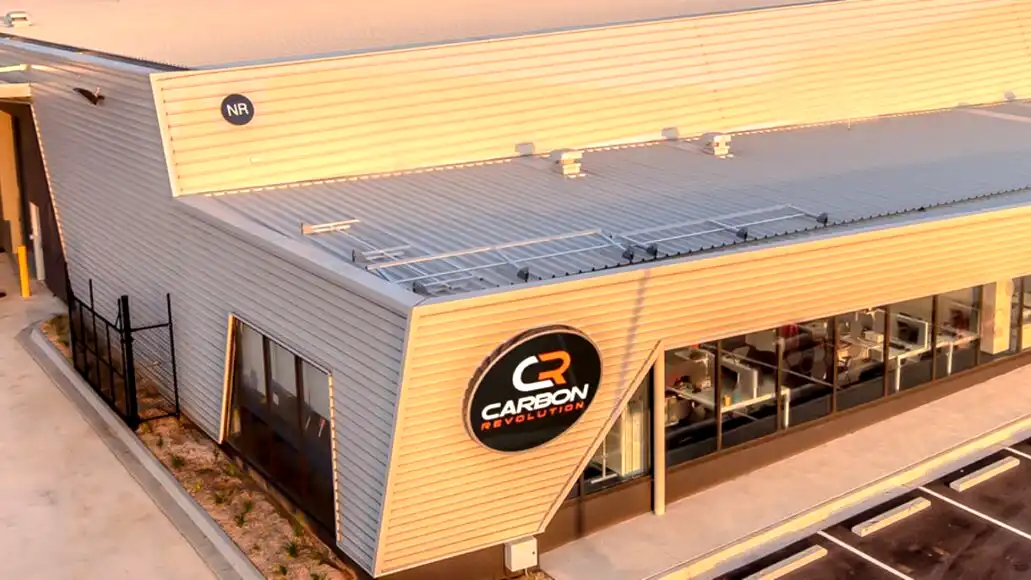
Geography also played a major role in the downfall. Carbon Revolution operates its main manufacturing factory in Geelong. This location sits very far away from most global auto suppliers and buyers in Europe and North America. Shipping heavy car parts across the ocean eats heavily into daily profits. On top of the vast distance, Australia features a very high-cost manufacturing environment compared to other industrial nations.
The global political climate hurt the company just as much. Carbon Revolution aggressively targeted the growing electric vehicle market. Lightweight wheels help heavy battery-powered cars drive further on a single charge. However, recent policies from US President Donald Trump actively disadvantaged low-emission cars. These political moves cooled consumer demand for electric vehicles in the United States and directly hit the Australian wheel maker’s bottom line.
Administrators from McGrathNicol dug into the company’s books and found serious cash problems long before the public knew about them. They determined that Carbon Revolution actually ran out of cash and became insolvent around early December 2025. Slow market demand for its products completely drained the bank accounts right before the new year.
The financial ruin marks a sad chapter for a company that once showed massive national promise. In 2019, the Victorian government, under former Premier Daniel Andrews, granted the manufacturer a $20 million state loan. That taxpayer money helped the company scale up its factory operations and list its shares on the Australian Securities Exchange later that same year.
Company executives wanted even greater access to global capital markets, so they moved their stock listing to Nasdaq in the United States in 2023. That ambitious dream ended quickly. The Nasdaq officially delisted Carbon Revolution earlier this year when the company’s financials completely fell apart. Without a public stock listing, the company had no way to raise emergency cash.
Despite the deep financial troubles, the company still makes a premium product that top automakers want. Carbon Revolution builds specialized carbon fiber wheels for major car groups. Famous high-end brands like Ford, Lamborghini, and Ferrari buy these wheels to make their expensive sports cars run faster and handle better on the race track.
The factory in Geelong also served as a popular photo opportunity for Australian politicians over the years. Former Prime Minister Malcolm Turnbull visited the plant in 2016. He proudly held a lightweight wheel over his head and called it the best technology in the world. Bill Shorten also toured the same factory floor during his election campaign in 2019. Now, with American cash backing the operation, those local workers finally have a real chance to keep building that technology.