Key Points:
- Moody’s downgraded Mexico from a Baa2 rating to a Baa3 rating on Tuesday.
- Government gross debt will likely reach 55 percent of the national gross domestic product by 2028.
- Mexico gave $35 billion to its state oil company, PEMEX, in 2025 and plans to give another $14 billion in 2026.
- Analysts expect economic growth to drop 1 percent in 2026 before slowly recovering toward normal levels.
Moody’s downgraded Mexico’s credit rating on Tuesday. The financial agency lowered the long-term local and foreign-currency issuer ratings from Baa2 down to Baa3. At the same time, analysts revised the country’s outlook from negative to stable. This major financial move signals growing trouble for the Mexican government as it struggles to balance its national checkbook.
The downgrade highlights a steady decline in the country’s fiscal strength. This financial weakness accelerated in 2024, and experts expect the problems to persist for a while. The government faces a tough combination of strict spending requirements and a very narrow tax base. At the same time, national leaders continue to pour massive amounts of money into Petroleos Mexicanos, the struggling state-owned oil company.
These heavy financial burdens make it nearly impossible for the government to stop the national debt from growing. The fiscal deficit in Mexico remained dangerously high at almost 5 percent of gross domestic product in 2025. This number represents only a tiny drop from the 5.3 percent deficit recorded in 2024. Because the government spends more than it earns, the national debt keeps climbing every year.
Government gross debt jumped to 49.3 percent of the gross domestic product in 2025. This represents a huge leap from 46.0 percent in 2024 and an even bigger jump from the 39.8 percent debt level seen in 2023. Moody’s expects the federal government deficits to remain above 4 percent throughout 2026 and 2027. If this spending trend continues, the total debt ratio will likely reach 55 percent by 2028.
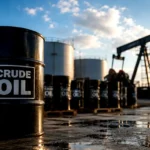
The state oil company acts as a massive drain on the national treasury. The Mexican government handed approximately $35 billion directly to PEMEX during 2025. That massive bailout amounts to roughly 1.9 percent of the country’s gross domestic product. Leaders already budgeted an additional $14 billion to support the failing oil giant in 2026. Moody’s expects the government will need to supply even more cash in the coming years unless the company drastically improves its daily operations.
Pumping money into the oil company comes with serious consequences. The government now relies heavily on expensive domestic financing to pay its bills. Combined with higher interest rates worldwide, these financial choices have pushed the national interest-to-revenue ratio to about 17 percent. This heavy interest burden is well above the levels seen before the pandemic and appears much worse than in other countries with similar Baa ratings.
Economic growth in Mexico is also slowing down right when the government needs cash the most. Moody’s lowered its real economic growth forecast for the country to less than 1 percent for the year 2026. Analysts expect growth to reach just 1.3 percent in 2027. This sluggish performance means the country will only average about 1 percent growth between 2024 and 2027. This number falls far short of the historic 2 percent long-term average that Mexico usually enjoys.
Since 2023, the government has repeatedly ignored its own financial rules. These frequent deviations damaged the credibility of national fiscal policies. The massive deficits in 2024 and 2025 failed to meet the government’s official financial targets. When a country ignores its own budget limits, international investors lose confidence, and borrow costs naturally rise. Citizens eventually feel the pain of these broken rules when the government has less money to spend on roads, schools, and public programs.
Despite the downgrade, Moody’s offered a bit of good news by revising the national outlook to stable. The rating agency believes that any further weakening in government finances will happen very slowly. Experts think Mexico’s broad macroeconomic stability will help offset rising debt. The Mexican economy still possesses strong underlying features that can protect it from a total financial crash.
Looking ahead, the rating agency projects that the Mexican economy will gradually recover. Analysts expect business activity to slowly climb back toward the normal 2 percent growth trend over the next few years. They believe government leaders can take specific actions to improve local conditions for private investment. If the government can attract fresh business money, Mexico might finally fix its heavy debt problem and restore its credit score. Until then, international lenders will closely monitor the spending habits of the Mexican government.