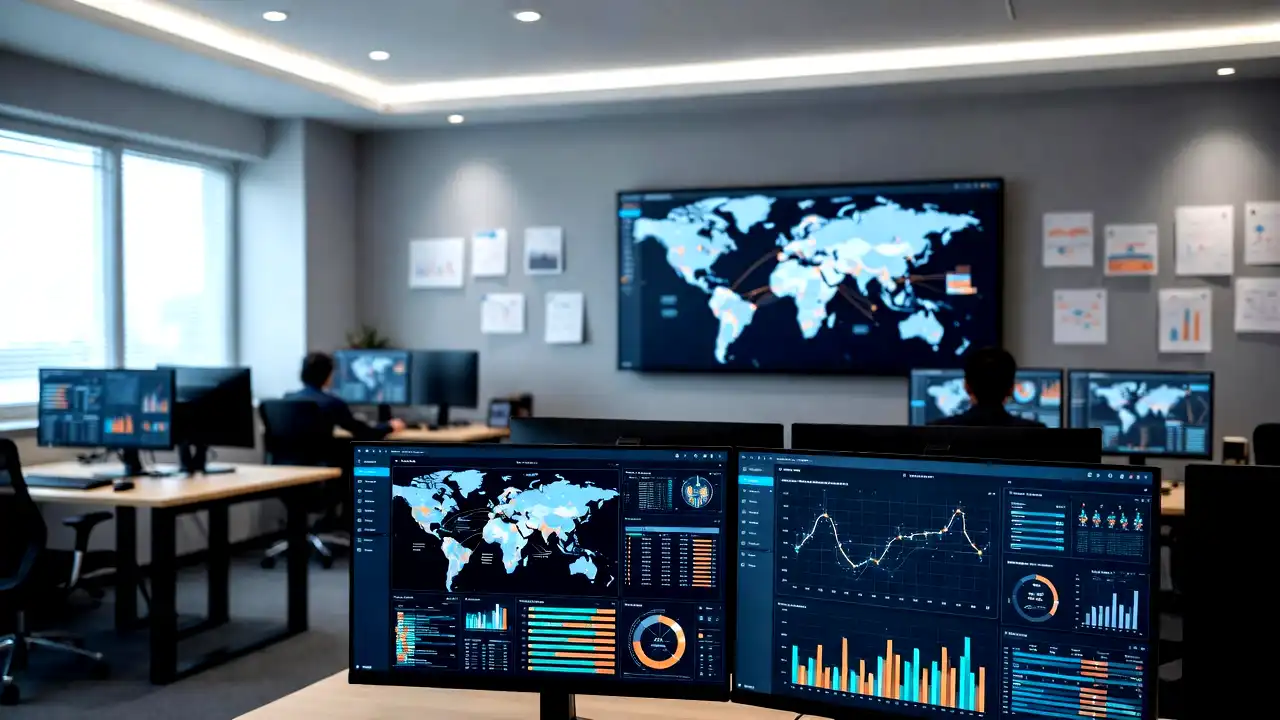
We love our gadgets. We track our shipments with obsessive detail, we wait in line for the latest smartphone, and we upgrade our laptops the moment a thinner model hits the market. But have you ever stopped to wonder where these things actually come from? The tech industry excels at crafting beautiful, minimalist devices, but it often excels just as much at hiding the complex, messy, and sometimes brutal reality of their production. The journey of a single smartphone component begins in a remote mine, travels through dozens of factories across multiple continents, and finally reaches your hands. This journey is often paved with human suffering, environmental ruin, and exploitation. Building an ethical supply chain is no longer just a “nice-to-have” corporate initiative; it is a moral imperative that the industry can no longer afford to ignore.
The Myth of the Clean Technology
For years, the tech industry successfully cultivated the myth that its products were somehow “cleaner” than the smokestack industries of the past. We think of engineers in white lab coats, not miners in hazardous tunnels. We think of sleek software, not toxic chemicals and slave labor. This perception is a carefully curated marketing triumph. The truth is that the tech industry is one of the most resource-intensive sectors on Earth. From the rare earth metals needed for our batteries to the water-intensive processes used to manufacture silicon chips, the industry relies on a global web of extraction that is anything but clean. If we want to claim that our devices are part of a better future, we have to stop ignoring their dark history.
The Ethical Minefield of Rare Earth Minerals
The first and most dangerous stop on the supply chain is the mine. Our phones, cars, and computers are packed with minerals like cobalt, lithium, and tantalum. Many of these resources are pulled from the ground in regions plagued by conflict, corruption, and systemic poverty. In the Democratic Republic of Congo, for example, cobalt mining is notoriously tied to dangerous working conditions and child labor. Companies often claim they don’t know exactly where their minerals come from, citing the complexity of global trade. This is an admission of failure, not a defense. If you have the logistical genius to ship millions of devices across the world, you have the genius to know exactly where the rocks that power them were dug up.
The Environmental Cost of Our Digital Appetite
Beyond the human cost, there is the environmental toll. The race to build more powerful devices faster has created a culture of extreme consumption. We treat our electronics as disposable items, swapping them out every two years, which creates an endless demand for raw materials. This cycle requires constant, aggressive mining, which leads to deforestation, water contamination, and the destruction of local ecosystems. When we ignore the lifecycle of our tech, we aren’t just buying a gadget; we are participating in a system that views the planet as a warehouse of infinite, cheap resources. An ethical supply chain must start by acknowledging that resources are finite and that the environment has a value that can’t be measured in profit margins.
Why Transparency Must Be the New Default
Transparency is the antidote to the current crisis. Right now, most supply chain information is shrouded in secrecy, protected by trade agreements and corporate non-disclosure contracts. This has to end. Ethical companies should be willing to open their supply chains to public scrutiny. They should list their suppliers, share the results of third-party audits, and be honest about the challenges they face. If a company can’t tell you who is making its components and under what conditions, you should assume the worst. Transparency forces companies to take responsibility because it’s much harder to ignore a problem when it’s published on your website for the world to see.
The Role of the Consumer in Driving Change
We like to blame the big companies, and we are right to do so. They hold the power and the capital. But we, the consumers, are the silent partners in this system. Our demand for ever-cheaper, ever-faster upgrades fuels the very industry that refuses to be ethical. If we don’t demand better, they won’t change. We need to start asking harder questions. We need to support the companies that are actually trying to do the right thing and stop buying from those who aren’t. We need to normalize keeping our phones for four years instead of two. Our choices as buyers act as a megaphone, and it’s time we used that megaphone to demand a supply chain that doesn’t rely on exploitation.
The Challenge of Global Regulation
Voluntary corporate responsibility is great, but it is not enough. We cannot expect a company to voluntarily pay more for ethical labor if its competitor is still using the cheapest, most unethical supply chain possible. This is why we need strong, international regulations. Governments need to mandate supply chain due diligence, requiring companies to certify that their products are free from forced labor and environmental crime. We need a global standard that treats ethical supply chains as a basic requirement for doing business, not as an optional corporate badge of honor. Without a level playing field, the companies that try to be ethical will always be undercut by those who don’t.
The Future of Ethical Tech
Is it possible to build a truly ethical tech industry? It is a monumental challenge, but we have the tools to do it. We have the technology to track minerals through the supply chain. We have auditing systems in place to monitor factory conditions. We can design products that are easier to repair, recycle, and reuse. The real barrier isn’t the difficulty of the logistics; it’s the lack of corporate will to change a system that is currently optimized for greed.
Conclusion
The tech industry has spent decades building the future. But the future is only worth building if it doesn’t leave a trail of broken lives and ruined environments behind it. Ethical supply chains are not just a PR requirement; they are a moral mandate. We have to stop viewing the components of our tech as “things” and start seeing them as the products of human labor and planetary resources. A device that costs a human soul to produce is not a bargain, no matter how much it improves our lives. It’s time for the industry to grow up, take responsibility, and finally build a future as clean as the products it sells.