
Key Points:
- Canadian Prime Minister Mark Carney and Chinese Foreign Minister Wang Yi pledged to deepen bilateral trade and financial ties.
- Carney highlighted Canada’s willingness to expand cooperation in high-value sectors, including energy, finance, and agriculture.
- Ottawa formally backed China’s hosting of the upcoming APEC Economic Leaders’ Meeting scheduled for November 2026.
- The diplomatic reset comes as both nations seek to navigate intense global supply chain shocks and support open world trade.
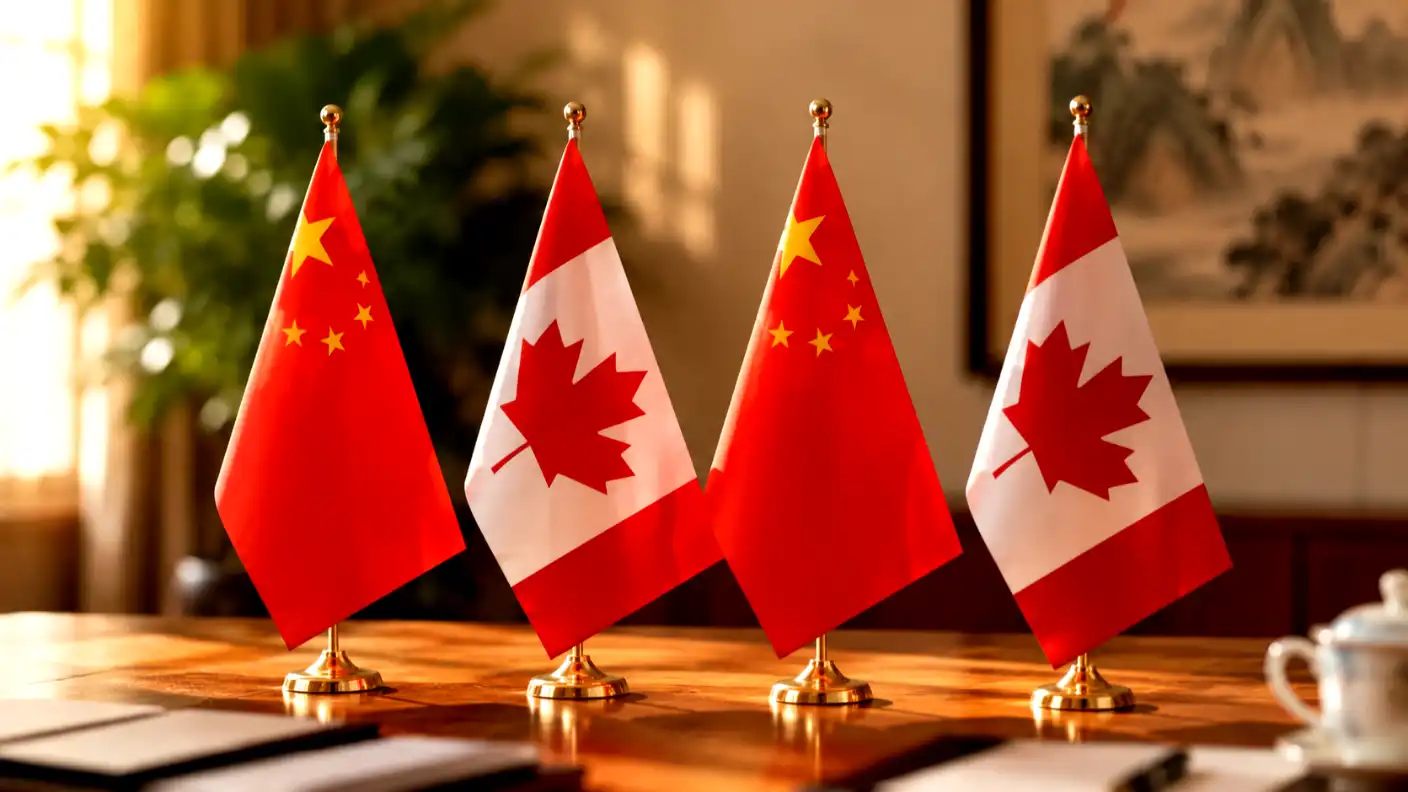
Canadian Prime Minister Mark Carney and visiting Chinese Foreign Minister Wang Yi held high-level discussions in Ottawa on Friday, May 29, 2026, pledging to rebuild and deepen their bilateral trade and diplomatic ties. The meeting marks a highly significant, pragmatic reset in relations between the two Pacific Rim economies. Both leaders expressed a strong, mutual commitment to upholding multilateralism, defending the international rule of law, and supporting open free trade during a period of intense global geopolitical and economic instability.
The diplomatic reset reflects the economic-first foreign policy of Canada’s new Prime Minister, Mark Carney. As the highly respected former governor of both the Bank of Canada and the Bank of England, Carney took office with a mandate to boost Canada’s sluggish productivity and expand its international trade channels. During the Friday meeting, Carney voiced Canada’s willingness to work closely with Beijing to maintain steady, high-level diplomatic exchanges, reduce trade barriers, and consolidate the core foundation of their bilateral relations.
At the heart of the new bilateral roadmap is a major push to expand cooperation across several high-value economic sectors. Carney highlighted energy, finance, agriculture, and fisheries as key areas with immense growth potential. For instance, Canada’s financial sector, which manages over $2.5 trillion in pension and investment assets, is looking to expand its footprint in Asia. At the same time, the country is rapidly building out its West Coast liquefied natural gas (LNG) infrastructure, opening up a potential $10 billion energy export corridor to Asian markets.
To further demonstrate its commitment to regional cooperation, Canada formally backed China’s hosting of the upcoming Asia-Pacific Economic Cooperation (APEC) Economic Leaders’ Meeting, scheduled for Shenzhen in November 2026. Carney stated that Ottawa is ready to work closely with Beijing to champion and practice multilateralism jointly. He noted that stabilizing regional trade networks is essential for making positive contributions to global economic development, preserving world peace, and protecting international supply chains.
Chinese Foreign Minister Wang Yi, who also serves as a member of the Political Bureau of the Communist Party of China Central Committee, welcomed the Prime Minister’s pragmatic approach. Wang emphasized that historical facts have proven that a better, more stable China-Canada relationship directly serves the fundamental interests of both nations and meets the expectations of the wider international community. He asserted that there are no clashes of fundamental interests between the two Pacific giants, leaving massive, unmapped room for mutual economic cooperation.
To successfully navigate this next phase of cooperation, Wang urged both Ottawa and Beijing to uphold strategic autonomy and actively support an open world economy. He warned that global protectionism and unilateral tariff barriers threaten to stifle economic growth, projecting that trade barriers could reduce global GDP by up to 1.5% annually if left unchecked. By standing firm against protectionist policies, both countries can protect their export-oriented industries and ensure that global supply chains remain highly resilient against external geopolitical shocks.
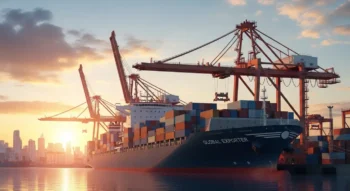
This bilateral reset arrives at a critical moment for the global economy, as the ongoing war in the Middle East continues to drive up energy and transport costs. The blockade of the Strait of Hormuz has severely disrupted shipping lanes, forcing logistics firms to spend billions of dollars to reroute cargo vessels. This energy-driven supply shock has cost the Canadian export economy over $1 billion in delayed shipments and inflated freight rates. By stabilizing trade ties with China, Canada hopes to secure its shipping networks and mitigate the inflationary pressures threatening local businesses.
As both Ottawa and Beijing prepare to implement the consensus reached by Carney and Wang, the future of their bilateral relationship looks increasingly promising. While the two nations still maintain differing views on certain regional security issues, their shared focus on economic pragmatism, agricultural trade, and financial cooperation provides a stable foundation for the future. By prioritizing mutual economic self-interest and championing free trade, Canada and China are proving that even amid extreme global volatility, major nations can collaborate to build a more prosperous world.