
Key Points:
- Massive bonus payments of up to $400,000 awarded to Samsung memory chip workers have triggered a nationwide debate over wealth distribution in South Korea.
- The lucrative payouts, tied to the global artificial intelligence boom, helped avert a potentially crippling strike at the Pyeongtaek manufacturing hub.
- In contrast to the massive chip-division windfalls, Samsung employees in other sectors, such as mobile and appliances, received average bonuses of just $4,000.
- South Korean policymakers are now considering structural reforms, including a “citizen dividend” funded by AI tax revenues, to curb the wealth gap.
Massive bonus payments tied to the global artificial intelligence boom have ignited a fierce nationwide debate in South Korea over how the wealth generated by the technology surge should be distributed across society. According to a Bloomberg report published on Friday, May 29, 2026, the controversy intensified after technology giant Samsung Electronics agreed to award some employees in its semiconductor division bonuses of up to $400,000 (approximately 513 million won) each. The scale of these payments has exposed a deep, highly sensitive wealth divide between the high-flying hardware engineers powering the AI revolution and the rest of the country’s workforce.
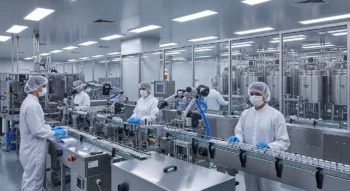
The lucrative, long-term bonus package was the result of a last-minute compromise to resolve an industrial crisis that threatened to disrupt the global technology supply chain. Nearly 48,000 semiconductor workers had planned to launch a highly disruptive, 18-day strike starting on May 21 at the company’s massive manufacturing complex in Pyeongtaek, one of the world’s largest chip fabrication hubs. Economists estimated that a total shutdown of the facility would have cost the South Korean economy up to 1 trillion won daily in lost industrial output. To avert this disaster, management agreed to direct 10.5% of its operating profits into stock bonuses, alongside a separate 1.5% cash component, over ten years.
While the deal successfully prevented a crippling strike, the extreme lopsidedness of the bonus structure has drawn fierce criticism from other Samsung employees. Workers outside the semiconductor division—specifically those in the company’s mobile, television, and home appliance segments—received significantly smaller payouts, with some awarded only about $4,000. These non-chip employees argue that they are being treated as second-class citizens within their own company, even though their divisions contribute heavily to maintaining the global strength of the Samsung brand.
This corporate divide mirrors a broader macroeconomic shift that has turned South Korea into one of the biggest beneficiaries of the global AI boom. Backed by memory-chip giants Samsung Electronics and SK Hynix, the country has successfully established a near-monopoly in high-bandwidth memory (HBM) and next-generation DRAM chips, which are essential for running Nvidia’s high-performance AI processors. According to the Ministry of Food and Drug Safety and trade databases, South Korea’s semiconductor exports jumped an astonishing 202% year-on-year during the first 20 days of May 2026, illustrating the immense scale of the industry’s expansion.
However, this tech-led export boom has also widened the income gap between high-skilled tech workers and the rest of the domestic workforce. The rapid concentration of wealth within a single, highly specialized sector has prompted South Korean policymakers and cabinet ministers to consider dramatic social reforms. Presidential policy chief Kim Yong-beom recently suggested that the government should use the massive tax revenues generated by the AI boom to fund a “citizen dividend.” Under this wealth-redistribution model, the state would distribute a baseline share of technological wealth directly to all citizens to offset the economic disruptions caused by automation.
In addition to the proposed citizen dividend, Labor Minister Kim Young-hoon has called on corporate and union leaders to begin formal discussions around a national “social solidarity wage.” Under this framework, high-earning workers and profitable conglomerates would voluntarily cap their wage increases and divert a portion of their profits to raise the salaries of lower-paid workers in subcontracting firms and non-tech sectors. This coordinated approach aims to prevent a complete fragmentation of the social fabric, ensuring that the benefits of technological progress are shared equitably across the entire community.
The structural mechanics of Samsung’s 10-year bonus program further highlight how corporations are using equity to bind their key talent to long-term performance. Under the ratified agreement, which could channel up to 40 trillion won (approximately $26.6 billion) to the chip division over the next decade, the stock bonuses will vest slowly. Employees can liquidate only one-third of their stock award immediately, with the remaining two-thirds parceled out in annual installments over the subsequent two years. This slow-release structure ensures that engineers remain highly incentivized to hit the company’s aggressive profit thresholds through 2035.
Ultimately, the high-stakes debate surrounding Samsung’s AI bonuses represents a critical test case for the global technology economy. As artificial intelligence continues to automate routine clerical tasks and concentrate wealth in the hands of a few hardware and software pioneers, other industrialized nations will likely face similar equity crises. If South Korea can successfully implement innovative social policies like the citizen dividend or the solidarity wage, it will set a vital precedent for how modern societies can harness the wealth of the AI revolution to build a more inclusive, resilient, and stable financial future.