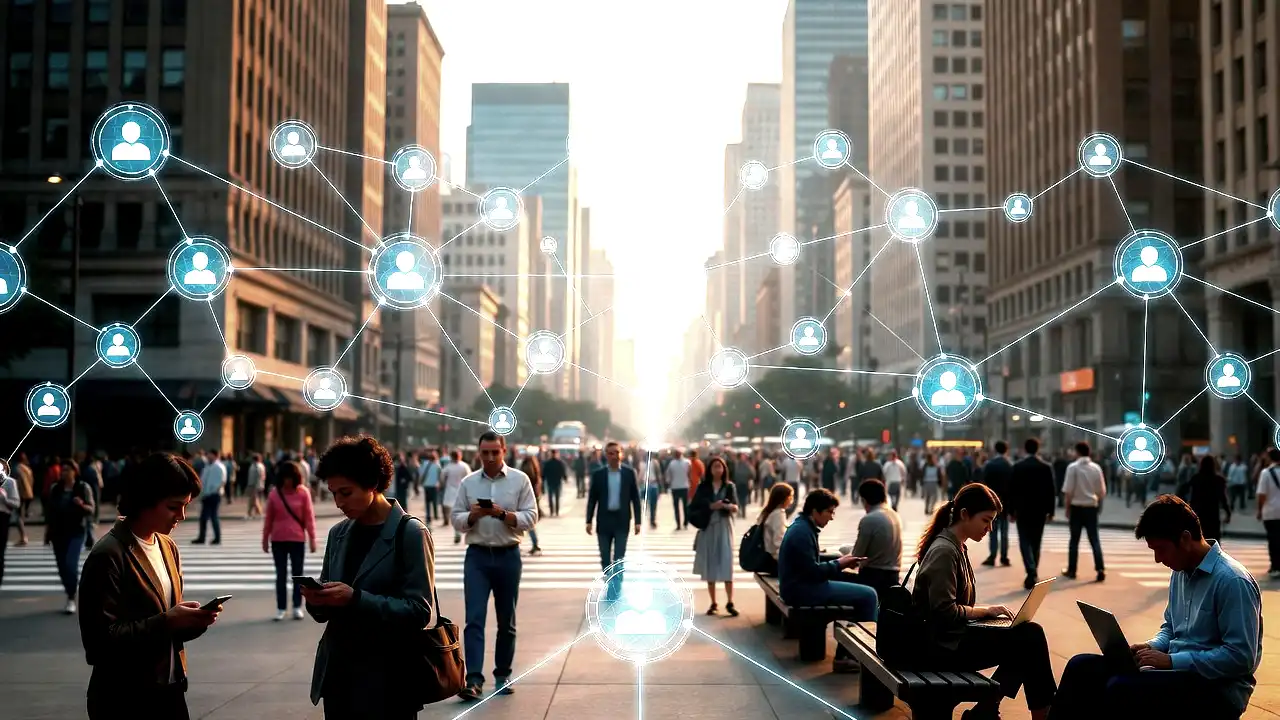
We woke up in a world that never stops talking. Your refrigerator talks to your grocery delivery app. Your car talks to the city traffic grid. Your smartwatch talks to your health insurance provider. We built a hyper-connected economy that moves at lightning speed. But for a very long time, we ignored the darkest part of this brilliant machine. We let corporations track our every move simply because we clicked a bright green “Accept” button on our screens. Today, that old system of blind agreement is finally collapsing. People around the globe, from the busy streets of Dhaka to the tech hubs of Silicon Valley, demand real control over their digital lives. We are completely redefining what true digital consent actually means.
The Lie of the Long Contract
Ten years ago, tech companies played a very dirty trick on all of us. When you downloaded a new app, the screen flashed a massive wall of legal text. The document ran for fifty pages. They filled it with confusing legal words that normal people simply did not understand. Nobody actually read those terms of service. You just scrolled to the bottom and clicked “I Agree” to use the app. The tech giants pointed to that click and called it consent. That was a lie. True consent requires total understanding. You cannot agree to something if you do not know what the contract actually says. We finally realize that a confusing legal trap does not equal a fair digital handshake.
Your Body as a Data Point
The fight for true consent matters now more than ever because the data has changed. We no longer just share our email addresses or our favorite movies. We share our physical biology. Millions of people wear cheap fitness trackers and smart rings. These tiny devices monitor your heartbeat, track your sleep cycles, and even guess your daily stress levels. If a global data broker steals your email address, you just get annoying spam messages. If a broker buys your real-time health data without your clear permission, an insurance company might secretly deny you medical coverage. When our physical bodies connect to the internet, demanding strict, honest consent becomes a matter of actual human survival.
Taking Back the Keys
To fix this massive problem, we had to invent new tools. We stopped permanently handing our data over to giant corporations. Today, savvy internet users keep their personal information locked in secure digital wallets on their phones. When a new e-commerce website wants to know your location or your shopping history, it must send a specific request to your wallet. You see exactly what they want, why they want it, and how long they plan to keep it. You hold the keys. You can say yes to sharing your shoe size, but say no to sharing your home address. We finally chopped the massive “Accept All” button into tiny, manageable choices.
Making Consent Temporary
A real human relationship changes over time. Your relationship with a tech company should work the same way. In the past, when you granted an app permission to access your phone’s microphone, it kept that permission forever. It listened to you for years. The new digital economy operates on temporary consent. If a ride-sharing app needs your GPS location, it only gets that location for the exact duration of your twenty-minute ride. The moment you step out of the car, the digital door slams shut. If the company wants to track you again tomorrow, they have to ask you again tomorrow. We built an expiration date into our digital trust.
Protecting the Most Vulnerable
We must face a harsh reality here in South Asia. Millions of people just recently bought their very first smartphones. They lack deep digital literacy. A sneaky app developer can easily trick a new internet user in a rural village into giving away their entire contact list. A bright, flashing button easily manipulates someone who does not understand how data brokers operate. True digital consent means we must protect our most vulnerable citizens. We now force tech companies to use plain, simple language. We require them to use voice prompts in local languages like Bangla. A user must hear exactly what happens to their data before they tap the screen. Fairness means leaving nobody in the dark.
A Global Shift in the Rules
For a long time, giant foreign tech companies treated the global South like a free, unregulated data mine. They followed strict privacy laws in Europe but completely ignored them when operating in developing nations. We refused to accept that double standard. Countries across Asia and Africa recently pushed back hard. Local regulators passed aggressive new laws that heavily punish companies that trick users into sharing data. If a global platform violates the consent rules in Bangladesh today, the government blocks its servers and issues massive financial fines. We forced the tech empires to respect our digital borders.
Conclusion
A hyper-connected economy offers incredible miracles. We can spot sudden health emergencies, reduce city traffic, and instantly connect local farmers to global markets. But we cannot build this fast, modern world on top of stolen data and confusing legal tricks. True digital consent puts the human being back in the driver’s seat. It forces massive technology platforms to act with honesty, clarity, and deep respect for our personal boundaries. We finally stopped giving our lives away for free. In this new era, your data belongs entirely to you, and nobody gets to touch it unless you specifically invite them inside.