Key Points:
- Group of Seven trade ministers met in Paris to discuss securing critical mineral supply chains away from China.
- President Donald Trump threatened to raise United States tariffs on European cars from 15% to 25%.
- China currently dominates the market for rare earth minerals used in electric vehicles and defense systems.
- European and American officials disagree on the exact plans needed to reduce their reliance on Chinese materials.
Group of Seven trade ministers gathered in Paris on Wednesday to find common ground on global trade issues. The leaders focused heavily on securing critical mineral supplies, a global market that China currently controls. However, fresh threats regarding new car tariffs from the United States created immediate tension and risked breaking the group’s united front.
France currently holds the G7 presidency and wants to make tangible progress on the mineral issue. French Foreign Trade Minister Nicolas Forissier stated his main goals upon arriving for the talks on Wednesday. He hopes the group will deliver concrete results on securing rare earth materials before the upcoming leaders’ summit scheduled for mid-June. Forissier told reporters that Western nations must completely secure their supply chains so foreign countries cannot hold them hostage in the future.
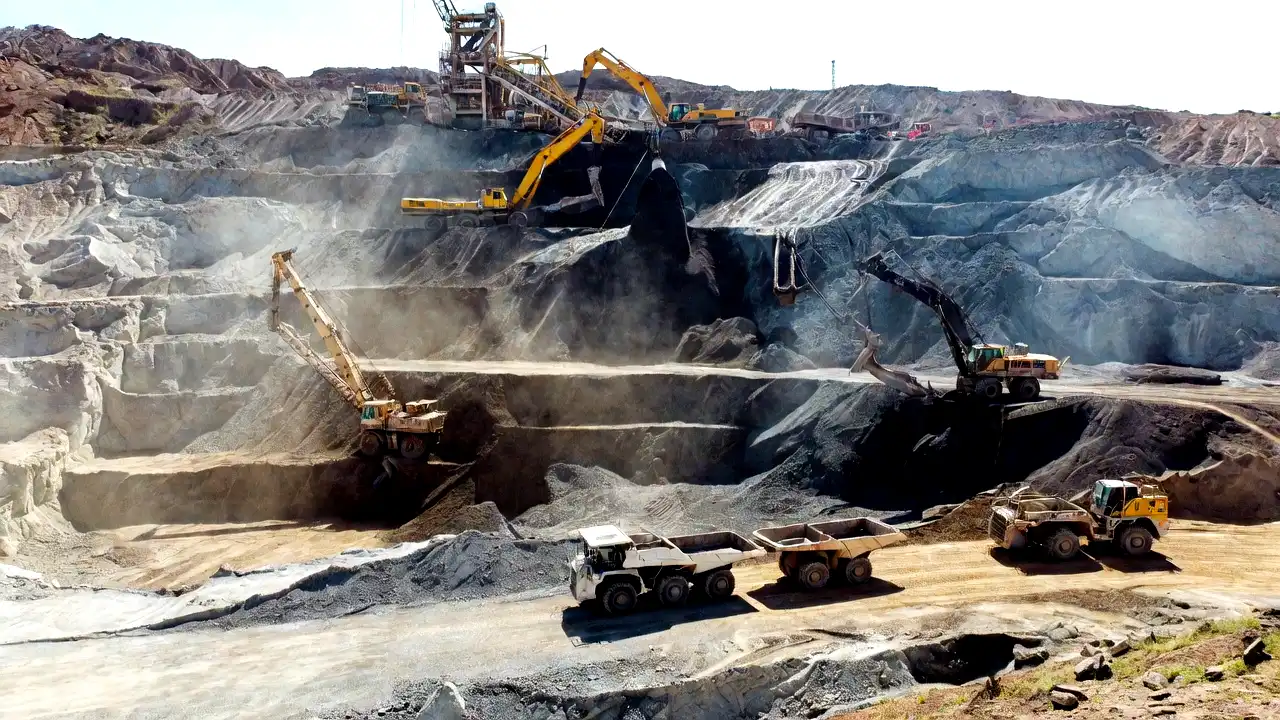
China currently holds a massive grip on the market for critical minerals. Global manufacturers urgently need these raw materials to build electric vehicles, wind turbines, everyday electronics, and advanced military defense systems. French Finance Minister Roland Lescure warned on Tuesday that China controls so much of the market that the country can artificially lower prices at will. This aggressive pricing strategy easily drives rival mining companies out of business, leaving China with even more market control.
The trade ministers released a formal joint statement after concluding their morning meetings. The leaders promised to ensure that any attempts by foreign nations to weaponize economic dependencies will completely fail. Officials involved in the closed-door discussions noted that everyone agreed on the urgent need to reduce their heavy reliance on Chinese exports.
Despite this broad agreement, the leaders could not agree on a specific path forward. The European Union and the United States brought two entirely different sets of proposals to the Paris meetings. The groups remain divided over exactly how to build new supply chains without harming their own domestic economies.
Meanwhile, comments from United States President Donald Trump severely tested the transatlantic alliance. Trump announced that Washington plans to raise tariffs on cars made in the European Union from a current rate of 15% up to 25%. The president argued that officials in Brussels failed to comply with a major trade deal the two sides previously agreed upon in Turnberry, Scotland, last year.
European officials scrambled to respond to the sudden tariff threat. Forissier tried to downplay the public tension, calling Trump’s comments a simple push to keep moving forward on the Turnberry agreement. He told the press he believes both sides can resolve their issues and fully implement the Scottish deal by the end of the summer.
Inside the European Union, lawmakers and government officials worked hard on Wednesday to finalize their common legislation. They want to implement the Turnberry deal quickly, but deep internal divisions make the process very difficult. European nations cannot agree on specific economic safeguards, which continuously slows down the final legislative approval process.
The sudden tariff threat hits Germany especially hard. German Economy Minister Katherina Reiche confirmed that she had begun intensive talks with U.S. officials to stop the new car taxes. Germany relies heavily on its automotive exports to support its national economy and provide stable jobs for thousands of workers.
The German auto sector already faces severe strain due to weak consumer demand in China, slower global economic growth, and rising local labor costs. A new 25% tax on cars shipped to America could devastate the industry and force major auto plants to cut production shifts or lay off workers.
European Union Trade Commissioner Maros Sefcovic met directly with United States Trade Representative Jamieson Greer in Paris on Tuesday. The two men discussed the Turnberry agreement and the ongoing tariff dispute in detail. Following that meeting, Sefcovic announced he would travel to the European Parliament later on Wednesday to help advance the required legislation.
Sefcovic stated that both sides clearly understand they must respect the original terms of the Turnberry deal. He emphasized that Europe must deliver exactly what it promised the United States in Scotland. Beyond the immediate car tariff dispute, Forissier noted that the trade ministers also discussed global industrial overcapacity and potential reforms to the World Trade Organization.