Key Points:
- South Korean tech leaders worry the Iran conflict will hurt chip demand.
- A prolonged crisis could delay new AI data centers in the Middle East.
- Tech giants might pause their massive infrastructure investments in the region.
- The war threatens the supply of vital chip-making materials like helium.
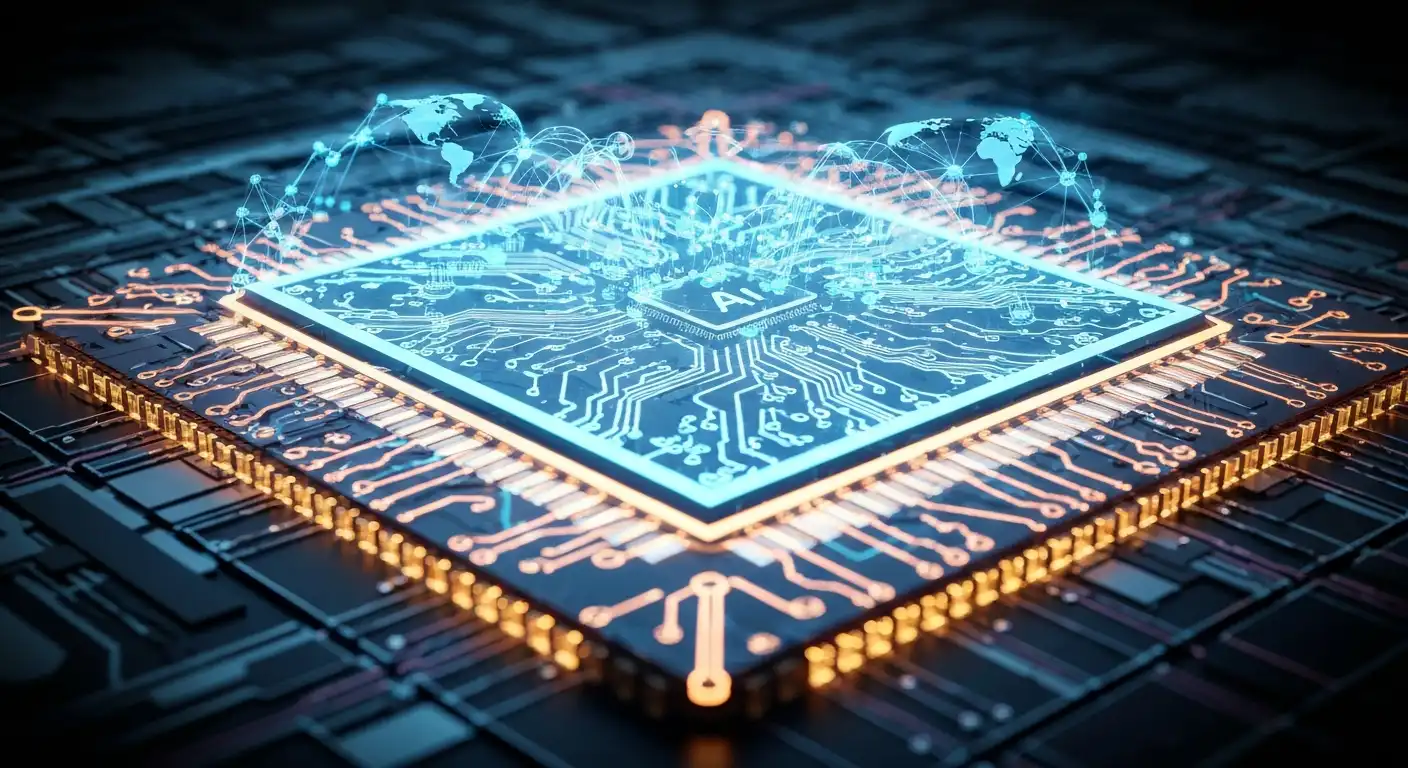
South Korea’s booming semiconductor industry faces a new threat from the Middle East. Technology executives are warning that the escalating crisis in Iran could severely disrupt the global artificial intelligence market.
Major technology companies have drawn up massive plans to build AI data centers across the Middle East. The region offers abundant energy and capital to power these giant server farms. However, a prolonged conflict could force these companies to cancel or delay their expensive construction projects.
If tech giants stop building these data centers, the demand for advanced computer chips will drop. South Korean companies like Samsung Electronics rely heavily on this strong demand to drive their profits. A sudden pause in Middle Eastern infrastructure growth would deal a heavy blow to their sales forecasts.
The war also threatens the physical production of the chips themselves. The semiconductor industry requires specific raw materials from the Middle East to keep factories running smoothly. Executives specifically highlighted helium as a major concern right now.
Factories use large amounts of helium to cool down equipment and control the environment during the delicate chip-making process. Any disruption to this supply chain would force manufacturers to slow down production or scramble for expensive alternatives.
Ruling party lawmaker Kim Young-bae revealed these industry fears on Thursday. He recently sat down with executives from Samsung Electronics and various trade groups to discuss the economic fallout of the conflict.
The situation leaves the tech world on edge. Chipmakers now have to watch the geopolitical landscape closely as they try to protect their supply lines and their future sales.