

Key Points:
- Washington and Beijing plan to launch official discussions regarding the future of artificial intelligence.
- Leaders may add the technology topic to the official agenda for a major summit in Beijing next week.
- Treasury Secretary Scott Bessent will lead the American delegation during the proposed technology meetings.
- President Donald Trump plans to remind Chinese leader Xi Jinping about American dominance in the software sector.
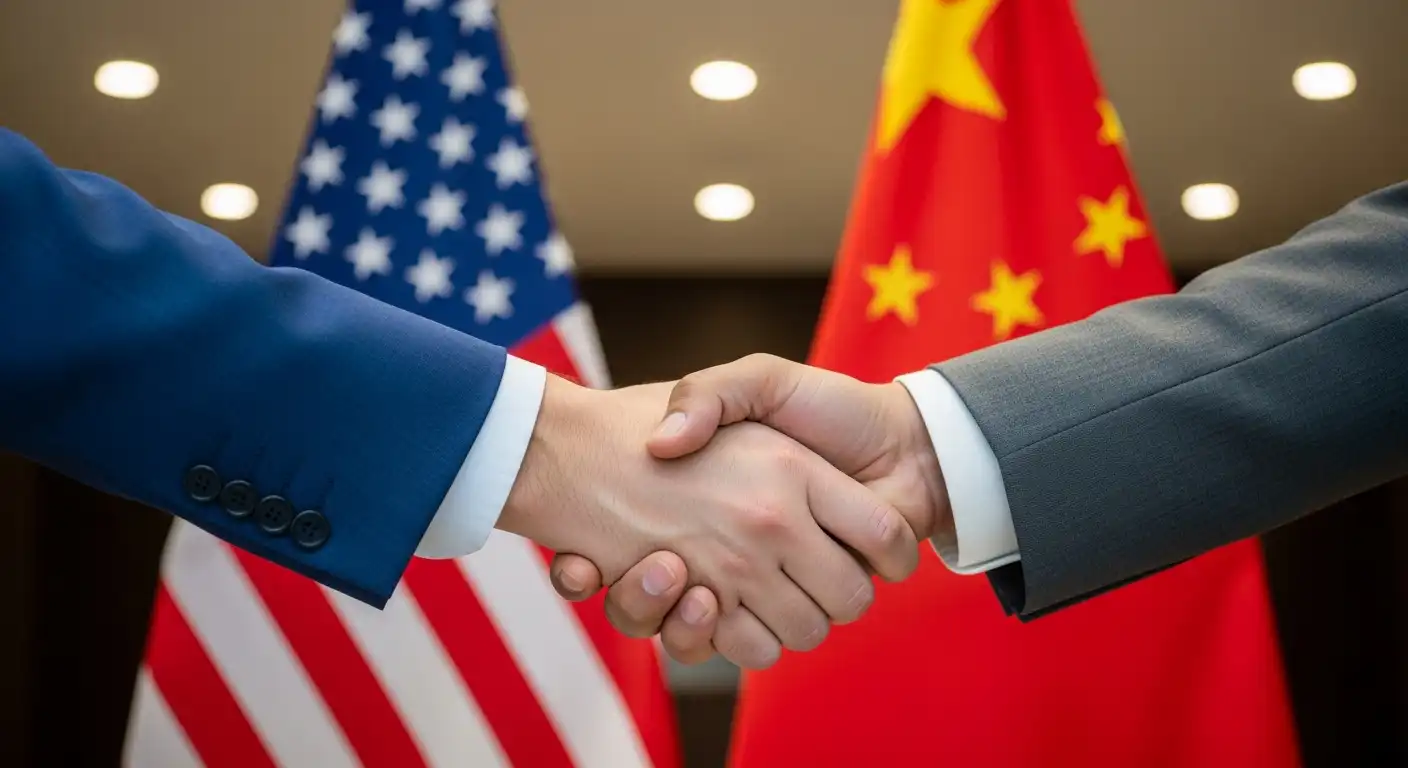
The United States and China want to sit down and talk about the future of artificial intelligence. According to a Wednesday report from the Wall Street Journal, officials from Washington and Beijing currently weigh the launch of formal discussions. These high-level talks would address the rapid growth, massive economic potential, and serious security dangers of the new technology. The 2 nations realize they must open lines of communication before the technology completely changes the global balance of power.
The White House and the Chinese government plan to put this complicated topic on the official agenda very soon. Both sides actively prepare for a high-stakes summit next week in Beijing. President Donald Trump will travel directly to the Chinese capital to meet face-to-face with Chinese leader Xi Jinping. Adding artificial intelligence to the main meeting schedule shows exactly how important the technology has become to both global superpowers. Leaders can no longer ignore the digital arms race happening behind closed doors.
Treasury Secretary Scott Bessent will lead the American delegation in these proposed technology discussions. Placing the Treasury Secretary in this specific role highlights the massive financial impact of artificial intelligence. The technology actively drives financial markets, creates entirely new industries, and changes how global trade operates every single day. Washington views this as an economic battle just as much as a national security issue. So far, officials in Beijing have not named a specific counterpart to meet with Bessent.
President Trump already set a very confident and aggressive tone ahead of his overseas trip. Earlier this week, he told reporters that he plans to remind Xi exactly where the true balance of power lies. Trump stated clearly that the United States currently leads the entire world in artificial intelligence development. He wants to make sure the Chinese government understands American dominance in this critical field. The president views American tech companies as a major source of national strength.
These new bilateral discussions arrive at a very sensitive time for both countries. The 2 nations constantly navigate deep and bitter tensions over global trade rules and technology rights. Over the past few years, the United States severely restricted the sale of advanced computer chips to China. American companies design the absolute best processors, which software developers desperately need to train smart computer programs. Washington actively wants to keep these powerful tools out of the hands of the Chinese military.
Artificial intelligence has the power to transform everything from everyday business tasks to advanced national security operations. Smart programs can write software code, analyze massive spreadsheets of financial data, and even operate drone swarms on a modern battlefield. Because the global stakes remain so incredibly high, both countries recognize they need some basic ground rules. Without open communication, a simple misunderstanding involving automated military systems could quickly spark a major international conflict.
Despite the heavy export restrictions, China refuses to sit quietly and accept second place. Xi Jinping pours billions of dollars into Chinese technology companies and national university research labs. He wants his country to become the absolute global leader in artificial intelligence before the end of the decade. Chinese software developers work day and night to build their own smart programs and reduce their daily reliance on American technology. Beijing sees technology independence as a matter of national survival.
The global financial world watches these diplomatic developments very closely. Major technology companies in the United States spend more than $100 billion a year building massive data centers and buying advanced computer hardware. Investors want to know if the 2 governments will cooperate or declare a total technology war. If Trump and Xi reach a basic understanding next week, global stock markets will likely react with massive relief. A trade war over software would damage economies around the world.
If the meetings happen as planned next week, Bessent and his Chinese counterpart will likely tackle several difficult issues. They need to discuss intellectual property theft, strict data privacy, and the physical safety of global computer networks. American software companies often complain that Chinese firms steal their valuable code and copy their designs. The United States government wants strict, enforceable commitments from China to respect digital property rights going forward.
For now, the rest of the world waits to see the final schedule for the Beijing summit. Diplomatic teams on both sides work around the clock to finalize the exact meeting details and discussion points. Getting the leaders of the 2 largest economies to agree on anything requires massive political effort. However, simply starting a formal dialogue about artificial intelligence represents a major step forward for global stability and future economic growth.






