Key Points:
- China plans to accelerate its self-reliance in the technology sector.
- The government will boost the domestic semiconductor and aerospace industries.
- Future focus areas include quantum technology, humanoid robots, and 6G networks.
- Beijing wants to launch new data centers and improve computing capacity nationwide.
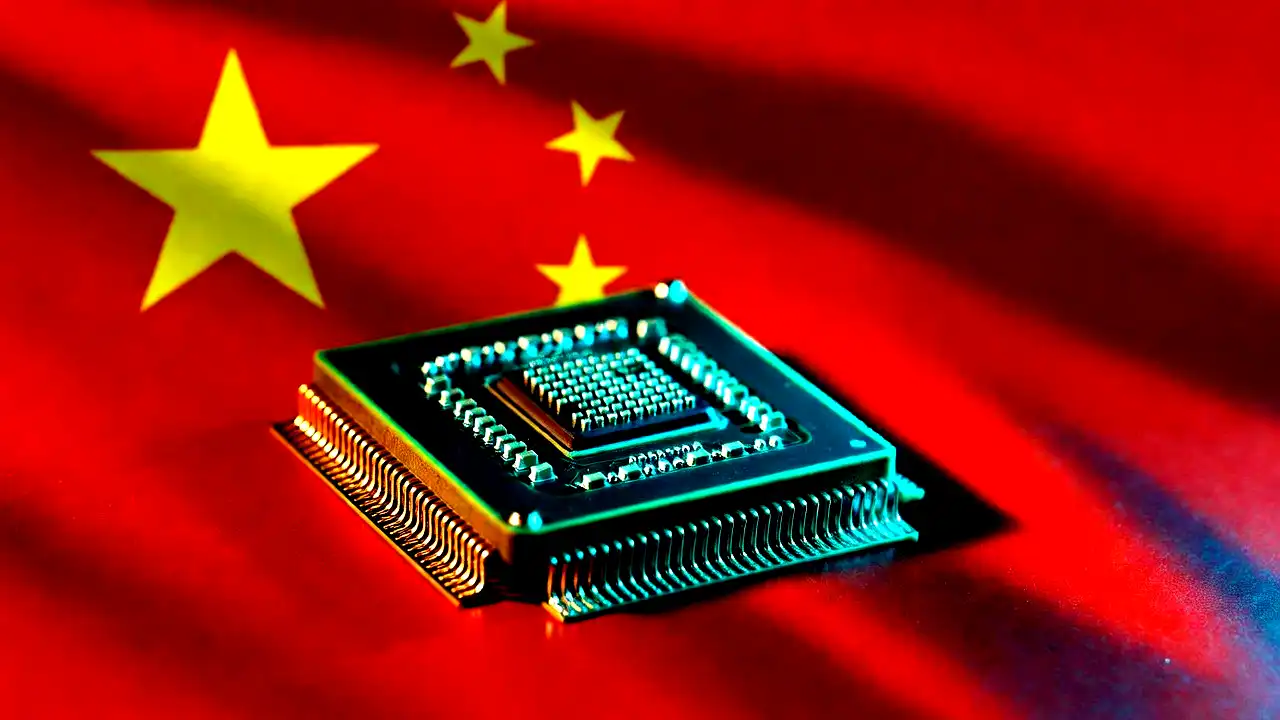
China announced ambitious new plans on Thursday to secure its technological future. The government vowed to push harder for self-reliance by heavily supporting its domestic technology sector. This strategy focuses specifically on growing young industries like semiconductors, aerospace, and artificial intelligence.
According to official reports, the plan extends far beyond current technology. Beijing wants to nurture “unicorn” startup companies working on the absolute cutting edge. These future industries include quantum computing, next-generation 6G internet, and “embodied AI,” which is the software that allows humanoid robots to operate in the physical world.
To support this massive digital expansion, China plans to build a wave of new data center projects. The government will coordinate how computing power is distributed across the entire country to ensure maximum efficiency. At the same time, officials promised to create a new system designed to prevent and control security risks associated with artificial intelligence.
Kyle Chan, a technology expert at the Brookings Institution, noted that Beijing views AI and robotics as essential tools for the future. He explained that the government’s ultimate goal is to use these technologies to boost productivity across every sector of the economy, including manufacturing, logistics, education, and healthcare.
Chinese tech companies face a tough battle against their American rivals, who generally have much more money to invest in research. However, Beijing believes it holds a unique advantage. The country plans to rely on its unmatched supply chains, cheap manufacturing capabilities, and rapid development cycles to scale these new technologies faster than anyone else.
Despite the optimism, some economic experts remain skeptical. A recent report from the U.S. research group Rhodium warned that there are limits to this strategy. The group suggested that even if these emerging tech industries succeed, they will not create enough investment to replace China’s traditional industries or sustain the government’s 5 percent GDP growth target in the coming years.