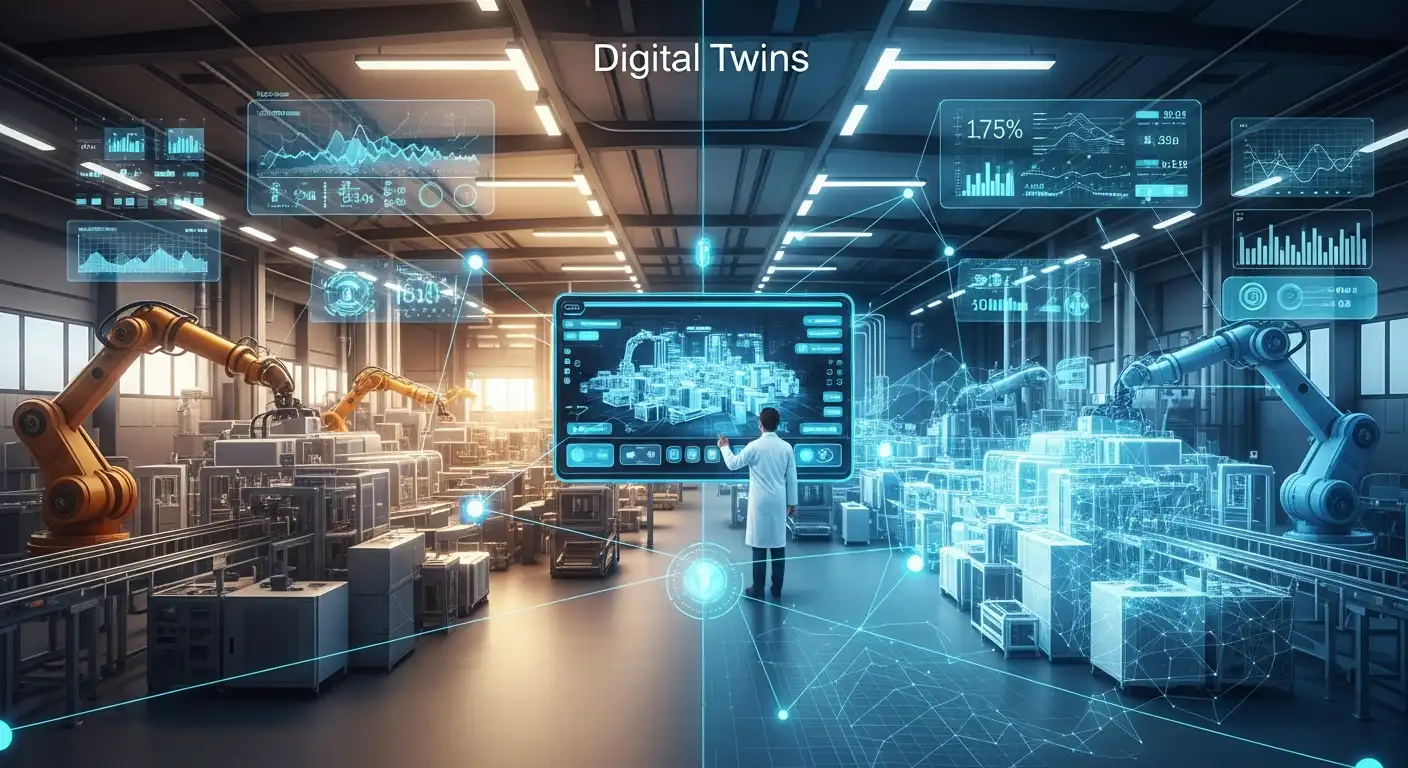
Imagine building a massive jet engine, installing it on an airplane, and waiting to see if it works. Nobody does that anymore. Instead, engineers build a perfect digital copy first. This virtual replica, known as a digital twin, breathes life into the modern industrial innovation cycle. It changes how factories operate, how companies design products, and how global industries manage risk. By testing ideas in a virtual space before bending a single piece of real metal, organizations move faster, waste less material, and create vastly superior machines.
Building Before Breaking
Engineers used to spend millions creating physical prototypes. They would build a new machine, test it until it broke, figure out why it failed, and build another one. Digital twins end this expensive, slow cycle completely. Teams now run thousands of stress tests on a virtual model in just a few hours. They simulate extreme heat, heavy pressure, or years of constant physical use. If the virtual part shatters, nobody loses money or materials. Engineers simply adjust the design parameters on their screens and run the simulation again until the part survives.
Speeding Up the Design Phase
The industrial market moves incredibly fast today. Companies cannot afford to spend five years designing a new piece of heavy equipment. Digital twins drastically cut down this development time. Designers collaborate in real time across different continents. An aerodynamics expert in one country can tweak a virtual turbine blade. In contrast, a materials specialist in another country instantly sees how that change affects the machine’s overall weight and balance. This shared digital environment turns a slow, step-by-step design process into a fast, simultaneous global collaboration.
Real-Time Performance Tracking
The innovation cycle does not stop when a product leaves the factory floor. Physical machines now carry hundreds of smart sensors. These sensors feed live data back to their digital twin over the internet. Factory managers watch the digital copy to see exactly what the physical machine does out in the real world. They monitor temperature, vibration, and energy output minute by minute. This constant feedback loop means engineers no longer guess how a machine performs in the field. They know exactly how it handles real-world conditions every single day.
Predictive Maintenance Saves Millions
Unexpected equipment failures disrupt factory schedules and cost companies substantial sums. Digital twins flip the script from reactive repairs to proactive maintenance. Because the virtual model mirrors the exact wear and tear of its physical counterpart, software can predict a breakdown before it happens. The system alerts technicians that a specific gear will likely fail next week. Mechanics order the part early and schedule a quick replacement during planned downtime, completely avoiding a catastrophic factory halt and keeping production running smoothly.
Safe Training Grounds for Human Workers
Heavy industry presents serious dangers to human life. Training new employees on complex, high-voltage, or fast-moving machinery carries extremely high risks. Digital twins provide a perfect, perfectly safe training environment. Workers put on virtual reality headsets and interact with the exact digital replica of the factory floor. They learn how to operate the complicated controls, run emergency shutdown procedures, and fix software errors without ever stepping near a dangerous machine. When they finally walk onto the real floor, they already possess valuable, practical experience.
Connecting Global Supply Chains
A single factory never operates in total isolation. It relies on a massive global network of suppliers, shipping routes, and storage warehouses. Companies now create digital twins of their entire supply chain networks. They simulate what happens if a major shipping port shuts down or a sudden shortage of raw materials hits the market. Managers test different backup plans in the virtual world to find the most efficient workaround. This high-level simulation keeps global trade moving smoothly even when unexpected crises strike the physical world.
Sustainable and Green Manufacturing
Industries face intense global pressure to reduce their environmental impact. Digital twins help factories cut waste and lower their massive energy consumption. By analyzing the virtual model, managers find small, hidden inefficiencies that waste power. They might discover that running a specific machine at 90% speed saves a massive amount of electricity without slowing the overall production line. Testing these green initiatives in a digital space ensures companies can meet their sustainability goals without sacrificing business performance.
The Challenge of Data Security
This massive digital shift naturally comes with significant new risks. A digital twin requires a constant, massive flow of accurate data to work correctly. If bad actors hack into the system, they can steal top-secret industrial designs or feed false data into the simulation, causing real-world machines to crash or malfunction. Companies must build incredibly strong digital walls around their virtual assets. Securing this sensitive data remains one of the toughest daily challenges in the modern industrial landscape.
Conclusion
Digital twins completely redefine how we build and manage the physical world around us. They strip the guesswork out of engineering and replace it with exact, testable data. By shifting mistakes from the real world into the digital realm, companies save money, protect their workers, and push the limits of industrial design. However, organizations must always remember that a virtual model only holds value if the data remains completely accurate and highly secure. As industries continue to embrace this technology, the gap between the physical and digital worlds will vanish. The companies that master this connection will dominate the next era of global manufacturing, leaving traditional competitors far behind.