Key Points:
- Alibaba and Tencent saw a combined $66 billion wiped from their market value in just 24 hours.
- Investors are increasingly anxious about the massive investments Chinese tech giants are making in artificial intelligence without clear plans for generating revenue.
- Alibaba reported a massive 67% drop in its quarterly net income, further spooking the market.
- Despite promising new AI tools like the OpenClaw platform, companies struggle to show exactly how these services will translate into actual profits.
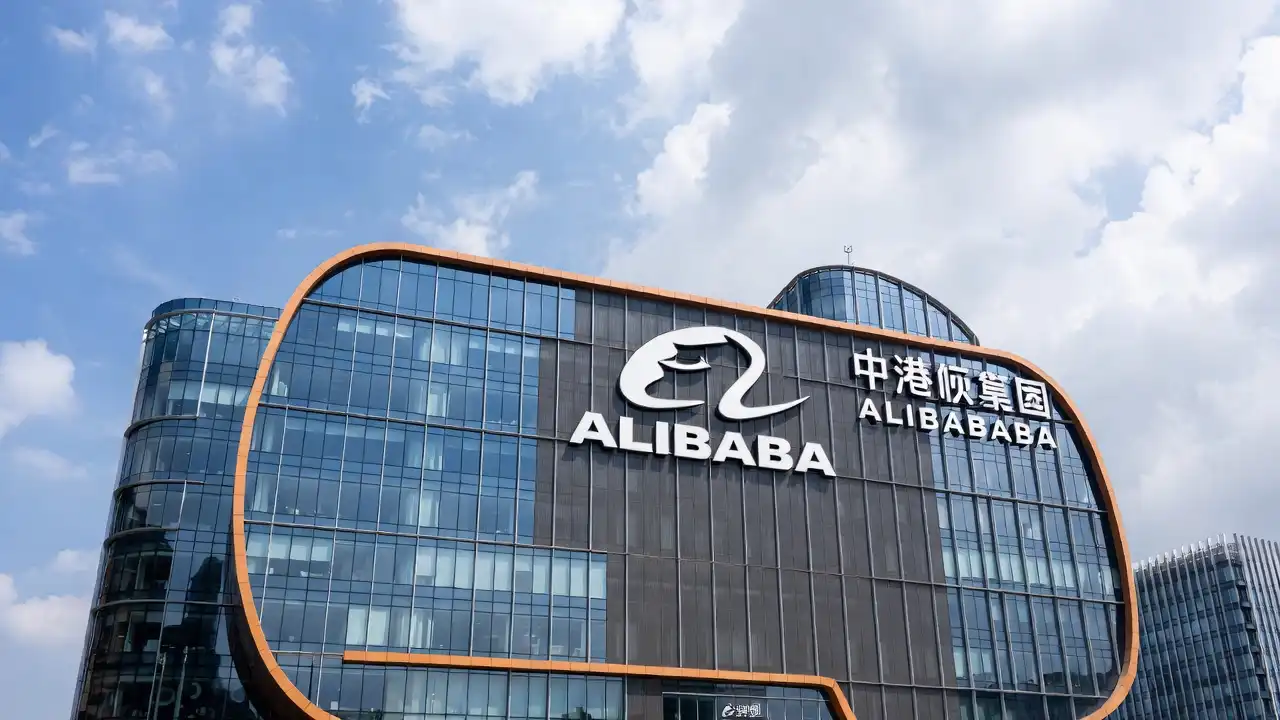
Two of China’s largest technology companies just took a massive hit on the stock market. In roughly 24 hours, Alibaba Group Holding Ltd. and Tencent Holdings Ltd. collectively lost $66 billion in market value. This sharp drop happened because investors are punishing these tech giants for failing to explain exactly how they plan to make money from artificial intelligence.
The selloff was brutal. Alibaba’s shares traded in the United States suffered their biggest drop since last October. This plunge followed an equally terrible day for Tencent, which experienced its worst market drubbing in almost a full year on Thursday.
Just last week, investors were piling their cash into these major tech names. They bet heavily that the arrival of new, smart AI agents—specifically the OpenClaw-style platforms—would instantly energize the entire industry. However, those investors quickly reversed course and started selling after reading disappointing financial results that lacked a clear, believable path to future profits.
This dramatic market reaction highlights growing anxiety on Wall Street and in Asian markets. Investors see Chinese tech leaders pouring massive amounts of money into building new data centers, hiring expensive engineering talent, and developing complex AI models. However, these companies are spending all this cash without providing a solid roadmap that shows how these tools will actually generate revenue.
While Chinese spending on AI still looks small compared to the $650 billion that American giants like Meta and Amazon plan to spend this year alone, the rising budgets come at a bad time. The Chinese economy is currently experiencing a consumer downturn, with people spending less overall. This economic squeeze is shrinking profit margins for businesses across the country. Alibaba highlighted these struggles clearly when it reported a staggering 67% drop in its quarterly net income.
Catherine Lim, an analyst for Bloomberg Intelligence, explained the market’s current mood. She noted that investors are not necessarily pushing back against spending money on AI itself. Instead, they are frustrated by the total lack of near-term visibility on how these companies will monetize the technology. Lim stated that the market will likely remain cautious until these companies can prove that AI actually drives measurable revenue growth through cloud services, advertising, or better online sales conversions.
The financial damage is widespread. Tencent held relatively steady on Friday, but only after shedding $43 billion of its market value the day before. Alibaba’s U.S.-listed shares lost $23 billion overnight, and its stock traded in Hong Kong dropped by as much as 6.4% early Friday morning.
This sudden about-face from investors follows a brief period of extreme excitement earlier this month. When Chinese consumers returned to work after the Lunar New Year holiday, they fell in love with OpenClaw. This viral AI platform promises to handle boring, everyday tasks, like managing crowded email inboxes or booking complex travel itineraries.
Companies of all sizes, from new startups like MiniMax Group to established giants like Baidu, scrambled to release their own competing apps to capitalize on the frenzy. For a short time, this excitement fed enormous optimism around the technology. Tencent’s shares even gained more than 10% at one point earlier this month, riding the hype surrounding its own OpenClaw products.
Many consider Tencent perfectly positioned to build these smart AI agents because it controls a massive trove of user data through its WeChat app. AI services usually work best when they have deep access to a user’s personal information, like their message logs and daily habits.
However, during recent post-earnings phone calls with analysts, Tencent executives failed to provide specific details on how they would turn these built-in advantages into actual cash. They did not share concrete investment targets or highlight specific upcoming products, leaving many hopeful investors deeply disappointed.
Following these vague calls, Morgan Stanley slashed its target price for Tencent stock by 11%, dropping it to 650 Hong Kong dollars. Analysts at the firm warned that these heavy, front-loaded AI investments will likely weigh on near-term profit margins, causing the company’s profits to grow much more slowly than its overall revenue in 2026.
Alibaba faces unique challenges, as it is currently grappling with a severe slowdown in its core e-commerce business. While Alibaba is considered a major frontrunner in China’s race to develop artificial general intelligence, it is also the most aggressive spender. The company previously pledged to invest more than $53 billion into AI over several years. On Thursday, executives announced a highly ambitious target of reaching $100 billion in annual cloud and AI revenue within the next 5 years.
Alibaba desperately needs to monetize its growing AI portfolio to offset the weakness in its online shopping division, which faces fierce competition from domestic rivals. This week, the company launched a new AI service called Wukong for corporate clients and raised prices for its cloud storage services by up to 34%.
At the same time, the cost of doing business is rising sharply on other fronts. During last month’s week-long Lunar New Year holiday, major players like Alibaba, Tencent, ByteDance, and Baidu spent billions of yuan handing out digital coupons just to acquire new users for their AI apps.
Analysts at Barclays Capital Inc. trimmed their price target on Alibaba following the earnings report. They noted that they share the market’s deep concerns regarding whether Alibaba can actually reach its massive $100 billion revenue goal in just 5 years. The analysts concluded that, in the current financial environment, the market has no room for anything less than perfect performance.