Key Points:
- Pauline Hanson’s One Nation party proposed that the Australian government take a 30% equity stake in all new offshore gas ventures.
- The policy aims to replace the controversial Petroleum Resource Rent Tax (PRRT) with a direct royalty regime and a sovereign wealth fund.
- Coalition politicians criticized the interventionist strategy, claiming the party borrowed the idea directly from socialist Venezuela.
- The federal policy only targets Commonwealth waters, leaving the state-regulated onshore gas assets of billionaire backer Gina Rinehart untouched.
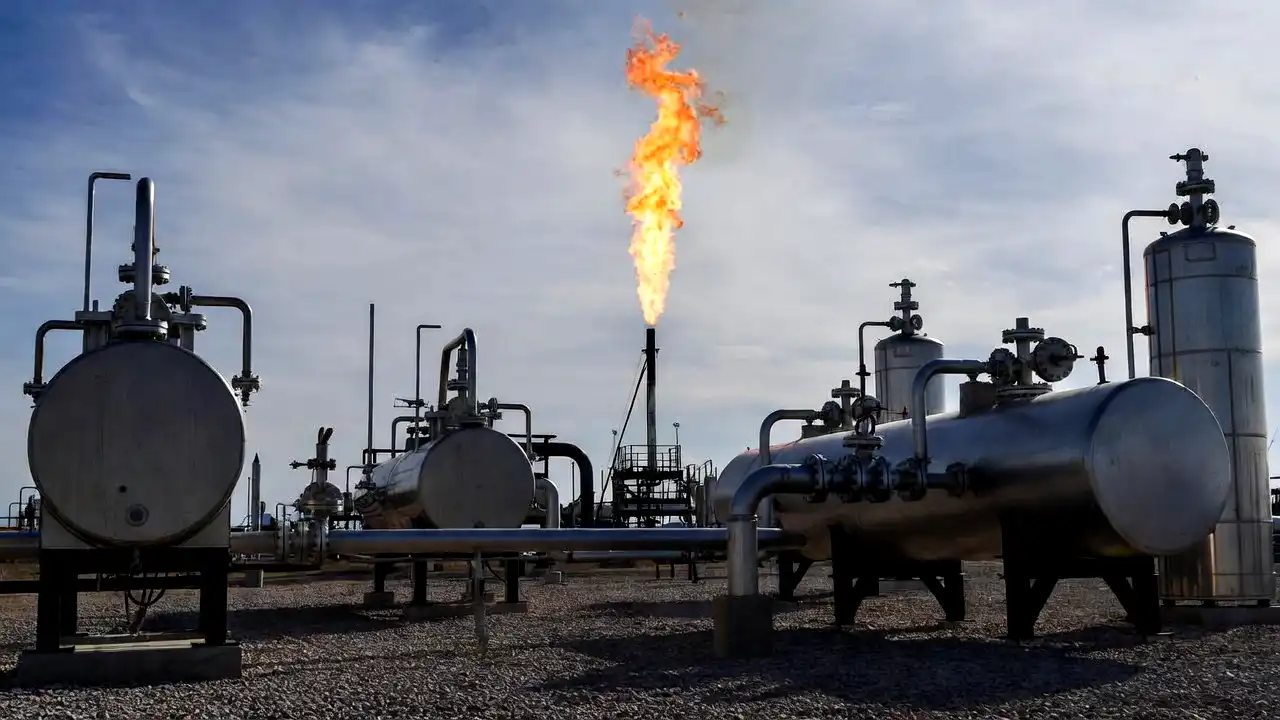
One Nation leader Pauline Hanson has unveiled a radical, Norway-inspired energy policy at a major gas industry conference. In a move that shocked both political rivals and industry executives, Hanson proposed that the federal government take a 30% equity stake in all new offshore gas ventures. The populist leader detailed her plans on Thursday, May 21, 2026, during her keynote address at the Australian Energy Producers conference in Adelaide.
Under the bold new policy, One Nation wants to completely dismantle Australia’s contentious Petroleum Resource Rent Tax (PRRT). Hanson described the existing tax system as an absolute failure that yields a measly return for taxpayers. Instead of the PRRT, her plan introduces a direct royalty regime for all new drilling projects in federal waters. Hanson also decried a proposed 25% export tax on gas as “economic vandalism,” arguing that her equity model would secure vastly greater returns for the country.
The proposed mechanism relies on a co-investment model between the government and private drillers. The commonwealth would offer gas companies a 30% rebate on their exploration costs in federal waters. In return, the government would retain the option to claim up to a 30% equity share in any resulting production licenses. The state would then share the ongoing development and decommissioning costs while keeping a portion of the produced gas for domestic uses, such as manufacturing fertilizers and fuels.
Hanson plans to channel all profits from these government-owned gas stakes directly into a newly created sovereign wealth fund. The proposed Australian National Wealth Investment Corporation would manage the money to protect it from political interference. Hanson regularly compares Australia’s resource returns to Norway’s colossal $1.5 trillion sovereign wealth fund. She noted that while Norway got rich off its commodities, Australia only took a measly $300 million in direct payments recently for $50 billion worth of gas exported from the North West Shelf.
The interventionist policy triggered immediate, sharp criticism from across the political spectrum. Industry executives and the federal government met the proposal with heavy skepticism. Meanwhile, the Coalition opposition launched a fierce attack on the plan. Shadow ministers accused One Nation of abandoning free-market principles, arguing that Hanson had basically imported her heavy-handed resource policies directly from socialist Venezuela.
Leaders in the energy sector expressed deep worry about the government becoming an active joint-venture partner in highly complex offshore projects. Amplitude Energy Chief Executive Officer Jane Norman noted that having the state as a co-owner could complicate day-to-day operational decisions and slow investment. However, Hanson promised to balance these concerns by slashing bureaucratic red tape, pledging to cut government approval times for new gas projects down to just six months.
The One Nation leader also used her speech to attack the current Labor government’s energy policies. She declared her total opposition to Labor’s new domestic gas reservation scheme, which was announced in early May. That policy requires energy exporters to hold back 20% of their natural gas specifically for East Coast Australian buyers. Hanson argued that forcing companies to reserve gas hurts investment, whereas her joint-ownership model naturally secures a cheap domestic supply.
This high-profile energy pivot comes at a time of rising political influence for One Nation. The party recently won its very first seat in the House of Representatives during the Farrer by-election on May 6, 2026, with candidate David Farley taking the seat. Significant financial backing from Australia’s richest person, mining billionaire Gina Rinehart, has also fueled the party’s rise. Rinehart recently donated a private plane and hosted exclusive dinners for the populist party.
Ironically, Rinehart herself owns substantial gas assets. Through her company Hancock Energy, she holds coal seam gas interests in Queensland and onshore conventional gas assets in Western Australia. However, because these properties operate onshore, they fall under state laws. This means Rinehart’s assets remain completely untouched by Hanson’s federal policy, which only targets offshore gas ventures in Commonwealth waters.
Hanson’s bold move has completely rewritten the political battle lines over Australia’s natural resources. While the major parties and gas executives dismiss the plan as a populist fantasy, the proposal taps into deep public anger over how little taxpayers receive from their own resources. As the next federal election approaches, One Nation’s Norway-style gamble will test whether voters are ready for the state to become an active owner in the nation’s multi-billion-dollar energy industry.