

Key Points:
- Elon Musk announced that SpaceX pushed the next Starship test flight from April to early May.
- Engineers packed dozens of critical upgrades into the new V3 vehicle to ensure reliability for future NASA moon missions.
- The company last launched a Starship rocket during its 11th test flight back in October.
- SpaceX confidentially filed for a public stock offering and targets a massive valuation exceeding $1.75 trillion.
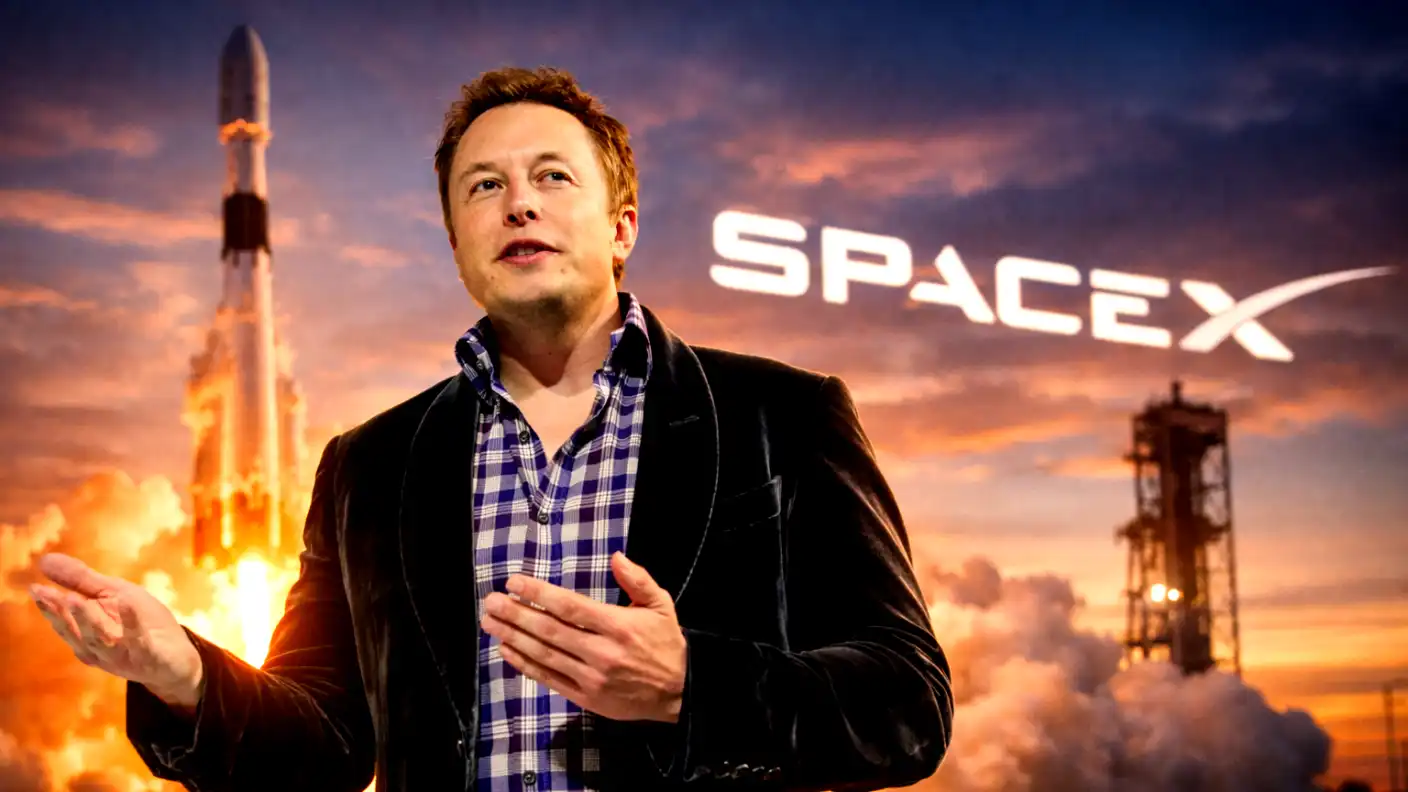
SpaceX CEO Elon Musk just updated the timeline for the highly anticipated Starship test flight. On Friday, Musk announced on his social media platform, X, that the company pushed the launch schedule from April to May. He told his followers that the next flight featuring the upgraded V3 vehicle remains 4 to 6 weeks away. This new timeline places the critical launch window squarely within the first 2 weeks of May. Fans and space enthusiasts originally expected to see the rocket fly in April, but the company decided it needed more time to prepare the hardware.
SpaceX intentionally delayed the debut of this specific V3 iteration for several months. During this waiting period, engineering teams packed dozens of significant upgrades into the massive stainless-steel vehicle. The company wants to make the rocket much more reliable before it takes on high-stakes missions. NASA currently relies heavily on this specific rocket design to ensure the success of its upcoming Artemis program. The government space agency expects Starship to safely carry American astronauts down to the surface of the moon and eventually bring them back home.
Starship represents the next major leap in space travel for the Texas-based company. Musk designed the massive rocket to act as a completely reusable transportation system. By landing and reusing both the super-heavy booster and the upper spacecraft, the company plans to reduce the cost of deep-space exploration drastically. The new vehicle can carry much larger payloads than the older, smaller Falcon rockets that currently deliver most internet satellites into orbit. A fully operational Starship will completely change the economics of the commercial space industry.
The company last sent a Starship vehicle into the sky back in October. That autumn launch marked the 11th test flight for the experimental rocket program. During every single test flight, SpaceX gathers massive amounts of telemetry data to find weak points in the engines, heat shields, and software systems. Each new flight builds directly on the hard lessons learned from previous explosions and successful splashdowns. The upcoming May launch will finally test all the brand-new modifications that engineers added over the long winter months.
While the engineering teams focus on building better rockets, the company’s executives quietly prepare for a massive financial maneuver. On Wednesday, Reuters reported that SpaceX confidentially filed paperwork for an initial public offering in the United States. This highly secretive filing sets the stage for a historic event on Wall Street. Financial experts believe this upcoming offering could easily become the largest stock market debut on record. Institutional investors and everyday traders have eagerly waited for years to buy a piece of the dominant private space company.
The spaceflight company operates its main testing facility out of a sprawling complex known as Starbase in South Texas. From this headquarters, executives aim for incredibly high financial milestones. They currently target a potential market valuation exceeding $1.75 trillion. Securing a successful public offering at that massive price point would immediately inject billions of dollars in fresh cash into the corporate bank accounts.
Musk desperately needs this influx of capital to fund his ultimate long-term goals. He plans to use money from the stock market to finance a self-sustaining human city on Mars. Building hundreds of Starship rockets and sending them across the solar system requires an endless supply of funding. However, before the company can conquer Mars or dominate the stock market, the engineering teams must prove their new hardware works. The entire aerospace industry will closely watch the launch pad to see whether the upgraded V3 rocket completes its test flight this May.






