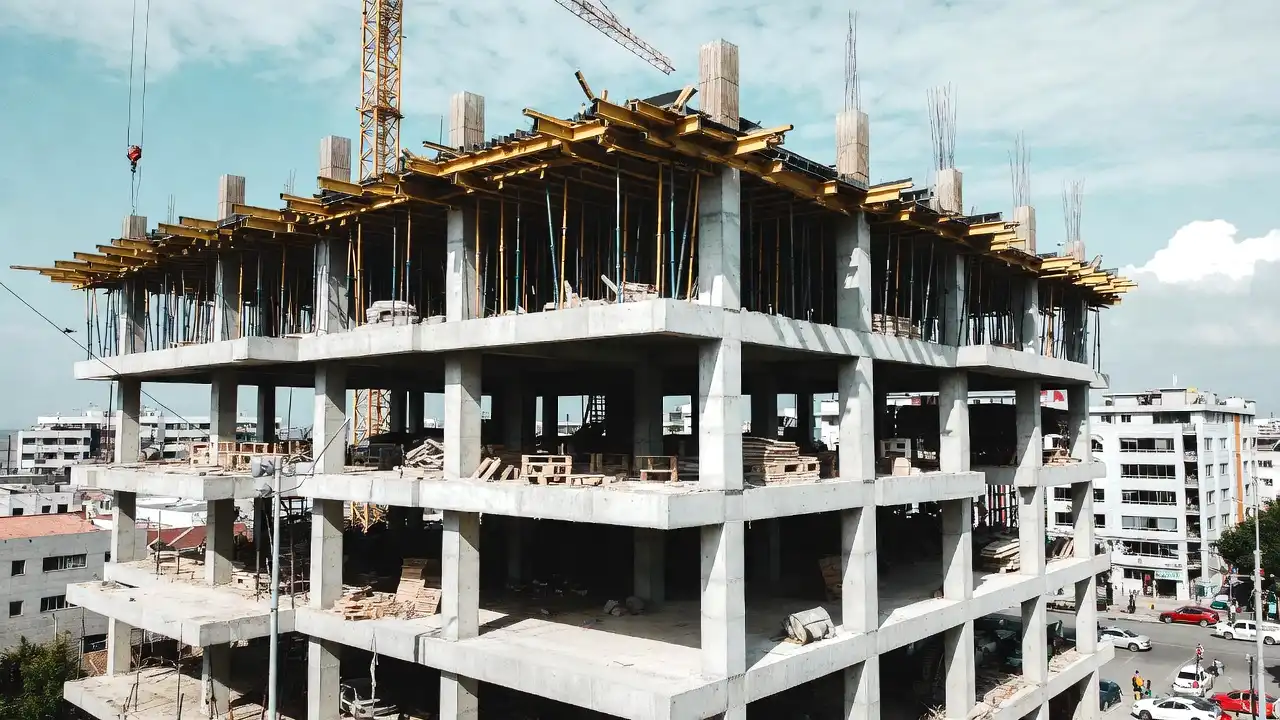
Key Points:
- Building permits increased by 5.8% in this reporting period, indicating a strong recovery in the construction industry.
- The sector successfully bounced back from a severe 11.5% drop during the previous report.
- Experts view the unexpected surge as a highly positive signal for the US dollar and overall economic health.
- New construction projects will create more jobs, drive bank loans, and increase demand for building materials.
The construction industry just received a massive dose of good news. The latest economic report shows that the actual number of building permits issued rose by a solid 5.8%. This sudden increase represents a major shift in momentum for both the housing and commercial real estate markets. Builders and property developers are clearly feeling confident enough to plan new projects again.
This 5.8% gain looks especially impressive when you compare it to the recent past. During the previous reporting period, the number of building permits issued crashed by a painful 11.5%. That steep double-digit drop worried investors and signaled a potential deep freeze in new building projects. Bouncing back from a negative 11.5% contraction to a positive 5.8% growth rate demonstrates the construction industry’s resilience.
Economists and investors pay very close attention to building permits because they act as a crystal ball for the economy. A building permit represents future economic action. Before a construction crew can pour concrete or frame a house, the developer must secure legal permission from local government authorities. Therefore, a spike in permits today basically guarantees active construction sites tomorrow.
When building permits rise, the entire economy feels the ripple effect. A single new construction site creates dozens of high-paying jobs. General contractors hire carpenters, electricians, plumbers, and roofers. This sudden burst of employment puts steady paychecks into the hands of local workers. Those workers then spend that money at grocery stores, restaurants, and retail shops in their own communities.
The supply chain also benefits from a 5.8% jump in permits. Builders need massive quantities of raw materials to turn empty dirt lots into finished buildings. Lumber yards, steel manufacturers, and concrete suppliers will see their order books fill up fast. Factories that produce windows, doors, and roofing shingles will also have to ramp up their production lines to meet the upcoming demand.
The economic benefits do not stop when the builders finish the structural work. Once developers complete these new homes and office spaces, buyers need to furnish them. A surge in completed buildings eventually drives sales at home appliance stores, furniture retailers, and interior design firms. The initial 5.8% increase in building permits eventually transforms into millions of dollars spent on refrigerators, couches, and landscaping services.
The financial sector stands to gain heavily from this turnaround as well. New buildings require massive amounts of capital. Banks and credit unions will process more construction loans and issue more commercial and residential mortgages. As money flows freely from lenders to developers, the economy’s financial gears spin faster, generating more overall wealth.
Interestingly, the latest report arrived without an official forecasted number. Usually, Wall Street analysts publish their expectations before the government releases the actual data. Without a target estimate to compare against, investors simply have to evaluate the raw 5.8% increase on its own merits. Most financial experts agree that turning a negative 11.5% trend into a positive 5.8% gain is an absolute win, regardless of prior market guesses.
Currency traders also watch these housing numbers very closely. A higher volume of building permits generally signals a positive outlook for the value of the United States dollar. When the construction sector grows, foreign investors see a strong, healthy American economy. They buy up dollars to invest in US assets, which drives the currency’s value higher in global markets.
Financial tracking agencies rate the importance of this specific building permit report at two stars. A two-star rating means it holds moderate influence compared to massive reports like national unemployment or inflation data. However, it still carries real weight. Analysts use these two-star reports to confirm larger economic trends and adjust their long-term investment strategies.
The real test comes over the next few months. Policymakers and investors will watch the upcoming reports closely. They want to see if this 5.8% jump marks the start of a sustained growth streak or just a temporary bump in the road. If the construction sector can string together several consecutive months of positive permit numbers, the broader economy might experience a powerful and lasting recovery.